Study in Ireland - 2026
Study in Ireland offers world-class universities, globally recognized degrees, and excellent career opportunities. Explore scholarships, student visas, and a vibrant international student experience in one of Europe's top study destinations.
🎓 Explore Ireland GuideStudy in Ireland — Complete Guide for International Students
Looking for information about Study in Ireland? Learn about Ireland universities, admission requirements, tuition fees, scholarships, student visa requirements, accommodation, cost of living, part-time jobs, post-study work opportunities, and career options for international students.
▶ Watch Study in Ireland Guide on YouTube🎯 Why Choose Ireland for Higher Education?
Ireland offers internationally recognized universities, quality higher education, innovative research opportunities, and strong career prospects. International students can explore a wide range of courses while learning about Ireland student visa requirements, tuition fees in Ireland, scholarships for international students, accommodation, part-time work, and post-study work opportunities in Ireland.
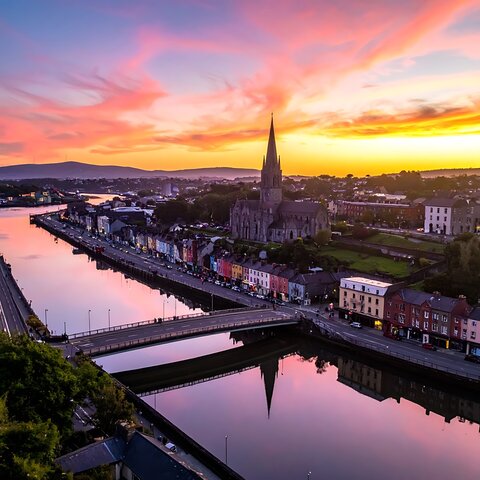
Why Study in Ireland?
Planning to Study in Ireland? Ireland offers internationally recognised higher education, English-language study options, diverse courses and opportunities for students from around the world.
Internationally Recognised Education
Irish higher education institutions offer qualifications that are recognised internationally, with a strong focus on academic quality, research and innovation.
English-Language Study Environment
Ireland provides an English-speaking academic environment, making it an attractive destination for international students who want to study and develop their professional communication skills in English.
Wide Range of Courses
Students can choose from programmes across business, engineering, technology, science, arts, humanities, healthcare and many other academic disciplines.
Strong Industry Connections
Ireland has strong connections between higher education and industry, giving students opportunities to develop practical knowledge and professional skills.
European Study Experience
Ireland is an English-speaking country in the European Union, offering international students the opportunity to experience education and student life in Europe.
Graduate Opportunities
Eligible graduates may be able to remain in Ireland under the Third Level Graduate Programme to seek graduate-level employment, subject to immigration requirements.
Part-Time Work Options
Eligible international students holding the appropriate Stamp 2 permission may work within the limits established by Irish immigration rules.
Supportive Student Environment
Ireland provides a welcoming environment for international learners, with universities and colleges offering services to support academic and student life.
What Happens After Graduation?
For eligible graduates, Ireland's Third Level Graduate Programme may provide a period of permission to remain in the country and seek graduate-level employment. Level 8 graduates may qualify for up to 12 months, while eligible Level 9 or above graduates may qualify for up to 24 months, subject to the applicable conditions.
Study in Ireland can be an option for international students looking for recognised qualifications, English-language education and opportunities to develop academic and professional skills.
Information is based on official guidance from Education in Ireland and Immigration Service Delivery .
Tuition Fees in Ireland
Understanding tuition costs is an important part of planning to Study in Ireland. Fees vary according to the institution, programme and subject area, so students should always confirm the final fee directly with their chosen university or college.
Undergraduate Tuition Fees
2025/26 indicative fees for non-EU students
Postgraduate Tuition Fees
2025/26 indicative fees for non-EU students
Tuition Fees Can Vary by Institution
The figures above are official 2025/26 indicative ranges published by Education in Ireland for non-EU students. Actual fees can differ between institutions and individual programmes. Always check the university or college website before applying or making financial arrangements.
When planning to Study in Ireland, remember that tuition is only one part of the overall budget. Students should also consider accommodation, living expenses, health insurance, travel and other study-related costs.
Scholarships May Help Reduce Education Costs
Ireland offers scholarship opportunities through universities, colleges and other organisations. Eligibility, award amounts and application deadlines vary, so students should check the official scholarship information provided by each institution.
Fee ranges are based on the official Education in Ireland Undergraduate Tuition Fees and Postgraduate Tuition Fees pages.
Cost of Living in Ireland
Planning to Study in Ireland means budgeting for accommodation, food, transport, utilities and other everyday expenses. Your actual spending can vary depending on your city, accommodation choice and personal lifestyle.
Accommodation
Accommodation is usually one of the largest student expenses. Options can include university residences, private rentals, shared accommodation and host families.
Major Budget ItemFood & Groceries
Food costs depend on shopping habits and whether you cook regularly or eat outside. Preparing meals at home can help students manage their monthly budget.
Monthly ExpenseTransport
Transport expenses vary by location and travel frequency. Students can use public transport and may have access to student travel discounts.
Location DependentUtilities & Bills
Depending on the accommodation, students may need to budget separately for electricity, heating, internet and other household expenses.
Check Your RentalPersonal Expenses
Clothing, mobile phone costs, study materials, personal care and other everyday purchases should also be included in a realistic student budget.
Lifestyle BasedLeisure & Activities
Students may also spend money on social activities, entertainment, sports, travel and exploring Ireland. Setting a monthly limit can help control discretionary spending.
Optional SpendingOfficial Financial Requirement for Students
For courses lasting more than 8 months, Irish Immigration guidance currently requires students to demonstrate access to at least €10,000 for living expenses for the initial period of study. For courses resulting in a stay of 8 months or less, the requirement is €833 per month, or €6,665 in total, whichever is less.
Important: Financial Requirement ≠ Exact Living Cost
The €10,000 figure is an immigration financial requirement used to demonstrate that a student has sufficient funds. It should not be treated as a guaranteed or universal monthly spending budget. Actual living costs can be higher or lower depending on accommodation, city and lifestyle.
Your Location Can Affect Your Budget
Accommodation and everyday expenses can differ considerably between locations. Before choosing a university, compare accommodation availability, rent, transport and other recurring expenses in the city where you plan to live.
When you Study in Ireland, creating a realistic budget before arrival can help you understand your expected education and everyday expenses more clearly.
📋 Student Budget Checklist
Financial requirements are based on official Immigration Service Delivery guidance.Accommodation information is available from Education in Ireland .
Visa Requirements for Ireland
If you are planning to Study in Ireland and your nationality requires a visa, understanding the immigration process and preparing the required documents in advance can make your application easier to organise.
Which Irish Study Visa Do You Need?
If you are a visa-required national and your study stay will be more than 90 days, you must apply for a Long Stay 'D' visa before travelling to Ireland. For stays of less than 90 days, different short-stay rules apply.
Valid Passport
Your current passport is required as part of the visa application. Irish Immigration guidance also requires relevant passport documentation and copies of previous passports where applicable.
Letter of Acceptance
You need documentation confirming your acceptance or enrolment on the course. The course and institution must meet the applicable Irish immigration requirements.
Proof of Fee Payment
Evidence of payment of course fees is part of the supporting documentation for a long-term study visa application, where applicable.
Evidence of Finances
Visa-required students must demonstrate access to sufficient funds to support themselves in Ireland without relying on casual employment or public funds.
Private Medical Insurance
Non-EEA students coming to Ireland for study are required to have private medical insurance covering relevant medical and hospitalisation needs.
English or Irish Language Evidence
Evidence of English or Irish language ability may be required for immigration purposes. Education providers can also set their own language requirements.
Evidence of Academic Ability
Applicants may need to provide evidence showing that they have the academic ability required for the course they intend to undertake.
Application Letter & Supporting Documents
The long-stay study visa application requires a signed application summary and supporting documentation. Missing required documents can affect the application.
Financial Requirement
For academic courses beginning after 1 July 2023, visa-required students must show immediate access to at least €10,000 for a course resulting in a stay of more than 8 months. Students must also demonstrate access to the required funds for subsequent years, in addition to course fees.
When Should You Apply?
Visa-required students can apply for a visa up to 3 months before their intended date of travel. Irish Immigration advises students to apply as soon as possible after accepting their place of study.
Before you Study in Ireland, check the official Irish Immigration requirements that apply to your nationality, course duration and individual circumstances.
A Simple Preparation Checklist
Important: Visa Approval Is Not Automatic
Meeting the listed requirements does not by itself guarantee that a visa will be granted. Irish Immigration assesses each application according to the applicable rules and supporting evidence. Always use the official immigration guidance for the latest requirements.
Visa requirements are based on official guidance from Immigration Service Delivery .English-language information is also available from Education in Ireland .
Top Universities in Ireland
Choosing the right institution is an important part of planning to Study in Ireland. Ireland has a diverse higher education system, including universities and technological universities offering programmes across many academic fields.
Trinity College Dublin
Trinity College Dublin was established in 1592 and is Ireland's oldest university. It offers undergraduate and postgraduate study across areas including arts and humanities, business, law, engineering, science and health sciences.
Visit Official Website →University College Dublin
University College Dublin (UCD) is Ireland's largest university and has a highly international student community. It offers programmes across a broad range of academic disciplines and has a major campus in Belfield, Dublin.
Visit Official Website →University College Cork
University College Cork (UCC) is a major Irish university based in Cork. It provides teaching and research across a wide range of subjects and is part of Ireland's publicly funded higher education system.
Visit Official Website →University of Galway
The University of Galway was founded in 1845 and provides teaching and research across sciences, social sciences and humanities. The university also has a substantial international student community.
Visit Official Website →Dublin City University
Dublin City University (DCU) is one of Ireland's universities and offers programmes across a range of academic areas. Its location in Dublin also places students close to a major centre for business, technology and professional activity.
Visit Official Website →University of Limerick
The University of Limerick is a publicly funded university located in the Mid-West region of Ireland. It offers undergraduate and postgraduate programmes across multiple disciplines.
Visit Official Website →How Should You Choose a University?
There is no single university that is right for every international student. Compare the specific course, entry requirements, tuition fees, location, accommodation, student support, facilities and career-related opportunities before making your decision.
If you want to Study in Ireland, compare universities according to your chosen subject and personal priorities rather than selecting an institution only because of its name or ranking.
🔎 What to Check Before Applying
Institution information is based on the official Higher Education Authority and Education in Ireland resources.
Post-Study Work Opportunities in Ireland
International graduates who study in Ireland may be able to remain in Ireland after completing an eligible qualification under the Third Level Graduate Programme. The permission is intended to give eligible graduates time to look for suitable employment and, where applicable, move into an employment-permit route.
🇮🇪 Third Level Graduate Programme
Graduates who meet the programme conditions may receive Stamp 1G permission. A Level 8 graduate may receive up to 12 months, while eligible graduates who complete a Level 9 or higher award may receive an additional 12 months, subject to the applicable conditions.
Level 8 Graduates
Eligible graduates with a Level 8 award may receive Stamp 1G permission for up to 12 months, subject to programme conditions.
Level 9+ Graduates
Eligible graduates completing a master's degree or another qualifying Level 9+ award may receive a further 12 months, subject to the relevant conditions.
Full-Time Employment
During Stamp 1G, eligible graduates can work full-time in accordance with Irish employment law. However, this permission does not allow graduates to operate a business or be self-employed.
Moving to an Employment Permit
If a graduate wants to continue working after Stamp 1G expires, they generally need to secure employment that qualifies for an employment permit and follow the relevant application process.
Critical Skills Route
Certain highly skilled occupations may qualify for a Critical Skills Employment Permit. Eligibility depends on the occupation, qualifications, remuneration and other requirements in force when the application is made.
General Employment Permit
Depending on the occupation and other eligibility conditions, graduates may also explore the General Employment Permit route for continued employment in Ireland.
📌 A Possible Graduate Career Pathway
Important: Post-study permission is subject to eligibility and immigration conditions. A graduate permission does not automatically provide permanent residence. Any longer-term employment or residence option depends on the immigration permission and employment-permit rules applicable at that time.
Official Irish Government Sources
Third Level Graduate Programme Immigration Permission & Stamp 1G Critical Skills Employment PermitFor international students planning to Study in Ireland, understanding the graduate permission and employment-permit system can help with long-term career planning.
Scholarships for Study in Ireland
International students planning to study in Ireland can explore scholarships offered by the Irish government, higher education institutions, research organisations and other funding bodies. Scholarship availability, eligibility and deadlines vary by programme and institution.
🇮🇪 Government of Ireland International Education Scholarship
The Government of Ireland International Education Scholarship (GOI-IES) is managed by the Higher Education Authority (HEA) and supports high-calibre international students undertaking eligible full-time study at NFQ Level 9 or Level 10.
Awarded annually under the programme
For one year of full-time study
Host HEI provides a full fee waiver for the scholarship year
University Scholarships
Irish higher education institutions may offer their own scholarships, fee reductions or awards for international students. Availability and selection criteria are determined by each institution and programme.
Research Funding
Students interested in research degrees can also investigate funding opportunities connected with Irish research organisations and individual higher education institutions.
Erasmus+ Opportunities
Erasmus+ can provide funding opportunities for eligible mobility and exchange activities. The applicable programme, institution and mobility rules should be checked before applying.
Other Funding Sources
Depending on your course and background, additional funding may be available through institutional awards, research funding or other recognised scholarship schemes.
📌 GOI-IES Eligibility at a Glance
- Applicants must have a domiciliary of origin outside the EU/EEA, Switzerland and the United Kingdom.
- Applicants must have an offer for an eligible full-time, in-person programme at an eligible Irish higher education institution.
- Eligible programmes include qualifying taught master's, postgraduate diploma and research programmes at NFQ Level 9 or Level 10.
- Applicants must meet the specific requirements and documentation conditions in the relevant scholarship call.
📝 Scholarship Application Checklist
Important: Scholarship funding is not automatic. Each scholarship has its own eligibility requirements, application process, selection criteria and deadline. The 2026 GOI-IES application call is currently closed, so students should check the official HEA page for the next call and updated dates.
Official Scholarship & Education Sources
Government of Ireland Scholarship Education in Ireland Irish Higher Education InstitutionsExploring scholarships early can help international students plan the financial side of their Study in Ireland journey more effectively.
PR & Long-Term Residence Pathway after Studying in Ireland
International students who study in Ireland may later explore employment-based immigration options after graduation. Ireland does not automatically grant permanent residence after completing a degree; graduates generally need to qualify for an appropriate employment and immigration route.
🇮🇪 How the Graduate-to-Residence Pathway Can Work
A common route can involve completing an eligible Irish qualification, using graduate immigration permission where eligible, securing qualifying employment and then moving to an employment-based immigration permission. The exact route depends on the graduate's occupation, employment permit, immigration history and the rules in force at the time.
1. Complete Your Qualification
Complete an eligible higher-education programme and, where applicable, use the Third Level Graduate Programme to seek suitable employment in Ireland.
2. Secure Qualifying Employment
Depending on the occupation and employment conditions, a graduate may pursue a Critical Skills Employment Permit or a General Employment Permit.
3. Critical Skills Route
Eligible Critical Skills Employment Permit holders may be able to move to Stamp 4 after meeting the applicable qualifying employment period and other conditions.
4. General Employment Route
General Employment Permit holders may also become eligible for Stamp 4 after the applicable qualifying period, subject to the relevant immigration requirements.
⏱️ Stamp 4 Eligibility Timeline
Critical Skills Employment Permit
Current ISD guidance states that eligible employees may qualify for a Stamp 4 upgrade after 21 months from commencement of employment on the basis of a Critical Skills Employment Permit.
General Employment Permit
Current ISD guidance states that eligible General Employment Permit holders may qualify for a Stamp 4 upgrade after 57 months from commencement of employment.
🏠 Long-Term Residence in Ireland
Long Term Residence is a separate immigration permission from Stamp 4. Current Irish Immigration guidance states that qualifying employment-permit holders may apply after 60 months of qualifying legal residence, provided they meet the other conditions of the scheme.
The time spent studying should not be treated as an automatic route to long-term residence. Students and graduates should check which immigration permissions count toward the particular residence scheme.
⚠️ Stamp 4 Is Not the Same as Permanent Residence
Stamp 4 allows eligible holders to live and work in Ireland without an employment permit, subject to its conditions. It should not be described as automatic permanent residence or automatic citizenship. Long Term Residence and Irish citizenship by naturalisation are separate legal processes with their own requirements.
📌 A Possible Graduate Immigration Journey
Study in Ireland
Graduate Permission
Qualifying Employment
Employment Permit
Stamp 4 / Long-Term Residence
Official Irish Immigration & Employment Sources
Stamp 4 Upgrade Rules Long Term Residence Critical Skills Employment Permit General Employment PermitFor international students planning to Study in Ireland, understanding the difference between graduate permission, employment permits, Stamp 4 and Long Term Residence is important for realistic long-term planning.
Student Life in Ireland
For international students who study in Ireland 🇮🇪, student life extends beyond the classroom. Universities and higher education institutions provide opportunities to participate in clubs, societies, sports, student engagement activities and support services while students also experience everyday Irish culture and community life.
Clubs & Societies
Student clubs and societies can provide opportunities to meet people, develop interests and participate in activities beyond academic study. Irish higher education institutions actively support student engagement.
Sports & Activities
Sports clubs and other campus activities are an important part of student engagement. Participation can help students build friendships and become more involved in campus life.
Student Community
Student engagement and belonging are recognised areas within Irish higher education. Institutions provide different services and opportunities designed to help students participate in university life.
Irish Culture & Community
International students can experience Irish culture, local communities, traditions and everyday life while studying. Education in Ireland highlights Irish hospitality as an important part of adapting to life in the country.
Part-Time Work
Eligible non-EEA students holding valid Stamp 2 permission may work up to 20 hours per week during term time and up to 40 hours per week during specified holiday periods.
Career & Student Support
Higher education institutions can provide learning support, career development services, wellbeing initiatives and other student services. The exact support available varies by institution.
🌍 Everyday Student Experience
Plan housing early because student accommodation can be in high demand.
Explore local transport and travel options available around your institution.
Check the health insurance and student wellbeing services relevant to your situation.
Explore local communities, cultural activities and student events.
💡 Get Involved in Campus Life
The Higher Education Authority's work on student engagement and belonging highlights the importance of student participation, campus communities and opportunities to contribute to higher education life. Clubs, societies, wellbeing services and social spaces can all contribute to a stronger sense of belonging.
⚠️ Important: Working While Studying
Students should not depend on casual employment as their primary source of financial support. Irish Immigration requires students to demonstrate sufficient funds for their stay. The 20-hour and 40-hour work limits apply to eligible students with the relevant immigration permission and conditions.
Official Irish Student Life & Immigration Sources
Living in Ireland Student Stamp 2 Conditions HEA Student Engagement Healthy CampusA balanced approach to academics, campus activities, work and everyday life can make your Study in Ireland experience more meaningful and well-rounded.
Intakes & Deadlines for Study in Ireland
If you plan to Study in Ireland 🇮🇪, it is important to understand that intake dates and application deadlines vary by university, course and level of study. September is a major entry period for many full-time programmes, while some institutions and programmes also offer January or other start dates.
September Intake
September is a major entry point for international students and many undergraduate and postgraduate programmes begin during this period.
January Intake
Some Irish institutions offer January starts, but the availability of programmes can be more limited than the September intake. Always check the specific course page.
Other Start Dates
Certain research, pathway, professional or specialised programmes may have different registration or start dates. These should be checked directly with the institution.
📌 Why Irish University Deadlines Can Differ
Each institution can set its own application schedule.
Different courses can have different closing dates.
International and EU application routes may differ.
Visa-required students need additional time for immigration procedures.
📅 Examples of University Application Deadlines
| Institution | Entry | Example Deadline | Important Note |
|---|---|---|---|
| Trinity College Dublin | September | 30 June for most non-EU undergraduate applications | Some courses have earlier deadlines. |
| University College Dublin | September | 15 July for 2026 international undergraduate applications | Some programmes may close earlier. |
These are examples from official university information and should not be treated as a universal deadline for every Irish institution or course. Always check the current programme page before applying.
🗓️ Suggested Application Planning Timeline
Compare courses and check entry requirements.
Confirm the deadline on the official course page.
Arrange transcripts, English evidence and other documents.
Allow enough time for admission and visa processes.
⚠️ Don't Wait Until the Deadline
Students who need an Irish study visa should allow additional time after receiving an eligible offer. Irish Immigration guidance states that visa applications can generally be made up to three months before the intended travel date, so admission, tuition payment, documentation and visa planning should be coordinated carefully.
Official Ireland Admission & Immigration Sources
Education in Ireland Trinity Application Dates Student Immigration TimelineStart researching well before your intended intake and always verify the latest programme-specific deadline before submitting your Study in Ireland application.
Cultural Life & Festivals in Ireland
When you study in Ireland 🇮🇪, your experience can extend beyond the classroom into a cultural environment shaped by music, dance, storytelling, arts, heritage and community activities. International students can explore these aspects of Irish life through campus activities and events in the wider community.
Music & Traditional Arts
Music is an important part of Ireland's cultural heritage. Students can encounter traditional music, contemporary performances and other creative activities through events and local communities.
Dance & Performing Arts
Dance and other performing arts form part of Ireland's living cultural heritage. Local events and creative programmes provide opportunities to experience different forms of performance.
Theatre, Arts & Creativity
Ireland has an active arts and creative sector covering theatre, visual arts, literature, film, workshops and other creative activities. Students can find events through universities and local cultural organisations.
Heritage & Traditions
Ireland's living cultural heritage includes oral traditions, social practices, festive events, traditional craftsmanship and performing arts. These traditions can be explored across communities throughout the country.
Festivals & Community Events
Cultural events take place across Ireland throughout the year. Creative Ireland's national events programme includes activities covering music, arts, storytelling, heritage, performance and community creativity.
International Student Experience
International students can participate in campus clubs, societies and events while also exploring local communities. Education in Ireland encourages students to engage with activities as part of adapting to life in Ireland.
🍀 Ireland's Living Cultural Heritage
Ireland's National Inventory of Intangible Cultural Heritage recognises and promotes living cultural practices across the country. Its categories include oral traditions and expressions, social practices and festive events, traditional craftsmanship, performing arts, and knowledge and practices concerning nature.
🎪 Examples of Cultural Events
Culture Night
A nationwide celebration featuring cultural activities including music, dance, storytelling, heritage and other creative events.
Local Arts Festivals
Cities, towns and local authorities host arts and cultural programmes throughout the year, with activities varying by location and date.
Creative Ireland Events
Creative Ireland supports cultural and creative programmes across local communities, providing a useful way to discover events in different parts of Ireland.
🤝 How Students Can Experience Irish Culture
Official Irish Culture & Education Sources
Education in Ireland National Cultural Heritage Cultural Events in Ireland Creative IrelandExploring Ireland's music, arts, heritage and community activities can add an important cultural dimension to your Study in Ireland experience.
Safety & Support for Students in Ireland
Students who study in Ireland 🇮🇪 can access a range of institutional and national support systems covering health, wellbeing, student services and immigration-related requirements. The exact services available can vary between higher education institutions.
Campus Safety & Support
Universities and higher education institutions provide different student services and support structures. Students should familiarise themselves with their institution's campus safety procedures and emergency contacts after arrival.
Health & Wellbeing
The Higher Education Authority has a national strategy focused on student and staff health and wellbeing, supporting higher education institutions in developing healthy and supportive learning environments.
Medical Insurance
Non-EEA students coming to Ireland for study are required to have private medical insurance that provides appropriate cover, including hospitalisation, in accordance with Irish immigration requirements.
Student Services
Institutions may provide services relating to academic support, wellbeing, careers, disability support, student engagement and other aspects of student life. Availability varies by institution.
Support for International Students
International students can use university international offices and other student services for guidance on settling into campus life, academic processes and practical matters.
Emergency Assistance
In an emergency in Ireland, the national emergency services can be contacted through 112 or 999. Students should also save their institution's emergency and security contact details.
💚 Student Health & Wellbeing in Higher Education
The Higher Education Authority's Strategy for Student and Staff Health & Wellbeing provides a national framework for supporting health, positive mental health and wellbeing across Ireland's higher education institutions. It aims to help create learning environments where students can access timely and appropriate support.
📋 Practical Safety Checklist for International Students
⚠️ Important for Non-EEA Students
Private medical insurance is an immigration requirement for non-EEA students studying in Ireland. Students should check the current Immigration Service Delivery requirements and ensure that their insurance remains valid for the required period.
Official Irish Safety, Health & Student Support Sources
HEA Health & Wellbeing Strategy Student Medical Insurance HEA Health & Wellbeing Official Student FAQsUnderstanding available health, safety and student-support services can help international students feel better prepared for their Study in Ireland journey.
Transportation & Connectivity in Ireland
For international students who are studying in Ireland 🇮🇪, public transport provides several options for travelling around cities, towns and between major destinations. The Transport for Ireland (TFI) network includes bus, rail and tram services, while Irish Rail operates intercity and commuter services across the country.
Bus Services
TFI services include Dublin Bus, Bus Éireann, Go-Ahead Ireland and TFI Local Link. Local and regional bus services connect many urban and rural communities.
Rail & Intercity Travel
Irish Rail provides InterCity and commuter services, with routes connecting Dublin with destinations including Cork, Galway, Limerick, Waterford, Sligo and other locations.
Luas & DART
Students living in Dublin can use the Luas tram network, DART and commuter rail services as part of the city's public transport system.
TFI Leap Card
The TFI Leap Card is a reusable prepaid travel card that can be used across participating bus, rail and Luas services. Student and Young Adult options can provide significant fare savings where eligible.
Digital Travel Options
TFI provides digital options including the TFI Go app for eligible services. Depending on the operator and service, students may also use Leap Card or contactless payment.
Air Connectivity
Ireland has several commercial airports serving international and domestic travel. Students should check the airport and airline serving their particular destination when planning travel.
🎓 Student Travel Savings
Eligible full-time students and Young Adults can access discounted public transport fares with the appropriate TFI Leap Card. TFI currently states that eligible Young Adult and Student Leap Card holders can receive up to 50% off fares with participating operators.
Potential discount with eligible Student/Young Adult Leap Card arrangements
Current Dublin 90-minute Student/Young Adult fare
Current Cork 90-minute Student/Young Adult fare
Fares and eligibility can change. Check the official TFI fare information before budgeting for transport.
📍 Getting Around Dublin
Dublin has an integrated public transport network covering buses, Luas, DART and commuter rail. Within TFI Dublin Zone 1, the current 90-minute fare can cover eligible journeys across participating services, subject to the applicable rules.
🚆 Intercity Connectivity
Irish Rail's current timetable information includes InterCity routes linking Dublin with major destinations such as Cork, Galway, Limerick, Waterford, Sligo and Westport/Ballina, as well as regional connections between other cities and towns.
💡 Practical Transport Tips for Students
- Check your institution's campus and accommodation location before choosing your transport options.
- Compare the cost of individual fares with available student or Young Adult Leap Card options.
- Use official TFI and Irish Rail journey planners for current routes and timetables.
- Allow extra travel time when connecting between different transport services.
- Check current fares before preparing your monthly student budget.
Official Ireland Transport Sources
Transport for Ireland TFI Leap Card Irish Rail Network Current TFI FaresUnderstanding local transport, student fares and intercity connections can make everyday travel easier during your Study in Ireland journey.
Cultural Experience for International Students in Ireland
The Ireland international student experience 🇮🇪 goes beyond academic study. International students can explore Irish traditions, music, heritage, food and local communities while developing a deeper understanding of everyday life in Ireland.
Traditional Music & Dance
Traditional Irish music and dance are important parts of Ireland's cultural heritage. Students can encounter performances and cultural activities through local events, festivals and community programmes.
Irish Traditions & Celebrations
Students can experience Irish cultural celebrations and community events throughout the year. St Patrick's Day is one of the country's best-known national celebrations, with events taking place across Ireland.
History & Heritage
Ireland offers opportunities to explore historic buildings, archaeological sites, museums, castles and other heritage locations. These experiences can help students understand the country's history and cultural development.
Irish Food & Cuisine
International students can discover Irish food traditions through local cafés, restaurants, markets and community events. Regional produce and traditional dishes are part of the country's food culture.
🌍 Explore Irish Culture Beyond the Campus
Living and studying in Ireland gives international students opportunities to experience both campus life and the wider community. Exploring local towns, cultural venues, museums, heritage sites and public events can provide a broader perspective on Irish society.
💡 Ways to Experience Irish Culture
Official Irish Culture & Student Information
Education in Ireland Irish Cultural Heritage Creative IrelandTaking part in local activities and exploring Ireland's heritage can add a valuable cultural dimension to the Ireland international student experience.
Popular Academic Courses in Ireland
Students planning to Study in Ireland can choose from a wide range of undergraduate and postgraduate programmes across business, technology, health, engineering, science, arts and other academic fields.
Business, Management & Finance
Business, Administration & Law is a major field in Irish higher education. Programme options may include Business Management, International Business, Finance, Accounting, Marketing and related subjects.
Computing, ICT & Data
Computing and ICT programmes cover areas such as Software Development, Data Analytics, Artificial Intelligence, Cybersecurity, Information Systems and other digital technology disciplines.
Engineering, Manufacturing & Technology
Engineering-related programmes include Mechanical Engineering, Electrical and Electronic Engineering, Manufacturing, Construction, Computer Engineering and other technical disciplines.
Health & Welfare
Health and welfare programmes include areas such as Nursing, Pharmacy, Public Health, Health Sciences, Social Care and other related disciplines, depending on the institution and programme.
Arts, Humanities & Social Sciences
Students can explore Literature, History, Languages, Media, Psychology, Journalism, Social Sciences, Creative Arts and other humanities-related disciplines.
Science, Mathematics & Research
Science-focused study options include Biotechnology, Biological Sciences, Environmental Science, Physics, Chemistry, Mathematics and other research-oriented subjects.
💡 Choosing the right programme: Course availability, entry requirements, tuition fees, professional requirements and other conditions can vary between institutions and programmes. Always check the official course page of the university or higher education institution before applying.
Official Sources
Pros & Cons of Study in Ireland
Choosing to Study in Ireland can offer access to recognised higher-education programmes, an English-speaking study environment and post-study immigration options for eligible graduates. However, students should also consider costs, accommodation, entry requirements and other practical factors before making a decision.
Potential Advantages
Factors students may value
A wide range of undergraduate and postgraduate programmes across different academic fields.
English is the main language of instruction for many higher-education programmes.
Eligible graduates may have access to the Third Level Graduate Programme after completing qualifying Irish awards.
Strong participation across business, health, engineering, ICT, science, arts and other academic fields.
Ireland's location provides opportunities to experience life and travel within Europe, subject to applicable travel requirements.
Potential Challenges
Factors to consider before applying
Tuition fees and living expenses can represent a significant part of an international student's overall budget.
Accommodation availability and rental costs can be important considerations, particularly when planning to study in larger cities.
Entry requirements, application deadlines and programme availability vary by institution and course.
Ireland has a changeable climate, so students should be prepared for frequent variations in weather.
Post-study immigration permission does not guarantee employment; graduates must meet the relevant conditions and employment-permit requirements for longer-term work.
Make Your Decision Based on Your Own Priorities
Compare your preferred course, total study budget, accommodation options, entry requirements, location and future plans before applying. Conditions can vary by programme and immigration status, so check the latest information from the relevant institution and Irish authorities.
Application Process for Study in Ireland
Planning to Study in Ireland involves several stages, from choosing a suitable programme and checking entry requirements to accepting an offer, arranging accommodation and completing any required immigration formalities.
Research Institutions & Courses
Compare universities and other higher-education institutions, programmes, locations, tuition fees and course structures. Check the official programme page for current information.
Check Entry Requirements
Review academic qualifications, subject requirements and English-language requirements. Individual institutions and programmes may have additional admission criteria.
Prepare Your Documents
Prepare the documents requested by your institution, which may include academic transcripts, proof of English proficiency, identification documents and other programme-specific materials.
Submit Your Application
Apply through the application route specified by your chosen institution or programme. Many Irish institutions accept applications directly through their official websites.
Receive & Review Your Offer
If your application is successful, you may receive an offer. Carefully review whether it is conditional or unconditional and check all conditions and deadlines.
Accept Your Place
Follow the institution's instructions to accept your offer. Where required, pay the specified deposit or fees by the stated deadline to confirm your place.
Arrange Accommodation
Explore university accommodation, private rental or homestay options as applicable. Start early because accommodation availability can be limited.
Complete Visa & Immigration Formalities
If you are a visa-required student, apply for the appropriate Irish study visa through the official AVATS system. For study longer than 90 days, the relevant route is generally a Long Stay 'D' visa.
Prepare for Arrival
Check your travel documents, accommodation details and other arrival requirements. Students staying in Ireland for more than 90 days may also need to complete immigration registration after arrival.
💡 Plan ahead: Application deadlines vary by institution and programme. Visa-required students can generally apply for a long-stay study visa up to 3 months before their intended travel date. Check your institution's deadline and the latest Irish immigration requirements before making arrangements.
Explore More Study Destinations
If you are considering higher education in Ireland, comparing other international study destinations can help you understand differences in courses, tuition fees, living costs, admission requirements, visa rules and post-study options.
Study in the UK
United KingdomExplore universities, degree programmes, tuition fees, student visas, scholarships and post-study options available in the United Kingdom.
Study in Canada
CanadaDiscover Canadian universities and colleges, programme options, tuition costs, admission requirements, study permits and post-study pathways.
Study in Australia
AustraliaCompare Australian universities, courses, tuition fees, student visa requirements, work conditions and options available after graduation.
Study in New Zealand
New ZealandLearn about New Zealand's universities and institutions, academic programmes, tuition fees, student visas, living costs and post-study options.
Compare Before You Choose
Every destination has different admission criteria, programme structures, costs, immigration rules and employment conditions. Compare the factors that matter to you and always verify current requirements with the relevant university and government authorities.
More Study Abroad Guides
Tips for International Students in Ireland
If you are planning to Study in Ireland, preparing for everyday life as well as your academic programme can make your transition easier. These practical tips cover orientation, accommodation, transport, finances, student support and campus life.
Attend Orientation
Take part in your institution's orientation and induction activities. They can help you understand academic services, campus facilities, student support and important university procedures.
Plan Accommodation Early
Research university accommodation and other suitable housing options as early as possible. Check the location, rental terms, deposits and other costs before committing to accommodation.
Learn Local Transport
Familiarise yourself with local bus and rail services. Eligible students and young adults may also be able to use discounted TFI Leap Card fares on participating services.
Organise Your Finances
Keep track of tuition payments, rent, food, transport and other regular expenses. If you need an Irish bank account, check the requirements of the bank you choose and prepare the requested documents.
Join Clubs & Societies
Explore student clubs, societies, sports and campus activities that match your interests. These activities can help you meet other students and become more involved in campus life.
Use Student Support Services
Make use of academic support, international student services, careers guidance, health and wellbeing services and other support available through your institution.
💡 A Simple Student Checklist
Before and after arrival, keep your passport and immigration documents secure, save important university contacts, understand your accommodation arrangements, plan your monthly budget and familiarise yourself with local transport and campus services.
Important: Student work rights, immigration conditions, transport discounts and other benefits can depend on your immigration permission and eligibility. Always check the latest information with the relevant Irish authority, transport provider or your institution.
Popular Student Discounts & Benefits in Ireland
When you Study in Ireland, student cards and recognised discount programmes can provide savings on transport and selected services, attractions, food and shopping. Availability and discount levels vary by provider, location and eligibility.
Student Transport Discounts
Eligible full-time students can use a Student Leap Card for discounted public transport fares. TFI also provides Student and Young Adult fare products across participating bus, rail and Luas services.
Travel & Attraction Savings
An International Student Identity Card (ISIC) can provide access to discounts on selected travel services, museums, cultural attractions and other participating businesses in Ireland and internationally.
Food & Dining Offers
Student and ISIC-related offers may be available at participating cafés, restaurants and food businesses. Discounts are provider-specific, so check the individual offer before making a purchase.
Shopping & Everyday Offers
Participating retailers and services may offer student or ISIC discounts on selected products and services. Availability can change, so check the current terms of each offer.
Museums & Cultural Activities
Students may find reduced admission or other offers for museums, cultural sites, attractions and events. Always check the venue's current student eligibility and pricing.
Campus-Based Benefits
Universities and colleges may provide their own student benefits through student unions, campus facilities, clubs, societies and partner businesses. Check your institution for current offers.
🚆 Transport Highlight
TFI currently states that Young Adult and Student Leap Card holders can receive up to 50% off on eligible public transport fares, depending on the service and applicable fare rules. In Dublin, the current TFI 90-minute fare for Young Adult/Student Leap Card holders is €1.00.
💡 Student tip: Keep your valid student identification available when using student discounts. Eligibility rules differ between providers, and some offers require a specific Student Leap Card or ISIC card rather than a general college ID.
Official Resources
Transport for Ireland – Leap Card | Education in Ireland – ISIC | TFI 90 Minute Fare
Accommodation Options in Ireland
Finding suitable accommodation is an important part of your Study in Ireland journey. International students can consider university accommodation, private rentals and homestay arrangements, depending on availability, location, budget and personal preferences.
On-Campus Student Residences
Many Irish institutions offer student residences, often located close to academic facilities. Rooms may be part of shared apartments with communal kitchen, living and bathroom facilities.
Private Rental Accommodation
Students looking for greater independence can consider privately rented apartments, houses or shared accommodation. Review the rental agreement, deposit, monthly rent and other costs carefully before signing.
Homestay with a Host Family
Homestay accommodation allows students to live with a host family. It can provide a supportive living environment and an opportunity to experience everyday life in an Irish household.
Shared Student Housing
Shared accommodation can involve renting a room while sharing common areas with other students or tenants. Before agreeing to a property, check the room, facilities, rental terms and overall monthly expenses.
💡 Plan Your Accommodation Early
Accommodation availability can be limited, particularly around the start of the academic year. Start your search early, check your institution's accommodation office, compare locations and transport connections, and make sure the total cost fits your budget.
🔎 What to Check Before Renting
Budget note: Accommodation costs vary according to location, property type, room arrangement and other factors. Include rent, deposits, utilities, transport and other housing-related expenses when preparing your student budget.
Popular Student Cities in Ireland
When you plan to Study in Ireland, your city can influence your choice of institution, accommodation, transport and everyday student life. Dublin, Cork, Galway and Limerick are among the cities with established higher-education options for international students.
Dublin
Capital CityDublin has a large concentration of higher-education institutions, including Trinity College Dublin, University College Dublin and Dublin City University. Students can also access a wide range of public transport services across the capital.
Cork
Southern IrelandCork is home to institutions including University College Cork and offers a range of academic and student-life options. The city also has local bus services and connections to other parts of Ireland.
Galway
West of IrelandGalway is home to the University of Galway and has a strong cultural and student-oriented environment. The city is also connected to other parts of Ireland through public transport services.
Limerick
Mid-West IrelandLimerick is home to the University of Limerick and other higher-education options. Students can also access local bus services and transport connections to other Irish cities.
💡 How to Choose Your Student City
Compare your preferred institution, course availability, tuition fees, accommodation, transport, living costs and access to student services. The most suitable city will depend on your programme and personal circumstances rather than on a single city ranking.
Part-Time Work Opportunities in Ireland
International students with the appropriate Stamp 2 permission may work part-time in Ireland subject to immigration conditions. Part-time employment can provide work experience, but students must have sufficient funds to support their stay without relying on casual employment.
Working Hours
Students with valid Stamp 2 permission may work up to 20 hours per week during term time. The permitted limit increases to 40 hours per week during June, July, August and September, and from 15 December to 15 January.
Common Part-Time Roles
Depending on their skills and availability, students may find opportunities in areas such as retail, hospitality, customer service, administration and other casual employment.
Minimum Wage
From 1 January 2026, Ireland's national minimum wage is €14.15 per hour. Actual pay can vary by age, employment conditions, sector and applicable employment regulations.
Employment Rights
Student workers are covered by applicable Irish employment law. Pay, working conditions and other employment rights must comply with the relevant legal requirements.
Internships & Placements
Certain eligible higher-education students may undertake internships or placements that form an integral part of their academic programme, subject to the applicable conditions.
Balance Work & Study
Part-time employment should fit around your academic commitments. Keep track of working hours and make sure your employment remains within the conditions attached to your immigration permission.
💡 Important for International Students
The right to work depends on your immigration permission. A valid Stamp 2 permission allows eligible students to work within the stated limits, but students must not rely on casual employment to meet the financial requirements for their stay. Always check the latest conditions attached to your permission before starting work.
Student Perspectives on Study in Ireland
Students choosing to Study in Ireland may have different experiences depending on their course, institution, location and personal goals. These perspectives highlight some of the areas international students may consider when planning their education journey.
Academic & International Experience
Irish higher-education institutions offer programmes across a wide range of academic fields, giving international students opportunities to study alongside people from different backgrounds.
Courses & Career Preparation
Students can explore programmes in areas such as business, ICT, engineering, health, science, arts and other disciplines while developing academic and professional skills.
Culture & Student Community
International students can take part in campus clubs, societies and cultural activities while experiencing everyday life in Ireland and meeting students from different countries.
Post-Study Options
Eligible graduates may have access to post-study immigration options, subject to the requirements and conditions of the relevant Irish immigration programme.
Editorial note: The information above describes general student considerations and is not presented as verified testimonials from named individuals. If you have genuine student testimonials, you can replace these sections with the student's consented words and appropriate attribution.
Explore the full Ireland guide to compare courses, costs, visas, student life and post-study options.
View Application Process →Official Reference: Education in Ireland – Living in Ireland
Frequently Asked Questions About Study in Ireland
Find clear answers to common questions about courses, admission, tuition fees, visas, student work rights, accommodation and post-study options in Ireland.
1. Why should international students consider studying in Ireland?
2. What types of courses can international students study in Ireland?
3. How much does it cost to study in Ireland?
4. Do international students need a visa to study in Ireland?
5. What is Stamp 2 for international students in Ireland?
6. Can international students work part-time while studying in Ireland?
7. What accommodation options are available for students in Ireland?
8. What documents are generally required to apply to an Irish university or college?
9. When should students apply to study in Ireland?
10. Can international students stay in Ireland after graduation?
11. Can students get permanent residence in Ireland after studying?
12. Is private health insurance required for international students in Ireland?
13. Can international students bring their family members to Ireland?
14. What should students check before choosing a course in Ireland?
Important: Immigration rules, programme eligibility, fees and application deadlines can change. Always verify the latest requirements with the relevant Irish institution and official Irish government sources before making an application or travel decision.
Ready to plan your studies? Explore the Ireland application process and understand the key steps before applying.
Explore Application Process →Official Sources: Irish Immigration – Student FAQs | Education in Ireland
Understand Study in Ireland Information Before Making Decisions 📢
Before using Study Silently, students should understand that our Study in Ireland content is provided for general educational and informational purposes. University admission requirements, tuition fees, scholarships, accommodation, visa and immigration rules, financial requirements, health insurance, student work conditions, post-study options and other study-abroad requirements can change over time and may vary by institution, programme, course level, nationality and individual circumstances.Always verify important information with the relevant university or education provider and official Irish authorities before making study, financial, visa, immigration or travel decisions.
📥 Download Study Abroad Starter ChecklistYou can also explore important Study Silently informational pages below:
🇮🇪 Official Ireland Resources:
Education in Ireland | Irish Immigration – Coming to Study in Ireland
Important: Study Silently does not provide immigration, legal, financial or university admission advice. Information should be independently verified with the relevant institution and official Irish authorities before you make a decision.
Stay Updated With Study in Ireland Guidance
Get practical Study in Ireland updates, scholarship information, student visa guidance, university resources and useful tips to help international students plan and prepare for studying in Ireland.
📩 Join the Study in Ireland Community
Get useful Study in Ireland guidance and updates for international students.