Study in Australia 🇦🇺
Explore world-class universities, diverse student life, and exciting academic opportunities in Australia.
Start your journey to Study in Australia and build a global career.
Colleges, Courses, Fees & Visa – Complete Guide
Complete roadmap for international students: admissions, cost of study, scholarships, part-time work & post-study visas

📚 What you’ll learn in this video
- Top Australian universities & TAFE colleges by field (IT, Business, Engineering, Healthcare).
- Expected tuition fees & living costs (city-wise) + ways to reduce expenses.
- Scholarships and intake timelines (Feb/July) with a sample checklist.
- How to apply for an Australian Student Visa (subclass 500) – essentials & common mistakes.
- Part-time work limits, minimum wage basics, and post-study work rights.
Quick Facts – Australia for International Students
- Major student cities: Sydney, Melbourne, Brisbane, Perth, Adelaide
- Popular courses: CS, Cybersecurity, Data, Civil/Mechanical, Nursing, MBA
- Intakes: February & July (some courses in November)
This video explains the complete Study in Australia pathway—choose the right university & course, estimate costs, find scholarships, and navigate the student visa process.
⏱️ Suggested Timestamps
- 00:00 Overview & Study Levels
- 01:40 Universities vs. TAFE
- 04:05 Fees, Living & Budget Tips
- 07:10 Scholarships & Intakes
- 10:20 Visa (Subclass 500) Checklist
- 13:45 Part-time & Post-study Work
If you are exploring other study destinations, check our detailed guides on Study in Canada, Study in UK, and Study in New Zealand.

Tuition Fees to Study in Australia 🇦🇺
Get a clear idea of the average tuition fees across different levels of education when you study in Australia.
- Bachelor’s Degree in Australia: AUD $20,000 – $45,000 per year for international students who study in Australia.
- Master’s Degree in Australia: AUD $22,000 – $50,000 per year depending on university and course of study.
- Doctoral Degree (PhD) in Australia: AUD $18,000 – $42,000 per year, ideal for those planning to study in Australia for research.
- Vocational Education (TAFE/Diploma): AUD $4,000 – $22,000 per year for skill-based training when you study in Australia.
- Medicine or Veterinary Studies in Australia: AUD $55,000 – $70,000 per year for advanced professional degrees.
- Engineering Programs in Australia: AUD $30,000 – $45,000 per year for international students aiming to study in Australia.
- Business and Management Courses: AUD $25,000 – $48,000 per year to study in Australia at top-ranked business schools.
- Information Technology (IT) Courses: AUD $20,000 – $40,000 per year for those who study in Australia in tech fields.
- Arts and Humanities Programs: AUD $18,000 – $35,000 per year for creative students planning to study in Australia.
- Law and Legal Studies in Australia: AUD $28,000 – $50,000 per year for international students pursuing higher studies.
If you're planning to study in Australia in future, understanding the average tuition fees across different programs is essential for budgeting your education effectively.

Popular Courses in Australia ⭐
If you're planning to study in Australia, it's essential to explore the trending and in-demand courses. These programs offer excellent job opportunities and potential PR pathways for international students:
- Information Technology (IT) & Computer Science: A top option to study in Australia for software, cybersecurity, and cloud careers.
- Engineering (Civil, Mechanical, Electrical): Industry-aligned labs and internships across Australian universities.
- Health & Nursing: Clinical placements and strong employability for those who study in Australia in healthcare.
- Business & Management: MBA and specialized masters with exposure to Australia’s global business hubs.
- Hospitality & Tourism: Practical training in a world-class tourism economy—great for international students.
- Data Science & Artificial Intelligence: Future-ready programs to study in Australia for analytics, ML, and AI roles.
- Education & Teaching: Teacher-training with classroom practicums and clear registration pathways.
- Accounting & Finance: CPA/CA aligned curricula ideal for students who study in Australia for global careers.
- Architecture & Construction Management: Design studios and project-based learning across Australian cities.
- Environmental Science & Renewable Energy: Sustainable tech focus—another smart choice to study in Australia.
Tip: Shortlist 2–3 universities per course and compare entry requirements, fees, and scholarships before you study in Australia.
Top Australian Universities 🎓
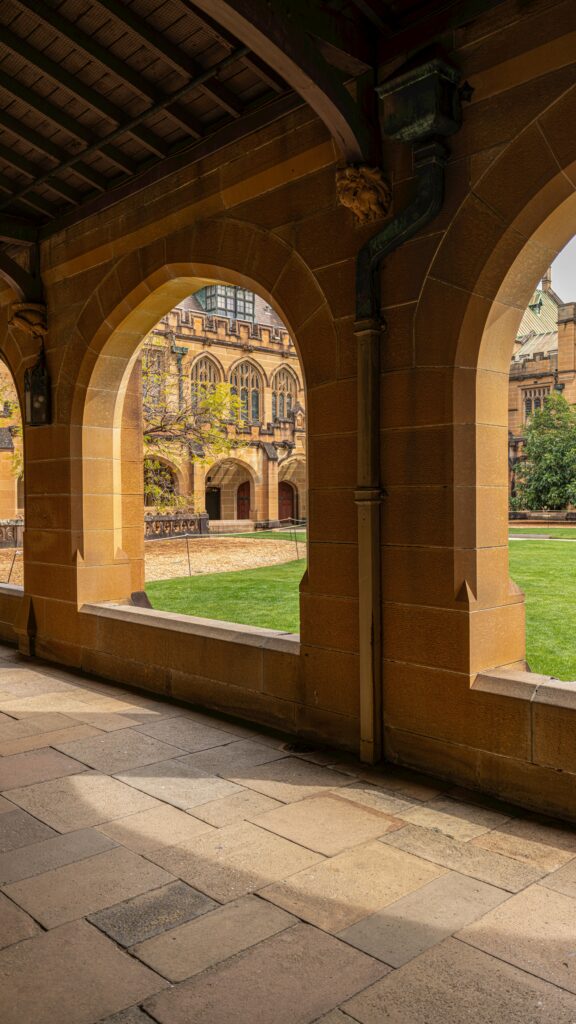
Here’s a detailed list of the top and most reputed universities in Australia, recognized globally for quality education, innovation, and student experience:
- University of Melbourne – Visit Website
One of Australia’s oldest and most prestigious universities, known for world-class research and a beautiful campus atmosphere. - University of Sydney – Visit Website
Offers excellent programs in arts, medicine, and law. The campus architecture and global alumni network make it stand out. - Australian National University (ANU) – Visit Website
Renowned for research excellence and policy studies, located in the heart of Canberra with a focus on innovation and leadership. - University of Queensland (UQ) – Visit Website
Globally recognized for science, business, and engineering programs. UQ promotes hands-on learning and global opportunities. - Monash University – Visit Website
One of Australia’s leading research universities, famous for innovation, medicine, and international partnerships. - University of New South Wales (UNSW Sydney) – Visit Website
Known for engineering, business, and law. Offers strong links with industries and focuses on future-ready skills. - University of Adelaide – Visit Website
A member of the prestigious Group of Eight, excelling in agriculture, technology, and health sciences. - University of Western Australia (UWA) – Visit Website
Located in Perth, UWA combines beautiful architecture with strong programs in engineering, business, and marine biology. - University of Technology Sydney (UTS) – Visit Website
A dynamic university in the heart of Sydney, offering future-focused education with strong ties to global industries. - Macquarie University – Visit Website
Famous for business, health, and media programs, Macquarie has a modern campus with state-of-the-art learning spaces. - RMIT University (Melbourne) – Visit Website
Offers top programs in design, architecture, and technology. Strong emphasis on creativity and real-world skills. - Queensland University of Technology (QUT) – Visit Website
Known as the “university for the real world,” QUT focuses on innovation, design thinking, and applied learning. - Deakin University – Visit Website
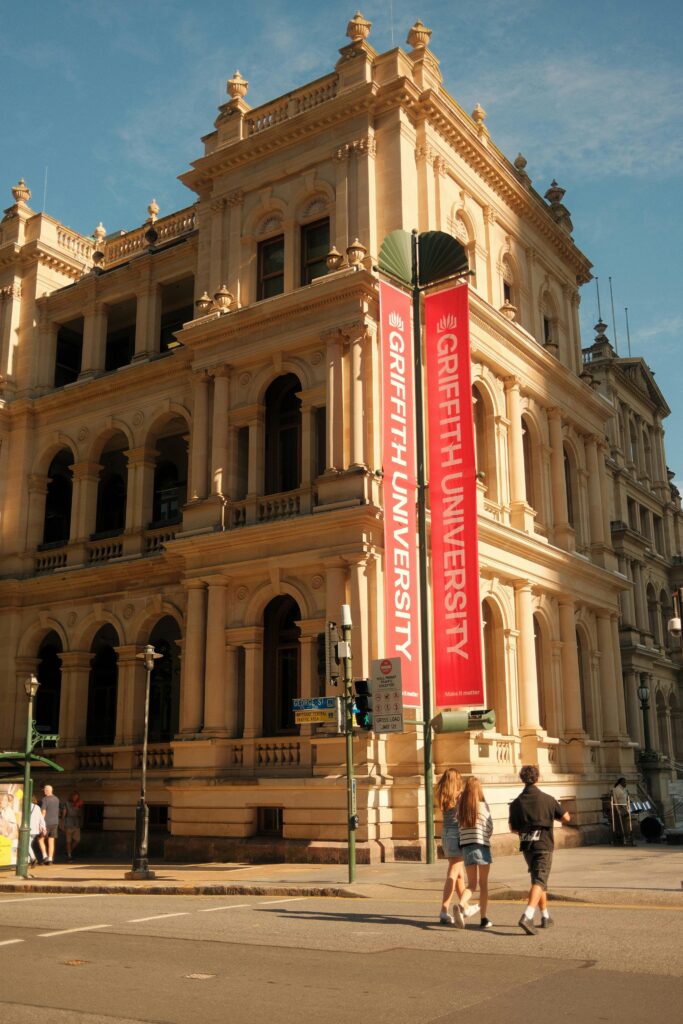
Recognized for student satisfaction and modern digital learning environments across its multiple campuses. - Griffith University – Visit Website
Strong in environmental studies, music, and tourism, Griffith emphasizes diversity and sustainability. - University of Wollongong – Visit Website
Offers a welcoming environment for international students with excellent IT and engineering programs. - La Trobe University – Visit Website
Focused on innovation and community engagement, La Trobe is well-known for research in health and social sciences. - Bond University – Visit Website
A private university with small class sizes, known for law, business, and personalized education experiences. - Charles Sturt University – Visit Website
Offers career-focused degrees with strong industry connections, especially in agriculture and education. - Flinders University – Visit Website
Recognized for medical and health sciences, Flinders fosters innovation and future-focused learning. - University of Tasmania – Visit Website
Offers unique programs in marine and Antarctic studies, with a strong commitment to sustainability and research.

Cost of Living in Australia 💰
Planning to study in Australia? Here’s an overview of average monthly living expenses in 2025 — costs may vary by city and lifestyle.
- 1. Accommodation: AUD $600 – $1,000 (shared flat)
- 2. Food & Groceries: AUD $300 – $600
- 3. Transport (student pass): AUD $50 – $150
- 4. Mobile & Internet: AUD $30 – $80
- 5. Books & Study Materials: AUD $50 – $100
- 6. Health Insurance: AUD $40 – $70
- 7. Personal Expenses: AUD $100 – $250
- 8. Entertainment & Leisure: AUD $100 – $300
- 9. Utilities (Electricity, Gas, etc.): AUD $60 – $120
- 10. Miscellaneous Costs: AUD $50 – $100
Total Monthly Estimate: AUD $1,000 – $2,300 depending on your city and lifestyle.

Part-Time Work Opportunities in Australia 🧑💼
When you study in Australia, part-time work opportunities allow international students to support their living expenses while gaining valuable professional experience.
- Work Limit: International students can work up to 48 hours per fortnight during academic sessions.
- Semester Breaks: Students are allowed to work unlimited hours during official university breaks.
- Average Pay: Part-time jobs typically pay between AUD $20 to $30 per hour, depending on role and location.
- Popular Job Roles: Common part-time jobs include hospitality, retail, delivery services, tutoring, and administrative support.
- On-Campus Jobs: Many universities offer on-campus employment opportunities for enrolled students.
- Legal Requirement: Students must hold a valid Student Visa (Subclass 500) to work legally in Australia.
- Finding Jobs: Students can apply through job portals like Seek, Indeed, or university career centers.
- Networking Advantage: Referrals, networking, and local connections can help secure better part-time roles.
- Skill Development: Part-time work helps build communication, teamwork, and workplace skills.
- Living Support: Earnings from part-time jobs can help cover rent, food, transport, and daily expenses.

Post-Study Work Opportunities in Australia 💼
After you study in Australia, international graduates can apply for post-study work visas that allow them to gain professional experience and build a strong career in Australia.
- Temporary Graduate Visa (Subclass 485): The main post-study work visa for international graduates in Australia.
- Post-Study Work Stream: Available for bachelor’s, master’s, and doctoral graduates, allowing them to work for 2 to 4 years.
- Graduate Work Stream: Designed for diploma and trade qualification holders, usually valid for up to 18 months.
- Eligible Qualifications: Bachelor’s, Master’s, and PhD degrees from Australian institutions.
- Industry Experience: Graduates can gain hands-on experience in sectors like IT, Engineering, Healthcare, Education, and Business.
- Full-Time Work Rights: Post-study visas allow graduates to work full-time without hourly restrictions.
- Employer Preference: Australian employers value local education and work experience.
- Skill Development: Post-study work helps build professional skills, confidence, and global exposure.
- Career Growth: Work experience gained during this period improves long-term career prospects.
- Next Step: Post-study work experience can later support PR pathways, which are explained separately.

PR Pathway in Australia 🇦🇺
After you study in Australia and gain post-study work experience, international graduates may explore permanent residency (PR) options through Australia’s skilled migration system.
-
Step 1: Post-Study Work Visa (Subclass 485)
Gain full-time Australian work experience after completing your studies. -
Step 2: Skilled Occupation List (SOL)
Your job role should match Australia’s skilled occupation lists. -
Step 3: Points Test
PR eligibility depends on points based on age, education, work experience, and English proficiency. -
Step 4: State or Regional Nomination
State or regional nomination can improve PR chances and add extra points. -
Popular PR-Friendly Fields:
IT, Engineering, Healthcare, Education, Construction, and Accounting. -
Regional Advantage:
Studying and working in regional Australia often provides better PR opportunities.

Internship & Job Opportunities in Australia 🧑💻 (2025)
If you’re planning to study in Australia, exploring internship and job opportunities can help you gain experience and financial support. Here’s what to know in 2025:
- 1. Part-Time Work: Students can work up to 48 hours per fortnight during study sessions.
- 2. Full-Time Work: Allowed during semester breaks and holidays.
- 3. Internship Programs: Offered by universities and private companies for skill-building.
- 4. Paid Internships: Many industries pay between AUD $20–$35 per hour.
- 5. Job Portals: Use platforms like Seek, Indeed, and LinkedIn to find part-time and internship roles.
- 6. Popular Job Fields: IT, Business, Engineering, Healthcare, Hospitality, and Education.
- 7. Post-Study Work Visa: Eligible graduates can stay for 2–4 years under the Temporary Graduate Visa (Subclass 485).
- 8. Regional Benefits: Working in regional areas may add extra PR points and visa extensions.
- 9. Career Services: Australian universities have dedicated career centers for student employment guidance.
- 10. PR Pathway: Work experience gained during or after study improves chances for Permanent Residency.
Scholarships and Financial Aid in Australia 🎓
If you're planning to study in Australia, several scholarships and financial aid programs can help cover tuition, living, and travel costs. Here are the top options in 2025:
- 1. Australia Awards Scholarships: Funded by the Australian Government for students from developing countries.
- 2. Destination Australia Scholarships: Encourages students to study in regional Australia with attractive grants.
- 3. Research Training Program (RTP): Provides full tuition and living stipends for postgraduate researchers.
- 4. University-Specific Scholarships: Offered by institutions like Melbourne, Sydney, and Monash Universities.
- 5. Merit-Based Scholarships: Awarded to students with excellent academic records.
- 6. Need-Based Financial Aid: Designed to support students facing financial difficulties.
- 7. Country-Specific Scholarships: Available through home-country governments and embassies.
- 8. Private Organization Grants: Provided by non-profit groups and corporate foundations.
- 9. Research & PhD Funding: Many universities fund top researchers with full stipends and benefits.
- 10. Application Tip: Apply early and include a strong Statement of Purpose (SOP) to increase your chances of success.

Safety, Culture & Student Support Services in Australia 🛡
Planning to study in Australia? You’ll find a safe, friendly, and supportive environment for international students. Here’s what makes Australia a trusted destination:
- 1. Global Safety Rankings: Australia consistently ranks among the safest countries for international students.
- 2. Multicultural Society: Home to students from India, China, UK, Nepal, and 100+ other countries.
- 3. University Support: Most institutions offer 24/7 helplines, international offices, and orientation programs.
- 4. Health Protection: All students must have Overseas Student Health Cover (OSHC) for medical support.
- 5. Legal Rights: Strict anti-discrimination laws ensure equal treatment and protection for everyone.
- 6. Student Accommodation Safety: Verified housing with emergency contacts and local support staff.
- 7. Emergency Services: 000 is Australia’s nationwide emergency number for police, fire, and ambulance.
- 8. Mental Health & Counseling: Universities provide free counseling and wellbeing programs for students.
- 9. Community Integration: Student clubs and societies help newcomers adapt and make friends quickly.
- 10. Inclusive Culture: Australia celebrates diversity with festivals, cultural events, and open community spaces.

Benefits & Challenges of Study in Australia ⚖
Before you decide to study in Australia, it’s helpful to explore both the advantages and challenges. Here’s a detailed look for 2025:
✅ Top 10 Benefits:
- Globally recognized degrees and world-ranked universities
- High-quality education with practical and research-oriented learning
- Opportunity to work part-time while studying (up to 48 hours/fortnight)
- Post-study work visa options for 2–4 years after graduation
- Strong pathway to Permanent Residency (PR) for skilled graduates
- Safe, friendly, and multicultural environment
- Access to scholarships and financial aid for international students
- Modern lifestyle with advanced infrastructure and public facilities
- Networking opportunities with global employers and industries
- Beautiful natural surroundings, beaches, and excellent quality of life
⚠ Top 10 Challenges:
- High cost of living in cities like Sydney and Melbourne
- Tuition fees can be expensive for certain courses
- Homesickness and cultural adjustment challenges
- Strict visa and financial documentation requirements
- Weather differences may take time to adapt to
- Competitive job market in big cities
- Limited PR opportunities for non-priority occupations
- Balancing part-time work with studies can be stressful
- Distance from home country can make travel costly
- Initial adjustment to new academic and communication styles
Why Study in Australia? 🎓
Planning to study in Australia? Australia is one of the most popular study destinations for international students because of its high-quality education, strong work opportunities, and excellent lifestyle. Here are the key reasons why students choose Australia for higher education:
- World-Class Universities: Australia has globally ranked universities such as the University of Melbourne, ANU, and the University of Sydney, known for academic excellence and research.
- Globally Recognized Degrees: Degrees earned while you study in Australia are accepted worldwide and valued by international employers.
- Post-Study Work Opportunities: International graduates can stay and work in Australia for up to 4 years under the Temporary Graduate Visa (Subclass 485).
- Part-Time Work While Studying: Students are allowed to work up to 48 hours per fortnight during study periods, helping manage living expenses.
- Wide Choice of Courses: Australia offers thousands of programs in fields like IT, Engineering, Business, Healthcare, Education, and Research.
- Safe & Student-Friendly Environment: Australia consistently ranks among the safest countries, with strong legal protection for international students.
- Multicultural Lifestyle: Study in Australia alongside students from more than 180 countries, creating a truly global learning environment.
- Affordable Study Options: Compared to the USA and UK, Australia offers competitive tuition fees and flexible scholarship opportunities.
- Research & Innovation Focus: Australian universities emphasize practical learning, innovation, and industry-based research.
- PR & Long-Term Career Pathways: Many courses are aligned with Australia’s skilled occupation lists, supporting permanent residency and career growth.

Application Process to Study in Australia 🧾
To successfully study in Australia, follow this 10-step application process carefully to ensure a smooth admission experience:
- 1. Research Your Options: Explore courses, universities, and locations that match your career goals.
- 2. Check Eligibility: Review academic requirements, English language tests (IELTS, PTE, TOEFL), and prerequisites.
- 3. Prepare Documents: Gather transcripts, passport, SOP (Statement of Purpose), and LORs (Letters of Recommendation).
- 4. Shortlist Universities: Select 3–5 institutions that align with your profile and budget.
- 5. Apply Online: Submit applications through official university portals or authorized agents.
- 6. Receive Offer Letter: Once accepted, confirm your seat by paying the initial tuition deposit.
- 7. Apply for Student Visa: Submit your GTE statement, COE (Confirmation of Enrolment), and financial proof.
- 8. Book Health Insurance: Purchase Overseas Student Health Cover (OSHC) as required by the visa rules.
- 9. Plan Accommodation: Arrange university housing or off-campus stay before arrival.
- 10. Fly to Australia: Book flights, attend pre-departure sessions, and begin your study journey!
Study Intakes & Application Dates in Australia 🎯
If you’re planning to study in Australia, it’s important to know when to apply. Here’s a complete guide to the main intakes and application timelines for 2025:
- 1. February Intake: Main academic session – apply between August and November (previous year).
- 2. July Intake: Mid-year start – applications open from January to March.
- 3. November Intake: Limited programs available – apply by August.
- 4. Rolling Admissions: Many private colleges accept applications year-round.
- 5. Undergraduate Courses: Most open for February and July intakes every year.
- 6. Postgraduate Programs: Usually offered in February, July, or November sessions.
- 7. English Language Courses (ELICOS): Start every month – flexible schedule for international students.
- 8. Apply Early: Applying 6–8 months before intake increases admission and scholarship chances.
- 9. Document Preparation: Prepare SOP, academic transcripts, and English test scores in advance.
- 10. Visa Processing: Allow 4–8 weeks for student visa approval before the semester begins.
Tip: Apply as early as possible to get better chances of admission, housing, and scholarships. 💡Check specific university websites for exact dates, as intakes can vary slightly by program.

How to Get PR After Studying in Australia 🇦🇺
Many international students who study in Australia aim to gain Permanent Residency (PR) after graduation. Here’s a step-by-step guide to plan your pathway effectively:
- 1. Temporary Graduate Visa (Subclass 485): Work in Australia for 2–4 years after completing your studies.
- 2. Skilled Occupation List (SOL): Choose a course related to occupations in demand to improve PR chances.
- 3. Points-Based System: Age, degree, work experience, and English skills determine your PR eligibility.
- 4. Regional Study Benefits: Studying in regional areas adds extra PR points and visa duration.
- 5. Professional Year Program: Completing this program in Accounting, IT, or Engineering boosts your PR score.
- 6. Work Experience: Gaining relevant Australian work experience adds valuable migration points.
- 7. English Proficiency: Higher IELTS or PTE scores (7.0+) can increase your total points.
- 8. State Nomination (Subclass 190/491): Apply through specific states that sponsor skilled graduates.
- 9. Skills Assessment: Get your qualifications assessed by an approved authority (like ACS or Engineers Australia).
- 10. Migration Consultation: Seek advice from a registered migration agent to plan your PR strategy effectively.
🎯 Tip: Start planning your PR pathway while you study in Australia to make the most of your time and opportunities.

Testimonials from International Students in Australia 🗣
These testimonials show how international students study in Australia and build successful global careers.
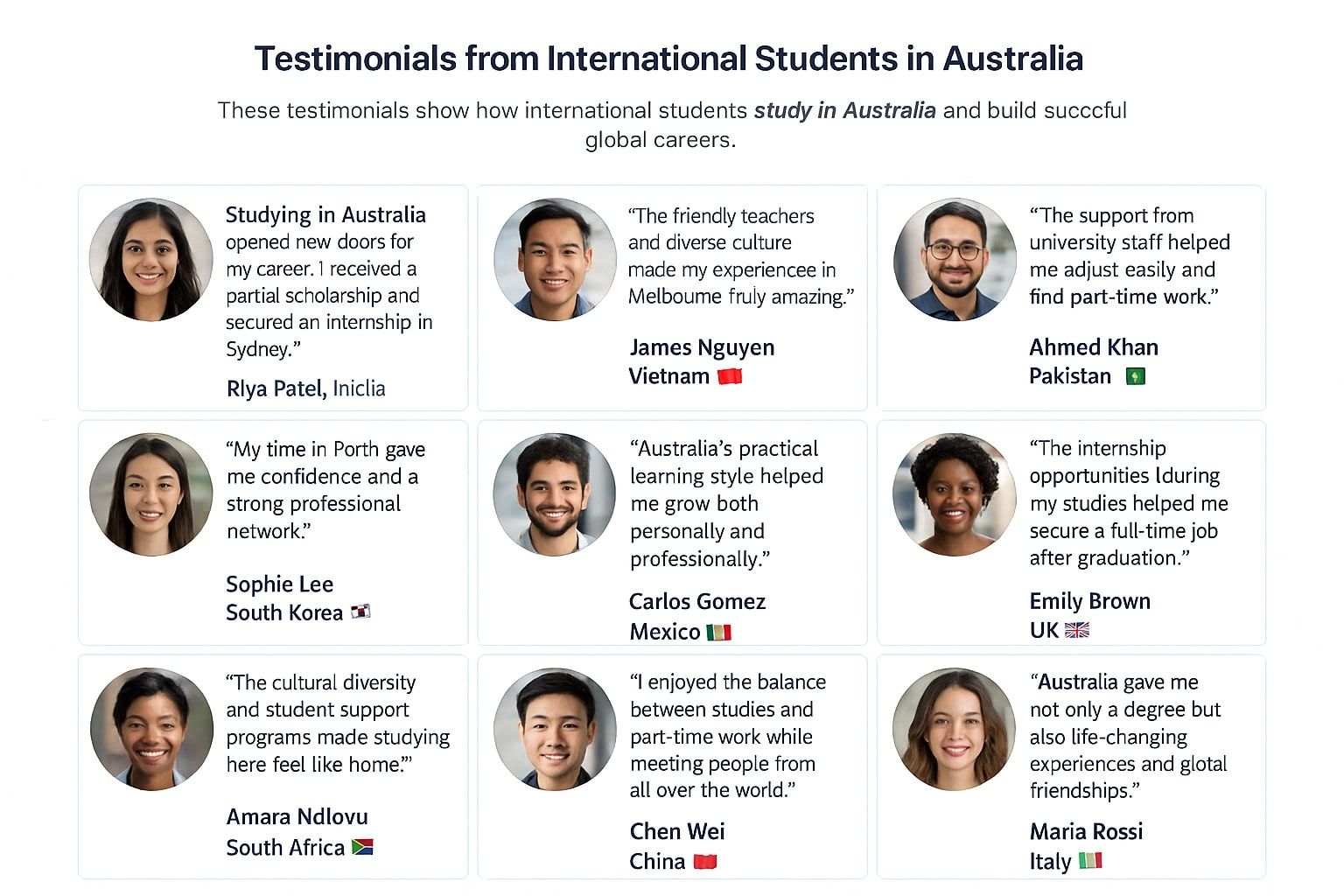
“Studying in Australia opened new doors for my career. I received a partial scholarship and secured an internship in Sydney.”
– Riya Patel, India 🇮🇳
“The friendly teachers and diverse culture made my experience in Melbourne truly amazing.”
– James Nguyen, Vietnam 🇻🇳
“As a postgraduate student, I got strong research support and also worked part-time in a local firm.”
– Lara Santos, Brazil 🇧🇷
“The support from university staff helped me adjust easily and find part-time work.”
– Ahmed Khan, Pakistan 🇵🇰
“My time in Perth gave me confidence and a strong professional network.”
– Sophie Lee, South Korea 🇰🇷
“Australia’s practical learning style helped me grow both personally and professionally.”
– Carlos Gomez, Mexico 🇲🇽
“The cultural diversity and student support programs made studying here feel like home.”
– Amara Ndlovu, South Africa 🇿🇦
“The internship opportunities during my studies helped me secure a full-time job after graduation.”
– Emily Brown, UK 🇬🇧
“I enjoyed the balance between studies and part-time work while meeting people from all over the world.”
– Chen Wei, China 🇨🇳
“Australia gave me not only a degree but also life-changing experiences and global friendships.”
– Maria Rossi, Italy 🇮🇹

Frequently Asked Questions – Study in Australia❓
Here are the most common doubts students ask before they study in Australia. Explore these answers to plan your journey better!
Q1: What’s the minimum academic requirement to study in Australia?
Most universities require 60–70% marks in academics, plus English proficiency like IELTS or PTE.
Q2: Can international students work part-time while studying in Australia?
Yes, students can work up to 48 hours per fortnight during classes and unlimited hours during official breaks.
Q3: Is IELTS mandatory to study in Australia?
Yes, IELTS or an equivalent test (PTE, TOEFL, Duolingo) is required for admission and visa purposes.
Q4: How much bank balance is needed for a student visa?
You must show funds covering 12 months of tuition + living expenses (around AUD $24,000–$30,000).
Q5: Can students apply for PR after studying in Australia?
Yes, through Temporary Graduate Visa (Subclass 485) and later PR via the Skilled Migration pathway.
Q6: What is the average tuition fee for studying in Australia?
Undergraduate programs cost around AUD $20,000–$40,000 per year; postgraduate courses may go up to AUD $45,000.
Q7: Which intakes are available for Australian universities?
Major intakes are in February and July, while some universities also offer November or rolling intakes.
Q8: Are scholarships available for international students?
Yes, the Australian government and universities offer merit-based and need-based scholarships for international students.
Q9: Is accommodation easily available for new students?
Yes, you can choose from on-campus hostels, shared apartments, or homestays depending on your budget and city.
Q10: Can I change my course or university after going to Australia?
Yes, it’s possible with permission from the Department of Home Affairs, but you must meet visa and academic conditions.

Ready to Study in Australia? 🚀
Planning to study in Australia but not sure where to start? Download our FREE Study Abroad Checklist PDF – a step-by-step guide to help you prepare for your dream education journey in Australia.
📥 Download Study Abroad Checklist
Explore Other Study Abroad Destinations 🌍
Apart from your plan to study in Australia, you can also explore these top international study destinations:

Conclusion – Study in Australia 🎓
- ✅ Australia remains one of the top choices for international students in 2025.
- 🎓 The country offers world-class universities and globally recognized degrees.
- 🌏 A multicultural and inclusive environment helps students feel at home.
- 💼 Post-study work visas allow graduates to gain global career experience.
- 💡 Students can explore diverse study fields from STEM to Business and Arts.
- 📈 Education in Australia improves chances of permanent residency (PR).
- 🏙 Major student cities like Sydney, Melbourne, and Brisbane offer vibrant lifestyles.
- 🤝 Australian universities focus on research, innovation, and skill development.
- 🧳 Flexible intakes, scholarships, and internships make studying easier and affordable.
- 🚀 Studying in Australia opens doors to global exposure, success, and a brighter future.
In short, if you wish to achieve academic excellence, career growth, and international experience, then studying in Australia in 2025 is a smart and rewarding decision.

Subscribe for Study in Australia Updates
Get important study tips, visa alerts & checklist updates directly in your inbox.
Thank you!
You have successfully joined our subscriber list.

Start Your Study in Australia Journey Today 🎓
Planning to study in Australia? Download our free checklist to stay organised and explore other popular study destinations before you apply.
📥 Download Study Abroad ChecklistOr explore other top study destinations:
Table of Contents
Toggle