STUDY IN SINGAPORE

Study in Singapore: 2026

Study in Singapore and gain a globally recognized degree, world-class education, and outstanding career opportunities in one of Asia's leading education destinations.

🎓 Explore Singapore Guide

🎥 Study in Singapore – Complete Video Guide

Watch this video guide to explore universities, tuition fees, scholarships, student visas, accommodation, living costs, and career opportunities in Singapore.

▶️ Watch Full Study in Singapore Video

YouTube search results may include videos from different creators. Verify visa, admission, and fee information through official university and Singapore Government websites before making decisions.

SINGAPORE STUDY GUIDE

Introduction to Study in Singapore

Study in Singapore can give international learners access to a diverse education landscape, including universities, polytechnics and other education providers. The right choice depends on your academic background, interests, budget and future goals.

Understanding the Education System

Singapore offers different post-secondary and higher-education pathways. Universities provide degree programmes, while polytechnics and other institutions offer a range of applied, technical and professional learning options. Check an institution's official status and programme details before choosing Study in Singapore.

Opportunities for International Students

International applicants can explore fields such as business, technology, engineering, sciences and other disciplines, depending on the programmes offered by each institution. Admission criteria, fees, scholarships and support services vary. Compare official programme pages when planning to Study in Singapore and review the requirements before applying to Study in Singapore.

Study Pathways and Qualifications

Available routes may include diploma-level programmes, undergraduate degrees, postgraduate qualifications and research opportunities. Entry requirements and progression options depend on the institution and course. Confirm the qualification awarded and the programme requirements before selecting your pathway to Study in Singapore.

How to Use This Guide

This guide introduces important topics such as admissions, tuition fees, living costs, scholarships, accommodation and immigration requirements. Use it to organise your research, then verify details directly with the institution and relevant authorities before making plans to Study in Singapore.

Important for international applicants: Foreign students accepted for eligible full-time studies may need a Student's Pass, depending on their circumstances and existing immigration status. Check the latest rules with Singapore's Immigration & Checkpoints Authority (ICA) and your institution before making travel or enrolment arrangements for Study in Singapore.

For reliable information, start with official education and immigration resources. Compare study options, understand the requirements and prepare your next steps for Study in Singapore.

Official sources: Singapore Ministry of Education (MOE) and Immigration & Checkpoints Authority (ICA). Requirements vary by institution and applicant circumstances. Use these official sources when researching Study in Singapore.

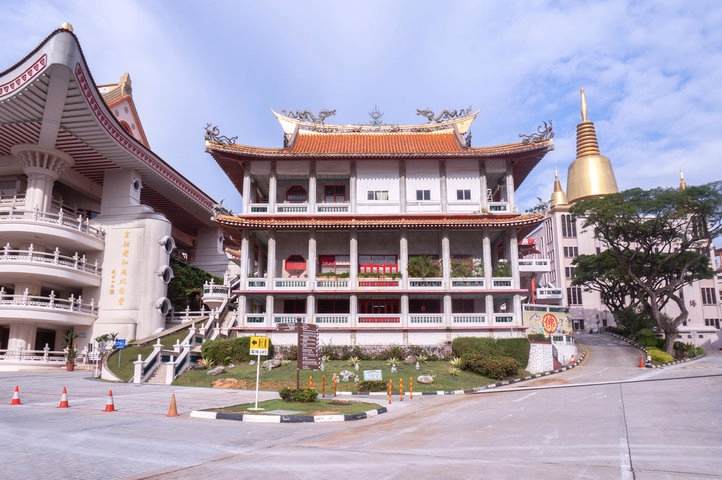
Study in Singapore featuring a beautiful cultural landmark and modern educational environment for international students.
EXPLORE EDUCATION OPPORTUNITIES

Why Study in Singapore?

Choosing to Study in Singapore can provide access to university programmes that combine academic learning, research opportunities, and practical experiences. Institutions such as the National University of Singapore (NUS) and Nanyang Technological University (NTU) offer different opportunities for students to develop knowledge and skills beyond the classroom.

International students considering Study in Singapore should compare universities, programme requirements, learning opportunities, available support services, and overall costs before making an informed decision.

Education and Research Opportunities

Universities such as NUS provide opportunities for students to participate in research-based learning. NUS also supports collaboration between researchers and industry partners through specialised projects and research initiatives. For students interested in academic development, Study in Singapore may offer relevant opportunities, depending on their programme and eligibility.

Industry Connections and Practical Learning

Selected universities offer industry-related learning through internships, company visits, mentorship, case competitions, and practical projects. NTU and NUS describe various initiatives connecting students with industry professionals. These experiences can make Study in Singapore appealing to students seeking practical exposure, although participation depends on programme requirements and availability.

International Learning Environment

Singapore offers opportunities to interact with people from different cultural and educational backgrounds. University programmes, student organisations, and international activities can help learners develop intercultural understanding. Choosing to Study in Singapore may provide an opportunity to build academic relationships and broaden perspectives through participation in campus activities.

Student Support and Personal Development

University support services may include academic guidance, career development, mentoring, and student-life activities. Available services vary by institution. Before deciding to Study in Singapore, students should review the official university website for information about orientation, wellbeing, accommodation, and international student assistance.

Important Considerations Before Choosing Singapore

Although Study in Singapore can offer valuable educational experiences, students should carefully assess tuition fees, accommodation expenses, programme suitability, admission requirements, and immigration conditions. Research or internship opportunities are not automatically available to every student, and completing a qualification does not guarantee employment or a work pass.

A successful decision to Study in Singapore begins with selecting a suitable recognised institution, understanding the course structure, and checking official information rather than relying on promotional claims alone.

Official university sources: National University of Singapore (NUS) and Nanyang Technological University (NTU). Programme availability, eligibility, and student services should be confirmed directly with the relevant institution.

EDUCATION SYSTEM EXPLAINED

Study in Singapore: Education System

Understanding Singapore's education landscape can help international students compare institutions, qualifications, and learning pathways. Before choosing Study in Singapore, explore how universities, polytechnics, and private education providers differ in their programmes, entry requirements, and qualifications.

Universities and Higher Education

Singapore has autonomous universities offering undergraduate and postgraduate degrees, research opportunities, and specialised programmes. Each university establishes its own admission requirements and programme structure. Students planning to Study in Singapore should compare official course pages, entry criteria, and the qualification awarded before applying.

Polytechnics and Applied Learning

Singapore's polytechnics focus on practice-oriented education and offer diplomas across different fields. Depending on their results and the university's admission rules, graduates may pursue further study or enter the workforce. This pathway may suit learners seeking applied skills as part of their plan to Study in Singapore.

Qualifications and Study Pathways

Available qualifications vary by institution and may include diplomas, bachelor's degrees, master's degrees, doctoral qualifications, and professional programmes. Entry requirements, duration, and progression routes are not identical across providers. When exploring Study in Singapore, confirm the exact award, course duration, and further-study options with the institution.

Public and Private Education Providers

Publicly funded institutions operate within Singapore's public education framework, while private education institutions have their own ownership and programme arrangements and are subject to applicable regulation. Private providers may offer programmes leading to qualifications awarded by partner institutions. Students considering Study in Singapore should check who awards the qualification and what recognition applies.

Recognition and Accreditation Checks

Do not assume that registering a private education institution automatically means every course or qualification is accredited or universally recognised. Check the provider's registration, relevant EduTrust status where applicable, course details, awarding institution, and any professional recognition required for your intended career. These checks are essential when planning to Study in Singapore.

Choosing the Right Pathway

Compare academic entry requirements, course content, total fees, practical learning opportunities, and future study options. Ask the institution directly if any information about recognition or progression is unclear. Careful research can help you decide whether a particular programme is suitable for your goals to Study in Singapore.

Important: Verify Before You Enrol

Before paying fees or signing an enrolment agreement, confirm the institution's current registration and applicable certification through official Singapore sources. For private education institutions, review the relevant registration and EduTrust information and check the Student's Pass rules if you are an international applicant. These steps help you make a more informed decision about Study in Singapore.

The best education pathway depends on your qualifications, academic interests, budget, and career plans. Use official institution pages and government guidance to compare your options before deciding to Study in Singapore.

Official sources: Singapore Ministry of Education (MOE), TPGateway, and Immigration & Checkpoints Authority (ICA). Requirements and recognition depend on the institution, programme, and applicant's circumstances. Verify current details directly with the relevant authority.

UNIVERSITY GUIDE

Top Universities in Singapore

Choosing a university is an important step when planning to Study in Singapore. Singapore has several established universities offering undergraduate and postgraduate pathways across different academic disciplines. Explore the institutions below, compare their official programme information, and check the admission requirements that match your educational background.

01

National University of Singapore (NUS)

NUS offers programmes across areas such as computing, business, engineering, science, law, medicine, humanities and social sciences. Review the university's official programme directory to identify courses relevant to your interests and career plans when you Study in Singapore.

Computing Engineering Business Sciences
Official NUS Programmes ↗
02

Nanyang Technological University (NTU)

NTU's published degree offerings cover engineering, business, computing, science, medicine, communication and humanities, among other fields. Check individual course pages for curriculum details, entry criteria and the latest intake information before deciding to Study in Singapore.

Engineering Technology Business Humanities
Official NTU Programmes ↗
03

Singapore Management University (SMU)

SMU is an option to investigate for students interested in fields such as business, accountancy, economics, law, computing and social sciences. Consult its official academic and admissions pages to confirm available programmes and suitability for your plan to Study in Singapore.

Business Accountancy Law Computing
Official SMU Website ↗
04

Singapore University of Technology and Design (SUTD)

SUTD focuses on the relationship between technology, design and innovation. Prospective students can review its official academic offerings and admissions information to see whether its learning approach aligns with their goals for Study in Singapore.

Technology Design Engineering Innovation
Official SUTD Website ↗
05

Singapore Institute of Technology (SIT)

SIT provides applied-degree pathways across selected disciplines. Applicants should examine each programme's curriculum, practical learning components and specific entry requirements before choosing this route to Study in Singapore.

Applied Learning Technology Engineering Health Sciences
Official SIT Website ↗
06

Singapore University of Social Sciences (SUSS)

SUSS offers academic pathways that include social sciences and selected professional and applied disciplines. Review its current full-time or part-time offerings, eligibility rules and programme structure to assess whether it fits your plans to Study in Singapore.

Social Sciences Business Applied Studies Professional Learning
Official SUSS Website ↗

How to Verify a University and Its Programme

Before applying, confirm the institution's status, the exact qualification awarded, the programme's entry requirements, tuition fees and application deadlines through official sources. When planning to Study in Singapore, check that the specific programme—not merely the institution's name—meets your academic and professional needs. Requirements can differ by course and applicant category.

Official University & Education Resources

Use these authoritative sources to check institutional information, current programme listings and admissions details before making a decision about Study in Singapore.

University offerings and admission conditions may change. Verify all details directly with the institution before applying. This guide does not guarantee admission, qualification recognition or employment. Study in Singapore decisions should be based on the current official requirements for your chosen course.

COURSE & SUBJECT GUIDE

Popular Courses and Subjects

Choosing the right course is an important part of planning to Study in Singapore. Universities offer programmes across business, computing, engineering, finance, sciences, healthcare and other fields. Explore these subject areas as a starting point, then confirm current course availability, programme structure and admission criteria through the institution's official website.

Business and Management

Business-related options may include business administration, accountancy, marketing, economics, management and entrepreneurship. When you Study in Singapore, compare the curriculum, elective choices, internship opportunities and any subject-specific entry conditions before selecting a programme.

Business Administration Accountancy Marketing Economics
Explore Official Programmes ↗

Information Technology and Computing

Depending on the institution, computing pathways may cover computer science, information security, computer engineering, artificial intelligence and business analytics. Before deciding to Study in Singapore, check the required academic subjects, mathematical preparation and technical prerequisites.

Computer Science Artificial Intelligence Cybersecurity Data Analytics
Explore NUS Computing ↗

Engineering and Technology

Engineering disciplines can include mechanical, electrical and electronic, civil, environmental, aerospace and biomedical engineering. Students planning to Study in Singapore should review the exact degree pathway, laboratory or project components, mathematics requirements and available specialisations.

Mechanical Electrical Civil Biomedical
Explore NUS Engineering ↗

Finance and Economics

Relevant academic options may include finance, banking-related studies, accountancy, economics, financial analytics and quantitative methods. If you plan to Study in Singapore, check whether a programme is a dedicated finance degree, a specialisation within business or an interdisciplinary qualification.

Finance Economics Accounting Analytics
Explore SMU Admissions ↗

Science and Research

Science pathways can include biological sciences, chemistry, physics, mathematical sciences, environmental studies and other specialist areas. For Study in Singapore, review the programme content and check whether research projects, laboratory training or further study are part of your intended academic route.

Biological Sciences Chemistry Physics Environmental Science
Explore NTU Degree List ↗

Healthcare and Other Fields

Depending on eligibility and programme availability, students may investigate medicine, health-related disciplines, psychology, humanities, communication, design and social sciences. Before choosing to Study in Singapore, confirm professional prerequisites, clinical requirements and any additional selection assessments directly with the university.

Medicine Psychology Humanities Communication
Explore Available Degrees ↗

Course Availability and Entry Requirements

Not every subject is offered by every institution, and similarly named courses may have different curricula and admission standards. Before applying to Study in Singapore programmes, verify the latest intake, qualification requirements, required school subjects, English-language evidence where applicable, application dates and programme-specific assessments. Meeting minimum criteria does not guarantee admission.

Official Course and Admissions Resources

The following buttons lead to official university or government education websites. Use them to verify course information before making decisions about Study in Singapore.

Course listings, entry criteria and application windows can change. Confirm details on the official page for your chosen programme. Information in this guide is original explanatory text, not a copied university prospectus. Study in Singapore planning should always be based on current institutional requirements.

APPLICATION & ELIGIBILITY GUIDE

Admission Requirements and Eligibility

Understanding admission requirements is an essential step when planning to Study in Singapore. Universities assess applicants according to their previous qualifications, academic performance, chosen programme and any additional requirements. Use this guide to prepare before visiting the official admissions page for your selected course.

Academic Qualifications

Applicants generally need an educational qualification that the university accepts for the relevant level of study. Requirements vary by country, qualification type and programme when you Study in Singapore.

  • Secondary or upper-secondary school results for eligible undergraduate applicants
  • Recognised diploma or equivalent qualification, where accepted
  • Bachelor's degree and academic transcripts for relevant postgraduate programmes
  • Required subjects and grades specified by the chosen programme
Check NUS Academic Requirements ↗

English-Language Requirements

Some programmes or applicant categories require evidence of English proficiency. Accepted tests, minimum scores and exemptions differ by institution and qualification. If you plan to Study in Singapore, check the current rules for your exact applicant category.

  • IELTS Academic, TOEFL or another approved test, where required
  • Minimum overall and individual component scores may apply
  • Some qualifications or previous study backgrounds may qualify for an exemption
  • Test validity periods and submission deadlines must be checked
Check NTU English Requirements ↗

Required Application Documents

Prepare clear and accurate documents according to the university's application checklist. The exact documents depend on your previous education, applicant category and course when you Study in Singapore.

  • Passport or identity information, where requested
  • School certificates, examination results and transcripts
  • English-language test results, if required
  • Personal statement, references or résumé, if requested
  • Portfolio, interview or additional assessment for selected courses
Check SMU Documents & Requirements ↗

Course-Specific Eligibility

Meeting a university's general entry criteria may not be enough. Particular courses can have additional subject prerequisites, competitive grade expectations, interviews, tests or practical requirements. Confirm these details before applying to Study in Singapore programmes.

  • Mathematics or science prerequisites for selected technical courses
  • Additional assessments for certain professional programmes
  • Portfolio or audition for selected creative courses
  • Different entry criteria for undergraduate and postgraduate study
Check NTU Programme Eligibility ↗

Application Document Checklist

Use this general checklist to organise your documents before starting your application. The university's own checklist takes priority.

Academic certificates and examination results
Official academic transcripts, if applicable
Passport details and personal information
English test results, if required
Personal statement or references, if requested
Portfolio, test or interview materials, where applicable

Important Eligibility Reminder

Admission standards are not identical across Singapore's universities. Applicants should select the correct category for their educational qualification and check the current application period, required documents, course prerequisites and official deadlines. Meeting minimum requirements does not guarantee admission when applying to Study in Singapore programmes.

Official University Admission Resources

These buttons link directly to official university admissions pages. Use them to verify the latest eligibility criteria and application instructions before deciding to Study in Singapore.

This section uses original explanatory wording and links to official institutional sources. Requirements can change between admission exercises. Always verify the current rules directly with the university. Study in Singapore is an educational planning guide, not a guarantee of admission.

YOUR APPLICATION ROADMAP

Application Process: Step by Step

A well-organised application can make your plans to Study in Singapore easier to manage. Follow these five steps to research programmes, confirm eligibility, submit the required information, review your admission outcome and prepare for enrolment. Always follow the instructions issued by your chosen university.

01

Research and Select Courses

Compare universities, course content, qualification levels, study duration and potential career pathways. Shortlist programmes that match your academic background and interests before deciding where to Study in Singapore.

02

Check Eligibility and Deadlines

Review the entry requirements for your applicant category, required subjects, English-language criteria and application window. Check official dates early so you can prepare before the deadline when you Study in Singapore.

03

Prepare and Submit Documents

Complete the correct online application, provide accurate personal and academic details, upload supporting documents and pay any required application fee. Follow the submission checklist for your selected programme to Study in Singapore.

04

Receive and Review an Offer

Monitor the applicant portal and registered email address for updates. If an offer arrives, read its conditions and response deadline carefully. Some courses may require additional assessments before a final decision about Study in Singapore.

05

Complete Enrolment Requirements

After accepting an offer, follow the university's instructions for registration, required declarations, document verification and other pre-enrolment tasks. International students should separately verify applicable immigration requirements before beginning to Study in Singapore.

Before You Submit an Application

Confirm the exact course title, applicant category, entry criteria, application dates and required supporting materials. When planning to Study in Singapore, use the university's own application guide rather than relying solely on third-party summaries.

Course and university shortlisted
Eligibility requirements reviewed
Documents prepared in the required format
Application and payment deadlines checked

After You Receive an Offer

Read the offer letter and note any academic conditions, response deadline, payment instructions and enrolment tasks. Your next steps depend on the institution and programme, so confirm them directly before finalising your plan to Study in Singapore.

Offer conditions and deadline reviewed
Offer response submitted as instructed
Enrolment tasks and dates recorded
Applicable Student's Pass guidance checked

Important: Keep Your Application Information Accurate

Universities may request additional documents, interviews or tests. Incomplete submissions or missed deadlines can affect an application. Keep copies of submitted documents and check your applicant portal regularly. The steps for Study in Singapore differ by institution, applicant category and course, so the official university instructions always take priority.

Official Application Resources

These buttons link directly to official university admissions pages. Use them to confirm the latest application procedure, documents, deadlines, offer response and enrolment instructions for Study in Singapore.

This section uses original explanatory wording based on official admissions guidance. Application dates, fees and enrolment requirements may change. Verify current details directly with the relevant institution. Admission is not guaranteed.

TUITION & COST PLANNING

Tuition Fees

Understanding tuition costs is an important part of planning to Study in Singapore. Fees depend on the institution, programme, academic year, student category and whether an eligible government tuition subsidy applies. The examples below help you identify what to compare before preparing your study budget.

Official fee examples: Academic Year 2026/2027
Currency: Singapore dollars (SGD / S$)

NTU Undergraduate Programmes

NTU publishes annual tuition fees by programme and student category. For AY2026/2027, the published subsidised fee for international students outside ASEAN is S$21,400 for non-lab-based programmes and S$18,050 for lab-based programmes, under the applicable listed categories.

AY 2026/2027 · Annual fee examples
S$18,050–21,400
Listed subsidised international-student categories; programme and eligibility conditions apply.
NTU Official Tuition Fees ↗

SMU Undergraduate Programmes

SMU publishes separate annual fees by degree and student category. For AY2026/2027, the listed subsidised fee for many regular undergraduate degrees is S$26,200 for other international students. The Law degree has a different fee schedule.

AY 2026/2027 · Regular terms
S$26,200
Annual subsidised fee example for the listed international-student category and many regular degrees.
SMU Official Tuition Fees ↗

SMU Non-Subsidised Fees

Students who do not receive the applicable tuition subsidy may pay different rates. SMU lists S$47,700 annually for many regular undergraduate degrees in AY2026/2027, while Law has a separate, higher listed rate.

AY 2026/2027 · Fee comparison
S$47,700
Annual non-subsidised example for many listed regular undergraduate degrees; not a universal rate.
SMU Fees & Tuition Grant ↗

NUS Postgraduate Programmes

Postgraduate fees vary substantially by faculty, qualification and programme. As one specific AY2026/2027 example, the NUS Faculty of Arts and Social Sciences lists S$46,250 for the Master of Arts in Arts and Cultural Entrepreneurship under its self-funded fee schedule.

AY 2026/2027 · Specific master's programme
S$46,250
Total programme fee example; this is not a general price for all master's degrees.
NUS Postgraduate Fee Schedule ↗

NUS Graduate Law Programmes

NUS Law publishes separate graduate tuition fees for research and coursework qualifications. For AY2026/2027, its listed non-subsidised international-student fee for specified LLM coursework programmes is S$40,250.

AY 2026/2027 · Selected LLM programmes
S$40,250
Listed tuition fee example for specified LLM programmes; other postgraduate courses have different fees.
NUS Law Graduate Fees ↗

Compare the Full Cost

Before choosing where to Study in Singapore, compare the tuition fee for your exact course and intake with mandatory student fees, accommodation, food, transport, insurance and other personal expenses.

Personal budget planning
Course-specific
Your total cost depends on the university, programme duration and personal circumstances.
Singapore MOE Education Guide ↗

Undergraduate vs Postgraduate Costs

Undergraduate fees are often published as annual amounts, while postgraduate programmes may charge per year, per semester or for the entire programme. When comparing costs to Study in Singapore, check the exact fee basis and normal programme duration. Do not multiply a programme fee by the number of years unless the university's published schedule requires it.

Additional Compulsory Fees

Tuition may not cover every university charge. Depending on the institution and student category, additional compulsory fees can include student services, health services, insurance, registration or other academic-related charges. Review the relevant miscellaneous-fee schedule before finalising your budget for Study in Singapore.

Check the Academic Year

Confirm whether the published rate applies to AY2026/2027 or another intake. Fees may differ for new cohorts and continuing students. Always use the fee schedule matching your intended entry year.

Check Tuition Grant Conditions

Subsidised fees may depend on eligibility and acceptance of relevant tuition-grant conditions. Do not assume every international student receives a subsidy. Read the official terms before accepting an offer.

Official Tuition Fee Sources

These buttons lead to official university and government resources. Check the current fee table for your course, student category and academic year before deciding to Study in Singapore.

Fee examples refer to the academic year and programme categories stated above. They are not universal rates or a complete fee list. All amounts are in Singapore dollars (SGD). Verify tuition, GST treatment, miscellaneous fees, subsidies and any applicable obligations directly with the institution before applying.

STUDENT BUDGET PLANNER

Cost of Living

Planning a realistic living budget is an important part of Study in Singapore. Your monthly expenses depend on accommodation, food choices, transport, mobile usage and personal spending. Use the estimates below as a starting point, then adjust them to match your university, housing arrangement and lifestyle.

Budget reference checked: October 2026
Currency: Singapore dollars (SGD / S$)

Accommodation and Utilities

University housing may cost less than a private rental, but room type, location, availability and included utilities affect the final amount. NUS Graduate School publishes an indicative monthly accommodation range for on-campus and off-campus living.

Indicative monthly estimate
S$500–1,800
Broad planning range based on published student accommodation estimates; private rentals can exceed it. Utilities may be extra.
NUS Living Cost Estimates ↗

Food and Groceries

Food costs vary with cooking habits, campus meal plans, food-court meals and restaurant visits. NUS and NTU provide student budget guidance that can help you estimate regular meal expenses.

Monthly budget guide
S$300–630
Illustrative student budgeting range based on university guidance; personal spending can be lower or higher.
NTU Student Expense Guide ↗

Public Transport

Buses and the MRT are common ways to travel around Singapore. The fare depends on distance, service and payment method. Budget according to your accommodation location and daily journey pattern.

Monthly estimate
S$100–250
University-published student estimates; actual spending depends on journeys and any eligible concession.
Official Transport Fares ↗

Mobile and Internet

Mobile costs depend on data allowance and plan type. Some student accommodation includes Wi-Fi, while other housing may require a separate internet subscription. Check what is included before signing a rental agreement.

Monthly planning allowance
S$15–60+
Practical budgeting allowance, not a government-set price. Separate home internet may increase the total.
Official IMDA Website ↗

Books and Study Materials

Your academic materials budget depends on your course, reading lists, software needs and whether books are available through the library. NTU publishes an estimated annual allowance for textbooks and course materials.

Annual university estimate
S$200–500
NTU estimate per academic year; actual course costs vary.
NTU Books and Living Costs ↗

Personal and Other Expenses

Personal spending may include toiletries, laundry, clothing, health needs, entertainment and occasional purchases. Build a separate allowance rather than assuming these costs are covered by rent or food.

Monthly planning allowance
S$230–500
Indicative range informed by university student budget estimates; individual needs differ.
NUS Personal Expense Guide ↗

Estimated Monthly Budget Comparison

The following totals come from NUS Graduate School's published sample budget. They cover everyday essentials and are not a guarantee of your actual costs when you Study in Singapore.

Living ArrangementEstimated Monthly TotalEstimated Annual Total
On-campusS$1,200–2,100S$14,400–25,200
Off-campusS$1,550–3,400S$18,600–40,800

Annual figures are calculated by multiplying the published monthly estimates by 12. They are simple planning calculations, not official annual quotes, and may not match the number of months you actually stay.

Utilities, Internet and Accommodation: Check What Is Included

A rental listing may include some utilities or internet, while another may charge separately. Before budgeting to Study in Singapore, confirm the deposit, rental period, electricity and water charges, internet access, room-sharing rules and any other contractual costs with the accommodation provider.

How to Build a More Accurate Student Budget

Start with the official estimate from your own university. Add your actual accommodation quote, expected meals, likely transport journeys, mobile plan, study materials and personal expenses. Keep a contingency for unexpected costs, and do not treat the lowest estimate as a guaranteed amount for Study in Singapore.

Official Living Cost and Transport Resources

These buttons lead to official university, public transport and government resources. Check the current guidance before finalising your budget for Study in Singapore.

Sources checked for this section in October 2026. University estimates are indicative and may use different assumptions or student categories. Accommodation availability, rent, utilities, telecom plans and transport fares can change. Confirm current details directly with the relevant provider before making financial commitments.

SCHOLARSHIP & FUNDING GUIDE

Scholarships and Financial Aid

Scholarships and financial assistance may help eligible students manage the cost of Study in Singapore. Funding can come from universities, government-supported schemes or external organisations. Each award has its own eligibility rules, application process, coverage and conditions, so review the official terms before applying.

University Scholarships

Singapore universities offer different awards for academic achievement, leadership, co-curricular activities and specific academic interests. For students planning to Study in Singapore, the NUS and NTU scholarship directories are useful starting points.

  • Check scholarships open to international students.
  • Review academic, leadership and programme criteria.
  • Confirm whether admission and scholarship applications are linked.
  • Check what tuition and living expenses the award actually covers.
University-funded awards NUS International Scholarships ↗

Government-Supported Schemes

Government-supported funding is not always the same as a scholarship. Singapore's MOE Tuition Grant Scheme can subsidise eligible tuition fees for qualifying students. International students must check the applicable conditions before accepting assistance.

  • Confirm whether your institution and programme are eligible.
  • Check the student category covered by the scheme.
  • Read the service-obligation terms before signing.
  • Do not assume every grant provides a living allowance.
Eligibility and conditions apply MOE Tuition Grant Scheme ↗

NTU Scholarship Opportunities

NTU lists merit-based, need-based and talent-based funding options. Certain undergraduate awards are open to applicants of different nationalities, but individual programmes can impose specific qualification and academic requirements.

  • Review each award's nationality and course criteria.
  • Check whether a separate scholarship form is required.
  • Confirm the benefits and duration of the award.
  • Check the academic performance needed to retain funding.
Award-specific requirements NTU Scholarships & Awards ↗

Eligibility and Application Deadlines

Scholarship deadlines may follow the admissions timeline or require an additional submission. To prepare for Study in Singapore, use the official dates for your qualification, intended intake and applicant category.

  • Check the latest application period and closing date.
  • Prepare transcripts and supporting documents early.
  • Submit essays or additional forms if the award requires them.
  • Monitor official portals for interview and outcome updates.
Deadlines can change NUS Scholarship Dates ↗

Funding Conditions and Obligations

Before accepting a scholarship or grant, read the award agreement. Some awards require satisfactory academic performance, good conduct or other commitments. Certain Tuition Grant recipients also have a separate service obligation.

  • Check minimum grades and renewal conditions.
  • Confirm whether awards can be combined.
  • Understand any work or service obligation.
  • Review repayment or withdrawal terms, where applicable.
Read the full terms NTU Scholarship Conditions ↗

Financial Aid and Other Assistance

Scholarships are only one possible funding route. Universities may also list bursaries, loans and other assistance for specific student groups. When planning to Study in Singapore, check whether international students are eligible for each scheme.

  • Distinguish awards from loans that require repayment.
  • Check household-income or citizenship criteria.
  • Review what expenses the assistance covers.
  • Confirm whether other funding affects eligibility.
Check applicant eligibility NTU Financial Aid Guide ↗

Scholarship Application Checklist

Before submitting an application, organise your documents and verify each award's rules. A complete application does not guarantee selection for Study in Singapore funding.

Academic transcripts and certificates
Scholarship-specific application form
Personal statement or essays, if required
References and supporting evidence, if requested
Current deadline and eligibility confirmed
Award terms and obligations reviewed

Important: Scholarship vs Tuition Grant

A university scholarship is an award governed by its own terms. The MOE Tuition Grant Scheme is a separate tuition-subsidy arrangement, and eligible international students and permanent residents may have a service obligation. These are not interchangeable forms of funding. Read the official agreement carefully before accepting either type of support.

Official Scholarship and Financial Aid Sources

Use these official university and government pages to confirm current opportunities, eligibility, deadlines and funding conditions for Study in Singapore.

Scholarship availability, deadlines, benefits and conditions may change. Government-supported funding may have separate eligibility and service obligations. Verify every detail directly with the relevant university or Singapore government authority before making a financial decision.

INTERNATIONAL STUDENT IMMIGRATION GUIDE

Student Pass and Immigration

Planning to Study in Singapore means understanding the immigration requirements before you travel. Most international students accepted into an eligible full-time programme need a Student’s Pass unless an applicable exemption applies. Always check the official Immigration & Checkpoints Authority (ICA) guidance for your institution.

🎓

1. Student’s Pass Requirements

To Study in Singapore, you generally need acceptance into an approved, eligible full-time course. Part-time, evening and weekend courses are generally not eligible under the standard Student’s Pass route. Certain existing immigration passes may provide an exemption, subject to ICA rules.

🏫

2. Eligibility After Acceptance

Before planning to Study in Singapore, secure admission to an eligible institution and follow its instructions for the Student’s Pass application. Admission alone does not guarantee approval; ICA assesses the application and may request further information or documents.

📄

3. Documents to Prepare

Students preparing to Study in Singapore should check their institution’s ICA checklist. Commonly requested information includes a school registration acknowledgement, passport or travel-document details, a recent digital photograph, contact details, education and employment history, financial-support information and relevant family details. Requirements vary by school category.

🖥️

4. Application Steps

If you plan to Study in Singapore, first obtain your institution’s required registration or admission acknowledgement. Follow its instructions, complete the applicable ICA e-Service application, submit the requested information and pay the processing fee. If approved, follow your In-Principle Approval (IPA) letter and complete the required formalities before the pass is issued.

📅

5. Application Timing

For many eligible institution categories, ICA advises applying online at least two months and no more than three months before the course begins. Some private education institutions have different processing timelines. Check the exact deadline for your school before making travel arrangements to Study in Singapore.

💳

6. Fees and Processing

ICA’s published guidance lists a non-refundable S$45 application processing fee for the relevant application categories. A S$60 Student’s Pass issuance fee and, where applicable, a S$30 Multiple Journey Visa fee are payable at issuance. Confirm the current fees and payment instructions on ICA’s official website before budgeting for Study in Singapore.

🛂

7. IPA Letter and Pass Issuance

Approval may result in an In-Principle Approval (IPA) letter containing instructions for your next steps. An IPA is not a guarantee of entry. Follow the letter’s requirements, arrange any required appointment or school enrolment, provide medical documents if applicable and complete ICA’s issuance formalities before beginning your plans to Study in Singapore.

🏛️

8. Official ICA Guidance

For reliable information about how to Study in Singapore, use ICA’s official pages to confirm eligibility, the application route for your institution, document requirements, processing estimates and fees. Government guidance takes priority over unofficial blogs, agents’ promises or outdated social-media posts.

Student’s Pass Preparation Checklist

Before applying, confirm your course and institution are eligible, obtain the required school acknowledgement, check passport validity, prepare the requested documents and translations, verify application timing and fees, and follow your school’s instructions. Keep copies of your submission and check your application status through the appropriate official service.

Official Student’s Pass Resources

Use these official Singapore government links to verify current immigration rules and complete the appropriate next steps.

Disclaimer: This section is an independently written educational summary, not immigration or legal advice. Eligibility, processing times, required documents and fees may change and vary by institution. Verify the latest requirements directly with ICA and your educational institution before applying.

INTERNATIONAL STUDENT WORK GUIDE

Student Work Rights

International students may have opportunities to gain work experience while studying, but Singapore has specific rules governing employment. Before planning to Study in Singapore, check whether your institution and Student’s Pass status qualify you to work without a separate work pass.

⚖️

1. Current Work Rules

A Student’s Pass does not automatically grant permission to take any job. Students planning to Study in Singapore must meet the Ministry of Manpower (MOM) exemption conditions or obtain the appropriate work pass before starting employment.

🏫

2. Approved Institution

The student work exemption generally requires full-time matriculation or registration at an institution listed by MOM and a valid Student’s Pass issued by ICA. Check the current approved-institution list before relying on this exemption to Study in Singapore.

📚

3. Work During Term Time

Eligible students may work without a separate work pass during term time if they meet MOM’s conditions. This generally means no more than 16 hours per week, or a qualifying industrial attachment or internship that contributes towards graduation requirements. These rules matter when you Study in Singapore.

🌴

4. Work During Vacations

Eligible full-time students at institutions on MOM’s applicable list can generally work during school vacations without a separate work pass, subject to the exemption conditions, including the minimum age requirement. Verify your institution’s eligibility before accepting vacation work while you Study in Singapore.

🧑‍💻

5. Internship and Industrial Attachment

A term-time internship may qualify for the exemption when it is part of the educational institution’s programme and contributes towards graduation requirements. Additional conditions apply, and a placement outside these rules may require a work pass. Confirm the arrangement before beginning practical training as you Study in Singapore.

🚫

6. Restricted Work Situations

Exchange students are not covered by the standard student work exemption. Other situations, such as a placement that does not meet the exemption conditions, may require a separate work pass. Never assume that a job is permitted simply because you hold a Student’s Pass while you Study in Singapore.

📋

7. Special Training Passes

Some training arrangements may require an employer to apply for a Training Employment Pass or Training Work Permit. Eligibility depends on the training programme, institution, candidate and other MOM criteria. These are separate routes from the ordinary student work exemption, so confirm the correct route before accepting a placement to Study in Singapore.

🏛️

8. Official MOM Guidance

Before taking a job, consult MOM’s official foreign-student work-exemption page and check the institution lists and conditions relevant to your situation. If you are unsure whether a role is allowed, ask your school and the relevant authority rather than relying on informal advice while you Study in Singapore.

Student Work Rights Checklist

Before accepting employment, check your Student’s Pass validity, full-time enrolment, institution eligibility, term-time hour limits, vacation conditions and internship requirements. Ask your school to confirm whether your placement meets the exemption rules. If it does not, establish which work pass is required before starting.

Official Work Rights Resources

These buttons link directly to Singapore’s official Ministry of Manpower website for current rules and related work-pass information.

Disclaimer: This independently written educational summary is not legal advice. Work-pass exemptions depend on current MOM rules, approved-institution lists and individual circumstances. Verify the latest official requirements before accepting employment or an internship.

CAREER READINESS & INDUSTRY EXPERIENCE

Internships and Practical Training

Internships and practical training can help students connect classroom learning with workplace experience. When planning to Study in Singapore, understand how your institution, course requirements and immigration status affect your eligibility for an internship or industrial attachment.

🏫

1. Institution-Based Internships

Some universities and educational institutions arrange internships through their academic programmes. For eligible students who Study in Singapore, an institution-organised attachment may qualify for a work-pass exemption when it meets the applicable MOM requirements and contributes towards graduation requirements.

📘

2. Course-Related Practical Training

Practical training may form a compulsory or elective part of a course. When you Study in Singapore, check whether the placement is formally recognised by your institution and whether it counts towards graduation. A course-related label alone does not automatically establish immigration work authorisation.

✅

3. Eligibility and Authorisation

Students who Study in Singapore should confirm their Student’s Pass status, full-time enrolment and institution eligibility before accepting an internship. The applicable work-pass exemption must cover the actual placement. If it does not, the employer may need to apply for the appropriate work pass before training begins.

🤝

4. Employer and University Requirements

Before starting practical training, obtain the institution’s approval where required and confirm the employer’s placement conditions. Students who Study in Singapore should clarify their duties, dates, supervision, working hours, assessment arrangements and any documents required by the university or employer.

🗓️

5. Term-Time Internship Conditions

Under MOM’s rules, eligible students at listed institutions may work during term time without a separate work pass if they meet the relevant conditions. These include a maximum of 16 hours per week or a qualifying institution-conducted internship or industrial attachment that contributes towards graduation requirements. Check the current rules before arranging training while you Study in Singapore.

🌐

6. External or Overseas Placements

An internship arranged independently or through an overseas organisation may not fall under the same exemption as an approved course placement. Students who Study in Singapore should ask their institution and the relevant authority to confirm the rules for the placement location, employer and training arrangement before accepting an offer.

🛂

7. Training Employment Pass

Certain foreign students or trainees may qualify for a Training Employment Pass, depending on the programme and MOM eligibility criteria. For foreign students, the training attachment must be part of their course of study and other eligibility conditions apply. Students who Study in Singapore should have the employer check the correct pass route rather than assume the ordinary student exemption applies.

🏛️

8. Official Guidance and Final Checks

Before starting an internship, consult MOM’s official foreign-student work exemption guidance and, where relevant, Training Employment Pass requirements. Students who Study in Singapore should also check their institution’s internship office for academic approval, assessment rules and documentation.

Internship Preparation Checklist

Confirm the placement is relevant to your course, obtain required university approval, verify the employer and supervision arrangements, check the term-time work conditions, confirm whether a separate work pass is needed and keep copies of your placement documents. Do not begin work until the applicable authorisation requirements are satisfied.

Official Internship and Training Resources

These buttons link to official Singapore government guidance for student work exemptions and training work permissions.

Disclaimer: This independently written educational guide is not legal advice. Work-pass exemptions and training permissions depend on current MOM rules, the institution, the course and the specific placement. Confirm the latest requirements with MOM and your educational institution before beginning an internship.

GRADUATE CAREERS & EMPLOYMENT GUIDE

Career Opportunities After Graduation

Completing a qualification can open doors to professional opportunities, industry connections and further learning. If you plan to Study in Singapore, prepare for the graduate job market early and understand the separate immigration requirements that apply to foreign employees.

🎓

1. Graduate Employment Planning

Students planning to Study in Singapore can prepare for graduation by developing relevant skills, building a portfolio, completing eligible internships and using university career services. Research job descriptions and employer expectations before graduation, and check whether your immigration status permits you to remain in Singapore or work after your course ends.

💻

2. Technology and Digital Careers

Depending on your qualifications and experience, potential opportunities may include software development, cybersecurity, data analytics, cloud services and digital product roles. Those who Study in Singapore should compare course outcomes with actual vacancies and build demonstrable skills rather than assume that a particular degree guarantees employment.

📊

3. Business, Finance and Professional Services

Depending on employer demand and your background, graduates may explore business operations, accounting, financial analysis, marketing, consulting and supply-chain roles. If you Study in Singapore, strengthen your applications with relevant projects, communication skills and evidence that you meet the specific requirements of each advertised position.

🔬

4. Engineering, Science and Healthcare

Engineering, biomedical science, research, manufacturing and healthcare are other areas graduates may investigate. Some occupations require professional registration, recognised qualifications or additional licences. Before choosing a programme to Study in Singapore, review the qualifications and approvals needed for your intended career.

🔎

5. Job Search Resources

Use university career offices, employer career pages, professional networks and reputable job portals to identify suitable vacancies. Singapore’s Careers@Gov portal lists public-service opportunities. Students who Study in Singapore should verify job details, application deadlines and eligibility directly with the hiring organisation.

🛂

6. Work-Pass Requirements After Study

Graduation does not automatically authorise a foreign student to work. Those who Study in Singapore must check their current immigration status and whether they need an Employment Pass, S Pass or another valid work authorisation. They must satisfy the applicable criteria before starting employment.

🤝

7. Employer Sponsorship and Eligibility

For an Employment Pass or S Pass, the employer or its appointed employment agent generally submits the application. Eligibility depends on the relevant pass criteria, which may include salary, qualifications, job details and employer-related conditions. Students who Study in Singapore should discuss sponsorship and application requirements with prospective employers early.

📄

8. Documents and Application Readiness

Prepare an accurate CV, academic transcripts, certificates, references and relevant work samples. Keep identity and qualification documents ready and follow the employer’s instructions for verification. When you Study in Singapore, ensure that all information is accurate and that the employer checks the correct work-pass route before you begin work.

Graduate Career Preparation Checklist

Research suitable roles, use your university’s career support, tailor your CV to each vacancy, prepare for interviews, check professional licensing requirements and discuss work-pass eligibility with the employer. Verify the validity of your current immigration permission and do not start employment until the required authorisation is in place.

Important: Employment Is Not Guaranteed

A Singapore qualification does not guarantee a job offer, employer sponsorship, approval of a work pass or permanent residence. Hiring decisions depend on employers and labour-market needs, while work-pass applications are assessed under the rules in force at the time of application.

Official Career and Work-Pass Resources

Explore these official Singapore government resources for job-search information and current work-pass requirements.

Disclaimer: This independently written educational guide is not legal, immigration or employment advice. Job-market conditions and work-pass requirements can change. Verify current eligibility directly with Singapore’s Ministry of Manpower and the relevant employer before making decisions.

STUDENT HOUSING & LIVING GUIDE

Student Accommodation

Finding suitable housing is an important part of planning to Study in Singapore. Students can explore university residences, private rooms, shared apartments and other accommodation options. Availability, eligibility, location and cost vary, so compare the options carefully before committing to a rental.

🏫

1. University Residences

Some universities provide halls of residence, residential colleges or student hostels. Students planning to Study in Singapore should check application deadlines, room types, eligibility, facilities, meal arrangements and accommodation fees directly with their university. A place is not guaranteed, and allocation may depend on availability and institutional criteria.

🏢

2. Private Rentals and Shared Housing

Private accommodation may include a room in a shared apartment, a private studio or a student hostel. When you Study in Singapore, compare the distance to campus, public transport, privacy, shared facilities, utility arrangements and the total monthly cost. Confirm that the property and rental arrangement comply with Singapore’s housing rules.

💰

3. Rent and Security Deposits

Rental costs depend on the location, room type, facilities and contract. Before moving in to Study in Singapore, ask for a written breakdown of rent, deposit, utilities, internet, air-conditioning servicing and any applicable agent fees. Deposit amounts and refund conditions depend on the agreement; do not assume that every deposit is automatically refundable in full.

📝

4. Rental Contracts

Read the tenancy agreement carefully before signing. Students who Study in Singapore should check the rental period, payment dates, deposit terms, maintenance responsibilities, termination notice, permitted occupants and inventory. Keep a signed copy and written records of payments. Singapore’s Council for Estate Agencies provides useful tenant checklists and tenancy agreement templates.

📊

5. Monthly Budgeting

Build a realistic budget that includes accommodation, food, transport, mobile service, utilities, study materials and personal expenses. Students who Study in Singapore should also plan for the initial deposit, advance rent, moving costs and emergency savings. University estimates are useful starting points, but actual spending can be higher or lower.

🔐

6. Rental Safety and Scam Prevention

Verify the landlord, property details and any agent’s registration before paying. If you plan to Study in Singapore, view the property in person or arrange reliable verification, check that the rental is lawful, and obtain a written agreement and payment receipt. Be cautious of pressure to transfer money immediately, unusually low offers or requests to pay before the property and parties are verified.

📍

7. Location and Everyday Convenience

Consider the journey to lectures, access to public transport, nearby supermarkets, healthcare facilities, laundry options and quiet study space. When you Study in Singapore, a room with a lower rent may involve a longer commute or extra transport costs, so compare the overall cost and daily convenience rather than rent alone.

🎓

8. Official University Housing Resources

Start with your university’s accommodation office for current housing options, application procedures, room rates and eligibility. International students who Study in Singapore should confirm their accommodation arrangements before travel and keep a backup plan in case campus housing is unavailable.

Accommodation Planning Checklist

Compare university and private housing, confirm the full monthly cost, check the deposit and refund clauses, read the tenancy agreement, verify the landlord or registered agent, document the room’s condition and retain receipts. Arrange suitable housing before arrival and keep emergency funds available for unexpected expenses.

Official Accommodation and Rental Resources

These links lead to official university housing information and Singapore’s government guidance for tenants.

Disclaimer: This independently written guide is for general educational purposes and is not legal or financial advice. Housing availability, rent, deposits and tenancy conditions vary. Check the latest information with your university, landlord and relevant Singapore authorities before making payments or signing an agreement.
CAMPUS LIFE & STUDENT WELLBEING

Student Life and Support Services

University life involves more than lectures and exams. When you Study in Singapore, campus communities, academic guidance, student services and everyday-life resources can help you settle in, build friendships and navigate a new environment with greater confidence.

👥

1. Campus Life and Student Communities

Students who Study in Singapore can explore student clubs, cultural societies, sports groups, volunteering activities and faculty associations. These communities provide opportunities to meet classmates, develop interests and connect with people from different backgrounds. Activities and membership requirements vary by institution.

📚

2. Academic Support Services

When you Study in Singapore, ask your university about academic advisers, faculty office hours, library support, writing resources, tutoring and study-skills workshops. These services can help you understand course expectations, plan assignments and identify support early if you experience academic difficulties.

🌏

3. International Student Support

International offices can help students who Study in Singapore understand university registration, orientation, campus facilities and relevant administrative procedures. Contact your institution’s international student team for guidance about official documentation, settling in and where to seek help with questions about student life.

💙

4. Wellbeing and Counselling

Adjusting to a new country and balancing academic responsibilities can take time. Students who Study in Singapore can check whether their institution offers counselling, wellbeing consultations, peer-support programmes or health services. Confirm appointment procedures, availability and any applicable charges directly with the university.

🚆

5. Transport and Daily-Life Guidance

Students who Study in Singapore can use official public-transport journey planners to compare routes, travel times and payment options for buses and trains. Before classes begin, identify your nearest station, estimate your commute and check whether you qualify for a student concession card. Eligibility depends on the applicable concession scheme.

🧭

6. Orientation and Campus Induction

Orientation programmes help new students become familiar with university facilities, academic systems, student organisations and important services. If you Study in Singapore, check your institution’s orientation schedule, registration instructions, attendance requirements and international-student welcome activities before the semester starts.

🩺

7. Health, Safety and Student Assistance

Students who Study in Singapore should save their university’s security contact, locate nearby healthcare facilities and understand how to report an urgent concern. Check the institution’s health-service arrangements, insurance requirements and emergency procedures. For immediate emergencies, use the relevant Singapore emergency service.

💻

8. Student Portals and Essential Resources

University portals may provide timetables, course materials, fee information, library access, announcements and student-service contacts. When you Study in Singapore, activate your official student account, review university communications regularly and keep copies of important academic and immigration documents securely.

Student Life Preparation Checklist

Before your semester begins, register for orientation, activate your university account, save important student-service contacts, explore academic support, check counselling and healthcare arrangements, plan your commute and look into student clubs. Keep your institution’s official guidance handy so you know where to find help when needed.

Official Student Life and Support Resources

Explore these official university and Singapore government resources for orientation, student wellbeing, international-student support and public transport.

Disclaimer: This independently written guide is for general educational purposes. Student services, counselling availability, orientation schedules and transport concessions depend on the institution and individual eligibility. Confirm current information directly with the relevant university or official authority.

MAKE AN INFORMED STUDY DECISION

Pros and Cons of Studying in Singapore

Choosing where to study requires more than comparing university rankings. Before deciding to Study in Singapore, consider educational opportunities, total expenses, lifestyle, career plans and the adjustments involved in living abroad. The right choice depends on your budget, academic goals and personal circumstances.

🎓
ADVANTAGE

1. Education and International Exposure

Students who Study in Singapore can explore universities offering programmes in fields such as engineering, business, computing and science. Studying in a multicultural environment can broaden perspectives and help students build international connections. Programme quality and suitability should be assessed individually.

💰
CHALLENGE

2. Tuition Fees and Living Costs

The cost of tuition, accommodation, food, transport and insurance can be substantial. If you plan to Study in Singapore, calculate the full cost of the entire programme, not just the first semester. Fees differ by institution, course, citizenship category and applicable tuition grants or scholarships.

💼
POTENTIAL BENEFIT

3. Career and Industry Connections

Singapore has activity across sectors including finance, technology, logistics, engineering and biomedical sciences. Students who Study in Singapore may access career events, internships and professional networking through eligible university programmes. Actual opportunities depend on skills, employer demand, work authorisation and individual eligibility.

🛂
IMPORTANT CONSIDERATION

4. Work-Pass and Employment Rules

A qualification does not automatically provide permission to work or remain in Singapore indefinitely. Students planning to Study in Singapore should understand Student’s Pass conditions and the separate eligibility rules for employment passes after graduation. Employers and the relevant authorities must follow applicable requirements.

🌏
LIFESTYLE BENEFIT

5. Multicultural Environment

Singapore is home to communities with varied cultural, linguistic and religious backgrounds. English is widely used in education and public life, although several other languages are also spoken. Students who Study in Singapore may enjoy learning about different traditions while developing cross-cultural communication skills.

🌦️
LIFESTYLE ADJUSTMENT

6. Tropical Climate and Daily Routine

Singapore has a tropical climate with warm temperatures, high humidity and rainfall throughout the year. Students who Study in Singapore may need time to adjust to the weather, frequent rain and air-conditioned indoor environments. Lightweight clothing, hydration and planning for wet weather can make daily routines easier.

🚆
PRACTICAL ADVANTAGE

7. Public Transport and Urban Convenience

Singapore's public transport network connects many residential, commercial and educational areas. For students who Study in Singapore, buses and trains can make commuting practical, although travel time and costs depend on the home location, campus and daily schedule. Check routes and student concession eligibility before budgeting.

🧭
PERSONAL CHALLENGE

8. Independence and Cultural Adjustment

Moving abroad can mean adapting to different food, social expectations, academic methods and distance from family. Students who Study in Singapore should plan for homesickness, time management and independent budgeting, while using campus communities and student-support services when needed.

How to Decide if Singapore Is Right for You

Compare course quality, total tuition and living costs, available financial aid, accommodation, career goals and immigration conditions. Speak with the university, review official fees and prepare a realistic budget before making a final decision. The benefits can be meaningful, but they should be weighed against your own financial and academic priorities.

Official Resources for an Informed Decision

Consult these government and university sources to verify education costs, student work rules, immigration requirements and climate information.

Disclaimer: This independently written guide provides general educational information, not legal, immigration or financial advice. Tuition fees, living costs, work-pass requirements and opportunities vary. Confirm current details with the relevant institution and Singapore authorities before making decisions.

YOUR QUESTIONS ANSWERED

Frequently Asked Questions (FAQs)

Planning to study overseas involves important decisions about admission, fees, immigration, work opportunities and everyday expenses. These frequently asked questions about Study in Singapore offer a practical starting point, with links to official resources for further research.

1. What are the admission requirements and eligibility criteria?

Admission requirements depend on your chosen institution, course and previous qualifications. Before applying for Study in Singapore, check the university's academic entry requirements, English-language requirements where applicable, application deadlines and supporting documents. Meeting the minimum requirements does not automatically guarantee admission.

2. How much are tuition fees, and can international students receive scholarships?

Tuition fees vary by institution, programme, degree level and nationality. Students considering Study in Singapore should review the latest programme-specific fee schedule and check whether scholarships, bursaries or tuition assistance are available. Some funding schemes have separate eligibility conditions or service obligations, so read the terms before accepting an award.

3. Do international students need a Student's Pass?

Many international students accepted for full-time study need a Student's Pass issued by Singapore's Immigration & Checkpoints Authority (ICA), unless an applicable exemption applies. For Study in Singapore, check the requirements for your specific institution, prepare the requested documents and follow the official application timeline. Admission alone does not mean your pass has been approved.

4. Can international students work while studying?

Work permission is subject to Singapore's current rules, the student's immigration status and the institution attended. Eligible students may be permitted to work under specified conditions, including limits during term time. Before accepting a job while pursuing Study in Singapore, confirm your eligibility directly with the Ministry of Manpower (MOM). Do not assume that every Student's Pass holder can work.

5. What should students budget for accommodation and living expenses?

Your budget should account for accommodation, meals, transport, books, phone service, insurance where applicable and personal expenses. Costs vary with housing type and lifestyle. When planning Study in Singapore, compare university accommodation options with private rentals and keep funds available for deposits and initial setup costs. University estimates are useful planning guides, not guaranteed prices.

6. Are internships available, and can students work after graduation?

Internship availability depends on the programme, employer and eligibility requirements. After graduation, employment is not automatic: graduates must meet the relevant immigration and work-pass conditions. Anyone considering Study in Singapore should explore university career services, internship arrangements and the current work-pass criteria before making career plans.

TRUSTED INFORMATION DIRECTORY

Official Resources, External and Internal Useful Links

Use these trusted resources to research admissions, immigration rules, student employment, skills development and education providers. When planning study in singapore, official websites are the best starting point for checking current requirements, eligibility conditions and application procedures.

Immigration & Checkpoints Authority (ICA)

Check official information about Student's Pass applications, immigration requirements and the documents relevant to international students planning study in singapore. Follow the current instructions that apply to your institution and circumstances.

Visit Official ICA Website

Ministry of Manpower (MOM)

Review official rules on work-pass eligibility and the conditions under which eligible foreign students may work. Before accepting employment during study in singapore, confirm the applicable restrictions directly with MOM.

Check Student Work Rules

Ministry of Education (MOE)

Explore Singapore's education system, education policies and relevant official guidance. Use MOE resources alongside institution-specific admission information when researching study in singapore.

Visit Official MOE Website

SkillsFuture Singapore (SSG)

Explore information about skills development, lifelong learning and relevant training initiatives. Check each programme's eligibility and provider details before choosing a course related to your study in singapore plans.

Explore SkillsFuture Singapore

Official Universities & Education Providers

Check course entry criteria, tuition fees, scholarships, deadlines and student services on the provider's own website. Comparing official programme pages is an important step when evaluating study in singapore options.

Visit NUS Official Website

Other Singapore Government Resources

Consult relevant government websites for additional public services, official policies and practical information. Cross-check important details with the responsible authority before making decisions about study in singapore.

Explore Singapore Government

Useful Internal Links on StudySilently

Continue exploring study in singapore guidance on StudySilently, including your Singapore study guide and frequently asked questions. Internal links help readers move between related sections without leaving your website.

Source and accuracy note: The external buttons link to the official domains of Singapore government agencies and the National University of Singapore. Information on third-party providers should be checked on the relevant provider's own official website. Rules, fees and programme conditions can change, so verify current details before applying.

FREE STUDENT PLANNING RESOURCE

Study Abroad Checklist — Lead Magnet CTA

Preparing for study in singapore involves more than selecting a course. Organise your research, application documents, financial plan and pre-departure tasks with a structured checklist that helps you keep important steps in one place.

Study Abroad Complete Checklist

Use this planning resource to organise your next steps for study in singapore and other international study destinations. It is designed to help you track essential tasks, identify missing documents and plan ahead. Requirements differ by university and country, so confirm official requirements before applying.

University Applications

Keep course research, university shortlists, eligibility checks and application deadlines organised while planning study in singapore.

Document Preparation

Track your passport, academic records, statements, recommendation letters and any language-test documents needed for study in singapore.

Budget & Scholarships

Plan tuition, living expenses, application costs and scholarship research before committing to study in singapore.

Visa & Immigration Planning

Make a list of immigration steps and documents to verify with the relevant authorities for study in singapore.

Accommodation & Travel

Remember housing research, travel arrangements, essential contacts and arrival planning for study in singapore.

Progress Tracking

Review completed tasks, pending actions and upcoming deadlines as you prepare for study in singapore.

✓ Country and course research
✓ University requirements and deadlines
✓ Documents and financial preparation
✓ Scholarship and accommodation planning
✓ Visa steps to verify with official authorities
✓ Travel and pre-departure preparation
📥 Get the Study Abroad Checklist PDF

Please restore or replace the PDF URL before publishing this button. The previously indexed file currently returns a 404 error.

Plan with confidence: A checklist can help you organise your preparation for study in singapore, but it cannot guarantee admission, a scholarship or visa approval. Always check the latest instructions on your chosen institution's official website and the relevant government portal.

For official Singapore Student's Pass information, visit the Immigration & Checkpoints Authority (ICA).
TRANSPARENCY & IMPORTANT INFORMATION

Disclaimer and Last Updated

Before making education, financial or immigration decisions about study in singapore, readers should understand the scope of this guide, confirm important details with official authorities and review the latest requirements applicable to their circumstances.

Information May Change

Tuition fees, admission criteria, scholarship conditions and immigration rules may change without notice. Information about study in singapore on this website is intended as a general starting point, not a guarantee that requirements will remain unchanged.

Verify Official Requirements

Before applying for study in singapore, check admission requirements directly with your chosen institution and confirm Student's Pass requirements with the Immigration & Checkpoints Authority. Verify work eligibility with the Ministry of Manpower where relevant.

Independent Information Website

StudySilently.com is an independent informational website. Our content about study in singapore is provided for general educational planning and should not be interpreted as an official statement from the Singapore Government, a university or an immigration authority.

No Professional Advice or Guarantee

Our guidance about study in singapore is not legal, immigration or financial advice. We do not guarantee admission, scholarships, Student's Pass approval, employment or any particular outcome. Individual eligibility and decisions rest with the relevant institution or authority.

Last Updated

Update this date whenever you review and revise this page's information. Do not retain the date if the page has not actually been reviewed on that date.

Check Official Singapore Resources

For the latest information relevant to study in singapore, use the responsible government authority or the official website of your selected education provider. These sources are more appropriate for confirming current rules than relying solely on a general guide.

Editorial note: We aim to provide clear and useful information about study in singapore, but official policies, programme availability, fees and eligibility conditions can change. Readers are responsible for checking the current information with the appropriate institution or authority before taking action. Links to external websites are provided for convenience and do not imply government endorsement of StudySilently.com.

⬆Back to Top

Table of Contents