🇨🇦 STUDY IN CANADA

Study in Canada 2026

Discover top Canadian universities, scholarships, affordable tuition fees, student visas, work opportunities, PR pathways, and everything you need to build your future in Canada.

🎓 Explore Canada Guide
WHY STUDY IN CANADA?

Why Study in Canada as an International Student?

Canada offers international students a wide range of education pathways, from colleges and vocational schools to universities, graduate programs and language schools. The Canadian education system also provides different routes for students with different academic and career goals. For students planning to Study in Canada, these flexible options make it easier to choose a program that matches their academic background and future career plans.

Whether you are looking to Study in Canada through a college diploma, undergraduate degree, graduate program or specialized training, Canada offers a variety of educational pathways to explore.

Choosing where to study abroad is a major decision. Students need to look beyond a university name and consider the type of program, credential, tuition, location, admission requirements and the opportunities available after graduation. Canada provides a broad education system in which students can explore different study pathways according to their academic interests and long-term goals.

According to the Government of Canada's official EduCanada portal, Canada's education system includes colleges and vocational schools, universities, graduate studies, language schools and other learning pathways. Colleges and vocational schools generally focus on practical and hands-on education, while universities offer bachelor's, master's and doctoral degrees.

This variety can make Canada an attractive option for students who are not looking for a single type of academic experience. A student interested in career-focused training may explore a college or vocational program, while another student may prefer a university degree or graduate-level research program.

Canada also has both English- and French-language education opportunities. Depending on the institution, program and province or territory, international students can find programs designed for different academic backgrounds and career interests.

EXPLORE YOUR OPTIONS

Choose an Education Pathway That Fits Your Goals

Before choosing a school, understand the major types of education available in Canada and the credentials they offer.

01

Colleges & Vocational Schools

Canadian colleges and vocational schools can provide practical, hands-on education. Depending on the program, students may earn certificates or diplomas designed around specific areas of study and career preparation.

Learn more from EduCanada →
02

Universities

Canadian universities offer undergraduate and graduate education, including bachelor's, master's and doctoral degrees. Students interested in academic study, professional development or research can explore university programs across Canada.

Explore university pathways →
03

Graduate Studies

Students who already hold an undergraduate degree can explore graduate-level options, including master's and doctoral programs. Program structure, admission requirements and research opportunities vary by institution and field.

Explore graduate studies →
04

Language Schools

International students can also explore English or French language programs. Language study can help students develop their language skills before or alongside their broader academic plans, depending on the program and applicable requirements.

Explore language study →
IMPORTANT FOR INTERNATIONAL STUDENTS

Choosing a School Is Only the First Step

Canada’s education system is administered by provinces and territories. That means students should check the requirements and information that apply to their chosen province or territory, as well as the specific institution and program.

International students should also verify whether their chosen institution is a Designated Learning Institution (DLI) before applying for a study permit. A letter of acceptance from a DLI is part of the study permit application process for most international students.

Check Canada's Official DLI List →

Ready to Start Your Canada Study Research?

Start by exploring official information about Canada's education system, study costs, colleges and universities, scholarships and study permits before making your final decision.

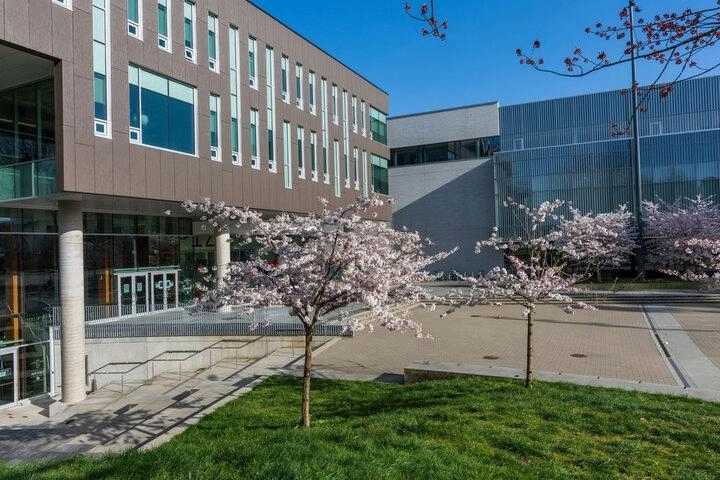
Study in Canada modern university campus featuring contemporary academic buildings, green landscape, and a welcoming environment for international students.
🇨🇦 CANADIAN EDUCATION SYSTEM

Understand the Canadian Education System Before You Apply

Understanding Canada's education system is an important first step for anyone planning to Study in Canada. The country offers different types of institutions and study pathways, allowing international students to choose programs according to their academic background, interests, language preference, and career goals.

Unlike countries with one central national education authority, Canada's education system is administered by its provinces and territories. This means that education policies, institutions, admission processes, and certain requirements can vary depending on where you plan to study. For students planning to Study in Canada, it is important to understand the education rules and requirements that apply to the province or territory where they intend to study. The Government of Canada recommends that international students research the education system and requirements relevant to their chosen province or territory before applying, helping them make informed decisions throughout their Study in Canada journey.

For international students, the main post-secondary options include colleges and vocational schools, universities, graduate studies, professional programs, and language schools. Each pathway serves a different purpose, so choosing the right option is an important part of planning your Study in Canada journey.

🎓

Colleges & Vocational Schools

Canadian colleges and vocational schools generally focus on practical, career-oriented and hands-on learning. Depending on the program, students may earn certificates, diplomas or other credentials.

Explore Colleges & Vocational Schools →
🏛️

Universities

Canadian universities offer undergraduate and graduate education, including bachelor's, master's and doctoral-level programs across many fields of study.

Explore Canadian Universities →
🔬

Graduate Studies

Students who want to continue their education after an undergraduate degree can explore master's, doctoral and PhD programs offered by Canadian universities.

Explore Graduate Studies →
🌐

Language Schools

Canada offers English and French language programs for students who want to strengthen their language skills for academic, professional or personal goals.

Explore Language Programs →
🧭

Choose a Pathway That Matches Your Goals

Canada's education system provides different pathways between colleges, universities and other forms of post-secondary education. Students may also be able to explore credit-transfer options, depending on the institutions and programs involved.

Explore Canadian Education Pathways →

Find the Right Canadian Program for You

EduCanada's official search tool allows prospective international students to explore programs and institutions by field, language, education level, and province or territory. You can also review the listed tuition-cost information before making your shortlist.

🔎 Search Programs & Costs →

Information in this section is based on official Government of Canada and EduCanada resources. Program availability, admission requirements and other details can vary by institution and may change over time. Always confirm the latest information with your chosen institution before applying.

🏫 CHOOSE YOUR SCHOOL CAREFULLY

How to Choose the Right School and DLI in Canada

Choosing the right institution is one of the most important decisions when planning to Study in Canada. Students should compare their program, institution, location, admission requirements, costs and immigration-related requirements before submitting an application. A carefully selected institution can make your Study in Canada journey more practical, focused, and aligned with your academic and career goals.

Canada has a large number of colleges, universities and other educational institutions. However, not every institution follows the same admission process, offers the same programs, or provides the same options for international students. For students planning to Study in Canada, it is important to research each institution carefully and compare its programs, admission requirements, location and available opportunities. EduCanada recommends researching schools and programs according to your interests, career goals and preferred location. This careful research can help you make a more informed decision about where to Study in Canada.

For students planning to Study in Canada, one of the most important checks is whether the chosen post-secondary institution appears on Canada's official list of Designated Learning Institutions (DLIs). A DLI is a school approved by a provincial or territorial government to host international students.

🇨🇦

What Is a Designated Learning Institution?

A Designated Learning Institution, or DLI, is a school approved by a Canadian province or territory to host international students. If you plan to attend a post-secondary college or university in Canada, you should verify the institution on the official DLI list before applying.

🔎 Check the Official DLI List →
BEFORE YOU APPLY

5 Things to Check Before Choosing Your School

A strong shortlist should be based on more than the institution's name. Compare the details that directly affect your education, budget and future plans.

01 — PROGRAM

Check the Program

Review the program structure, qualification, duration, subjects, language of instruction and how closely the course matches your academic and career goals.

02 — ADMISSION

Review Admission Requirements

Every institution can have its own application process and admission requirements. Check the academic qualifications, language requirements, documents and application deadlines directly with the institution.

03 — COST

Compare the Total Cost

Compare tuition with the expected costs of accommodation, food, transportation, health insurance and other living expenses in the city where you plan to study.

04 — LOCATION

Think About the Location

Consider the province or territory, city, transportation, accommodation, climate, lifestyle and the environment in which you would prefer to live and study.

05 — DLI STATUS

Verify the DLI

Before applying for post-secondary study in Canada, check the institution on the Government of Canada's official DLI list and review the information shown for your chosen school and program.

📩

Why Your Letter of Acceptance Matters

After successfully applying to a Canadian school, the institution will provide a Letter of Acceptance (LOA) if your application is accepted. For most international students who need a study permit, an LOA from the DLI they will attend is required as part of the study permit application.

View Current Study Permit Requirements →
⚠️ IMPORTANT

Do Not Assume Every Program Is PGWP-Eligible

If post-graduation work opportunities are important to your plans, check the current PGWP eligibility information for the specific institution and program before applying. The Government of Canada's DLI list identifies schools and, where applicable, program-related PGWP information. Eligibility requirements can change, so always verify the latest rules before making an education decision.

Check Current DLI & PGWP Information →

Build Your Canada Study Shortlist

Start with your preferred field of study, then compare programs, institutions, provinces, costs and admission requirements. Once you have a shortlist, verify the school's current DLI information before moving forward with your application.

🔎 Search Canadian Programs →

Information in this section is based on current Government of Canada and EduCanada resources. DLI status, program eligibility, admission rules and immigration requirements may change. Always verify the latest information with the official source and your chosen institution.

📚 EXPLORE YOUR FIELD OF STUDY

Popular Fields of Study for Students Planning to Study in Canada

Canada offers a broad range of programs across technology, business, engineering, health, science, arts, humanities and many other disciplines. When planning to Study in Canada, students should choose a field based on their academic interests, previous education, career goals and the specific programs available at their preferred institutions.

Choosing a field of study is an important part of your study-abroad planning. Instead of selecting a program only because it is popular, compare the curriculum, admission requirements, credential, duration, location, tuition and the skills you expect to develop during the course.

EduCanada provides an official program-search tool that allows prospective international students to explore Canadian programs and institutions according to their interests and education goals. This can be a useful starting point when deciding which field and program may be suitable for your Study in Canada plans.

💻

Computer Science & Technology

Students interested in software, computing, artificial intelligence, data, cybersecurity and other technology-related areas can explore a wide range of Canadian programs.

📊

Business & Management

Business-related programs can cover areas such as management, finance, marketing, accounting, entrepreneurship and international business.

⚙️

Engineering

Students can explore engineering disciplines such as mechanical, civil, electrical, computer, chemical and other specialised areas depending on the institution and program.

🩺

Health & Life Sciences

Health and life-science programs cover a broad range of subjects. Admission requirements can differ significantly between institutions and professional programs, so students should check the official program requirements carefully.

🔬

Science & Research

Students interested in mathematics, physics, chemistry, biology and other scientific disciplines can explore undergraduate and graduate study options across Canadian institutions.

🎨

Arts, Humanities & Social Sciences

Canada also offers programs in areas such as psychology, sociology, history, languages, communication, political science, media and other arts and humanities disciplines.

🌱

Environment & Natural Resources

Students interested in environmental science, sustainability, natural resources and related disciplines can explore programs offered by Canadian colleges and universities.

🛠️

Practical & Career-Focused Programs

Colleges and vocational institutions offer practical and hands-on programs in many career areas. These options can be particularly useful for students looking for career-focused education.

MAKE THE RIGHT CHOICE

How to Choose the Right Field of Study

A good program should match your academic preparation and future goals. Use these points when comparing different fields and programs.

01. Academic BackgroundCheck whether your previous qualifications meet the program's academic prerequisites.
02. Career GoalsChoose a field that supports the knowledge and skills you want to develop for your future career.
03. Program DetailsCompare curriculum, duration, credential, admission requirements and language of instruction.
04. Total CostCompare tuition and living expenses before creating your final study budget.

Explore Canadian Programs by Field

Use the official EduCanada search tools to explore Canadian colleges and universities, discover programs related to your interests and compare available study options and costs.

🔎 Search Programs on EduCanada →

Program availability, admission criteria, costs and language requirements vary by institution and program. Always verify the latest details directly with the institution and official Canadian sources before applying.

📝 ADMISSION & APPLICATION

Admission Requirements and How to Apply to Study in Canada

Once you have selected a suitable school and program, the next step is to understand its admission requirements and application process. Students planning to Study in Canada should carefully review the requirements published by their chosen institution before submitting an application.

There is no single admission requirement that applies to every Canadian college or university. Each institution and program can establish its own academic requirements, language requirements, documents, application fees and deadlines. Requirements can also differ depending on the level of study and the applicant's previous education.

For international students, careful preparation is especially important. Before you apply to Study in Canada, check the official website of your chosen institution, confirm that you meet the program requirements, prepare the requested documents and submit your application before the institution's deadline.

APPLICATION ROADMAP

How the Canadian Admission Process Works

The exact process varies by institution, but these steps provide a practical framework for preparing your application.

01

Choose Your Program

Select a program that matches your academic background, interests, career goals and preferred location. Compare the program details before starting the application.

02

Check Requirements

Review the institution's academic qualifications, language requirements, required documents, application fee and deadline for your specific program.

03

Prepare Documents

Gather your academic records, qualifications, proof of language ability and any other documents requested by your chosen institution. Documents may need to be translated into English or French where required.

04

Submit Your Application

Submit the completed application, required documents and applicable fees through the method specified by your institution before the official deadline.

05

Wait for the Decision

After submitting your application, monitor your email or application portal for updates. Processing times vary by institution and program.

06

Receive Your LOA

If your application is successful, the institution will issue a Letter of Acceptance. Keep this document safe because it is an important part of the next stage of the international student process.

PREPARE BEFORE APPLYING

Documents You May Need

The exact document list depends on your institution and program. Use this as a planning checklist and confirm the final requirements directly with your chosen school.

🎓 Academic RecordsCertificates, transcripts, qualifications or school results relevant to your program.
🌐 Language ProofProof of English or French ability when required by the institution or program.
📄 Supporting DocumentsAny additional documents requested by the institution for your specific program.
💳 Application FeeSome institutions charge an application fee. The amount and payment method vary by institution.

Language Requirements Can Vary

Canadian institutions may require proof of English or French language ability depending on the language of instruction and the program. The accepted tests and minimum scores are determined by the institution, so always check the official admission page for your chosen program.

⏰ PLAN AHEAD

Do Not Wait Until the Deadline

EduCanada recommends applying well in advance of your desired start date. Preparing documents, checking requirements and completing an application can take time, especially when academic documents or language evidence need additional preparation.

📩

Accepted? Your Next Step Is the Study Permit Process

Once you receive your Letter of Acceptance, check whether you need a Canadian study permit and review the current documents required by Immigration, Refugees and Citizenship Canada (IRCC). Requirements can depend on your circumstances, so use the official government guidance before applying.

🇨🇦 Check Official Study Permit Requirements →

Admission requirements, accepted language tests, application fees, deadlines and required documents vary by institution and program. Always verify the latest requirements directly with your chosen school and the Government of Canada before applying.

🇨🇦 CANADA STUDY PERMIT

Study Permit for Canada: What International Students Need to Know

A Canadian study permit is an important part of the process for many international students who want to Study in Canada. After receiving admission from a Canadian institution, students should carefully review the current Immigration, Refugees and Citizenship Canada (IRCC) requirements before submitting their study permit application.

📘

What Is a Study Permit?

A study permit is a document issued by the Canadian government that allows foreign nationals to study at designated learning institutions (DLIs) in Canada. Most foreign nationals need a study permit to study in Canada.

View Official Study Permit Information →

When Should You Apply?

In general, international students should apply for a study permit before coming to Canada. The exact application process depends on where the student is applying from and their individual circumstances.

For students planning to Study in Canada, it is important to begin the permit process after receiving the required admission documents and to allow enough time to prepare a complete application. IRCC recommends submitting as many required documents as possible with the initial application because incomplete applications can cause delays.

KEY DOCUMENTS

Important Documents for a Study Permit Application

The exact document checklist depends on your circumstances and where you apply. The following are some of the important documents highlighted in current IRCC guidance.

📩

Letter of Acceptance

You generally need a Letter of Acceptance (LOA) from the designated learning institution you will attend.

📜

PAL or TAL

A Provincial Attestation Letter (PAL) or Territorial Attestation Letter (TAL) is usually required, although there are specific exemptions.

Check PAL/TAL Rules →
🪪

Proof of Identity

Applicants must provide proof of identity as part of the study permit application. Additional documents may depend on the applicant's individual circumstances.

💰

Proof of Financial Support

Applicants may need to demonstrate that they have sufficient financial resources to support themselves and meet the applicable requirements.

View Financial Requirements →
⚠️ IMPORTANT

PAL/TAL Requirements Have Exceptions

A PAL or TAL is required in most cases, but Canadian immigration rules include specific exemptions. For example, current IRCC guidance states that from January 1, 2026, students entering a degree-granting master's or doctoral program at a public designated learning institution generally do not need a PAL or TAL. Quebec has separate provincial requirements. Always check the current official exemption list for your situation.

Check Current PAL/TAL Exemptions →
APPLICATION ROADMAP

Study Permit Application Steps

Use the current IRCC process as your primary checklist and always follow the instructions generated for your specific application.

01. Prepare Documents

Prepare your LOA, PAL/TAL where required, identity documents, financial evidence and other documents requested for your case.

02. Apply Online

Current IRCC guidance says study permit applications must generally be submitted online unless a specific exception applies.

03. Give Biometrics

If biometrics are required, follow the IRCC instructions and book your biometrics appointment as soon as possible.

04. Track Your Application

After applying, monitor your application status and respond promptly if IRCC requests additional documents or information.

Applying from India?

Applicants applying from India can use the official IRCC application information for India to review the applicable document checklist and local instructions.

🇮🇳 View Official India Application Guidance →

Ready to Begin Your Canada Study Permit Process?

Before submitting your application, review the latest IRCC eligibility, document, PAL/TAL, financial and application instructions that apply to your situation.

🇨🇦 Apply Through Official Canada.ca →

Study permit requirements, fees, exemptions, document requirements and immigration procedures can change. Always verify the latest information directly with Immigration, Refugees and Citizenship Canada (IRCC) before submitting an application.

💰 TUITION FEES & STUDY COSTS

Tuition Fees and Cost of Studying in Canada

Understanding the total cost is one of the most important parts of planning to Study in Canada. Your overall budget can include tuition fees, accommodation, food, transportation, health insurance, study materials and other personal expenses. Costs vary depending on your institution, program, province, city and lifestyle.

There is no single tuition fee that applies to all international students in Canada. Universities and colleges set their own tuition, and the amount can differ considerably between programs and levels of study. Professional and specialised programs may also have different fee structures.

Before deciding where to Study in Canada, compare the official tuition information published by your chosen institution. You should also estimate your living expenses for the specific city where you plan to live rather than relying only on a national average.

PLAN YOUR BUDGET

What Should Your Canada Study Budget Include?

A realistic budget should include both education costs and everyday living expenses. Consider the following categories before making your final decision.

🎓

Tuition Fees

Tuition is usually one of the largest expenses for international students. Fees depend on the institution, program, level of study and other factors.

🏠

Accommodation

Housing costs can vary significantly depending on the city, location, type of accommodation and whether you live alone, share housing or choose student residence.

🍽️

Food & Groceries

Food expenses depend on your eating habits, city and whether you mostly cook at home or purchase meals outside.

🚌

Transportation

Include local transportation in your budget. Costs may depend on your city, travel distance and the type of public transportation available.

🩺

Health Insurance

International students should research the health-insurance requirements that apply in their province or territory and understand what coverage their institution requires.

📱

Personal & Study Expenses

Remember to budget for textbooks, supplies, mobile services, clothing, entertainment and other personal expenses.

COMPARE BEFORE APPLYING

Tuition Can Vary by Study Level

The cost of an international education depends heavily on the level and type of program. Use the categories below as a framework rather than assuming one tuition figure applies to every student.

📘

College Programs

Diploma, certificate and other college-level programs can have different tuition structures depending on the institution and field.

🎓

Undergraduate Programs

Bachelor's programs have institution-specific tuition and may differ according to subject, university and province.

🔬

Graduate Programs

Master's and doctoral programs can have different tuition arrangements, including differences between programs and institutions.

💼

Professional Programs

Professional and specialised programs can have their own admission, tuition and fee structures, so always check the official institution website.

Your City Can Make a Big Difference

Two students can pay very different living costs even if their tuition is similar. Accommodation and everyday expenses can vary between cities and provinces. When comparing schools, therefore, look at the total cost of living in the specific location rather than comparing tuition alone.

🔎

Check Official Tuition and Cost Information

For the most accurate figure, check the tuition published by your chosen institution and use official Canadian resources to understand the financial requirements for international students.

Simple Budget Checklist for International Students

✓ Tuition and mandatory institutional fees
✓ Accommodation and utilities
✓ Food and groceries
✓ Transportation
✓ Health insurance
✓ Books, supplies and personal expenses

Build Your Realistic Canada Study Budget

Add your expected tuition, accommodation, food, transportation, insurance and personal expenses to create a realistic estimate for your chosen institution and city.

🇨🇦 Compare Canadian Study Options →

Tuition fees and living costs vary by institution, program, province, city and individual circumstances. Always verify current tuition and financial requirements directly with your chosen institution and the Government of Canada before making financial or immigration decisions.

💼 WORK WHILE YOU STUDY

Working While Studying in Canada

International students may be able to work while studying, provided they meet the conditions of their study permit and the applicable Canadian immigration rules. For students planning to Study in Canada, part-time work can provide practical experience while helping with some everyday expenses.

⏱️
CURRENT OFF-CAMPUS WORK LIMIT

Up to 24 Hours Per Week During Regular Study Periods

Eligible international students can generally work up to 24 hours per week off campus while classes are in session. During eligible scheduled breaks, they may be able to work unlimited hours.

Who Can Work Off Campus?

Eligibility depends on your study permit, institution, program and student status. Generally, eligible students must be studying at a designated learning institution and meet the conditions set by IRCC.

Students should carefully review their individual study permit conditions before accepting employment. Working without authorization or exceeding the permitted hours can have serious immigration consequences.

CHECK YOUR ELIGIBILITY

Important Conditions to Understand

🎓

Eligible Student Status

Many off-campus work provisions apply to full-time students enrolled in eligible programs at a designated learning institution. Specific exceptions can apply, including certain students in their final semester.

📚

Eligible Study Program

The program generally needs to meet IRCC's requirements, including duration and credential conditions. Some language-only and general interest programs do not qualify for off-campus work authorization.

📄

Valid Study Permit

Your study permit must contain the appropriate work conditions, and you must continue meeting the eligibility requirements while working.

🪪

Social Insurance Number

You need a Social Insurance Number (SIN) to work in Canada. Follow the official Service Canada process to obtain one when eligible.

WAYS TO GAIN EXPERIENCE

Work Options While You Study

🏙️

Off-Campus Work

Eligible students can generally work off campus up to 24 hours per week during regular academic sessions and unlimited hours during eligible scheduled breaks.

Check Current Off-Campus Rules →
🏫

On-Campus Work

Eligible international students may be able to work on campus without a separate work permit while meeting the applicable study permit and enrolment conditions.

Check Current On-Campus Rules →
💼

Co-op & Internships

As of April 1, 2026, eligible post-secondary international students generally no longer need a separate co-op work permit for required student work placements such as co-ops and internships.

Check Current Co-op Rules →

Work Hours During Classes and Scheduled Breaks

During regular school terms or semesters, eligible students can work up to 24 hours per week off campus. During scheduled breaks such as summer or winter holidays, eligible students can generally work unlimited hours off campus.

If your program does not have a scheduled break, the 24-hour weekly limit continues to apply. Always confirm that your specific study permit and study situation meet the applicable conditions.

⚠️ IMPORTANT

Do Not Exceed Your Authorized Work Hours

Working more than the permitted hours can violate the conditions of your study permit and may affect your student status and future immigration applications. Keep accurate records of your working hours and make sure your studies remain your primary activity.

Read Official Guidance on Unauthorized Work →
💼

Work, Study and Build Canadian Experience

Working while studying can provide practical experience and help students understand the Canadian workplace. However, employment should always remain within the conditions of your study permit and should not interfere with your academic responsibilities.

🇨🇦 Explore Official Student Work Rules →

Work eligibility, permitted hours, study permit conditions and post-secondary work-placement rules can change. Always verify the latest requirements directly with Immigration, Refugees and Citizenship Canada before accepting employment.

💼 AFTER GRADUATION

Post-Graduation Work Permit (PGWP) in Canada

For many international students, the opportunity to gain Canadian work experience is an important part of the decision to Study in Canada. Eligible graduates may be able to apply for a Post-Graduation Work Permit (PGWP), which can allow them to gain valuable Canadian work experience after completing their studies.

🎓
IMPORTANT

Graduating From a DLI Does Not Automatically Guarantee a PGWP

You must meet the applicable PGWP eligibility requirements, including requirements related to your program, language ability and, where applicable, field of study.

What Is a Post-Graduation Work Permit?

A PGWP is an open work permit that can allow eligible graduates of participating Canadian designated learning institutions to gain Canadian work experience after completing their studies.

However, not every program or institution is eligible. Students who are planning to Study in Canada and want to work after graduation should check PGWP eligibility before choosing their program.

CHECK BEFORE YOU APPLY

Key PGWP Eligibility Requirements

⏳

Eligible Program Length

The general requirement is completion of a PGWP-eligible program that is at least 8 months long, or 900 hours for qualifying Quebec programs.

🏫

PGWP-Eligible DLI

Your program must be offered by a designated learning institution with PGWP-eligible programs. Always verify the institution and program before applying.

Check the Official DLI List →
🗣️

Language Requirement

For applications submitted on or after November 1, 2024, most applicants must provide proof of English or French language ability. The required level depends on the type of program completed.

🔬

Field of Study Rules

For certain non-degree programs, students may need to graduate in an eligible field of study. Bachelor's, master's and doctoral graduates do not have a PGWP field-of-study requirement.

Check Current Eligible Fields →
PROGRAM TYPE MATTERS

PGWP Rules by Study Level

🎓

Bachelor's Degree

Bachelor's graduates are not subject to the PGWP field-of-study requirement. However, applicable language and other eligibility requirements still apply.

🔬

Master's Degree

Master's graduates are not subject to the field-of-study requirement. An eligible master's program of at least 8 months can qualify for a PGWP of up to 3 years, subject to the other requirements.

🧪

Doctoral Degree

Doctoral graduates are also not subject to the PGWP field-of-study requirement, although the applicable language and other eligibility requirements must still be satisfied.

📚

College & Other Non-Degree Programs

Depending on when the study permit application was submitted, graduates of certain non-degree programs may need to meet both language and eligible-field-of-study requirements.

How Long Can a PGWP Be Valid?

For programs that are at least 8 months but less than 2 years, a PGWP may generally be issued for up to the same length as the program. For eligible programs of 2 years or longer, a PGWP may be valid for up to 3 years.

Eligible master's degree graduates can qualify for a 3-year PGWP even when the master's program is less than 2 years, provided the program is at least 8 months and all other requirements are met.

When Should You Apply?

Eligible graduates have up to 180 days after graduation to apply for a PGWP. The exact application situation can depend on your current status and whether your study permit has expired.

View Official PGWP Application Rules →
BUILD YOUR CAREER

Why Canadian Work Experience Can Matter

💼

Professional Experience

A period of authorised Canadian employment can help graduates build professional experience in their field and understand the local work environment.

🤝

Professional Network

Working after graduation can provide opportunities to develop professional connections and gain exposure to Canadian employers.

📈

Career Development

Canadian work experience may help graduates strengthen their professional profile and pursue future employment opportunities.

⚠️ IMPORTANT

Check PGWP Eligibility Before Choosing Your Program

PGWP rules are not the same for every program. Before applying for a Canadian study program, check whether the institution and specific program are PGWP eligible and whether your program may be subject to language or field-of-study requirements.

Check Current PGWP Eligibility →
🇨🇦

Plan Your Canadian Study-to-Career Journey

If working in Canada after graduation is part of your long-term plan, check PGWP eligibility before selecting your institution and program. Immigration rules can change, so always verify the latest official requirements.

🇨🇦 Explore Official Post-Graduation Work Rules →

PGWP eligibility, language requirements, field-of-study rules, eligible programs and permit duration can change. Always verify the latest requirements directly with Immigration, Refugees and Citizenship Canada before choosing a study program or making immigration decisions.

🩺 HEALTHCARE & INSURANCE

Health Insurance and Healthcare for International Students in Canada

Health insurance is an important part of planning to Study in Canada. International students should understand how healthcare coverage works in their chosen province or territory and check their university or college requirements before travelling.

🏥
IMPORTANT TO KNOW

Healthcare Coverage Depends on Your Province or Territory

Canada's provinces and territories manage their own public health insurance plans. International student eligibility and waiting periods can therefore differ depending on where you study.

Do International Students Get Free Healthcare in Canada?

There is no single nationwide health-insurance rule for international students. Some provinces may provide public health coverage to eligible international students, while other students may need private or institution-provided health insurance.

If you are planning to Study in Canada, contact your chosen university or college before arrival and confirm which insurance plan you need, when your coverage begins and which healthcare services are included.

UNDERSTAND YOUR COVERAGE

Types of Health Coverage to Consider

🇨🇦

Provincial Health Coverage

Some provinces and territories may provide public health coverage to eligible international students. Eligibility rules and waiting periods vary by location.

🏫

University or College Plan

Where provincial coverage is not available or sufficient, your institution may require you to purchase or participate in a student health-insurance plan.

🛡️

Private Health Insurance

Private coverage may be required or useful depending on your province, institution and personal circumstances. Check exactly what the policy covers before purchasing it.

✈️

Travel Health Insurance

Travel insurance is different from regular student health insurance. It can be useful for short stays or for covering travel periods before or after your main student coverage begins.

CHECK YOUR POLICY

What May Not Be Included in Basic Coverage?

Public health insurance generally does not cover every health-related expense. Your exact coverage depends on the applicable plan.

🦷 Dental Care

Routine dental services may not be included in basic provincial health coverage.

👓 Vision Care

Some vision-related expenses may require additional coverage, depending on the student's plan.

💊 Prescription Drugs

Prescription medication coverage varies and may require an additional student or private insurance plan.

🧘 Extended Services

Services such as physiotherapy or similar extended healthcare may not be covered by basic public insurance.

Health Insurance Checklist Before You Travel

✓ Ask your institution which insurance plan applies
✓ Check when your coverage begins
✓ Understand what services are covered
✓ Keep your insurance documents accessible
✓ Carry important medical records if needed
✓ Check prescription and medication requirements

Healthcare Services Available to Students

Depending on your location and institution, you may have access to doctors, nurses, campus health clinics, counsellors and other healthcare professionals. Many Canadian universities and colleges also provide student wellness and mental-health support.

Explore Official EduCanada Healthcare Information →
🩺

Check Your Healthcare Requirements Before Arrival

Healthcare rules vary across Canada. Use official resources and your school's instructions to confirm the coverage that applies to you.

🇨🇦 View Official Health Information →

Health-insurance eligibility, waiting periods, coverage and student requirements vary by province, territory and institution. Always verify the latest information with your university or college and the relevant provincial or territorial health authority.

🏠 STUDENT ACCOMMODATION

Student Accommodation and Housing in Canada

Finding suitable accommodation is an important part of preparing to Study in Canada. International students can choose from several housing options, including university residences, homestays, shared accommodation and private rentals.

Choose Accommodation Based on Your Needs

Housing costs and availability can vary significantly between Canadian cities and communities. Your choice may depend on your budget, distance from campus, preferred lifestyle, length of stay and whether you want to live alone or with other students.

Students planning to Study in Canada should start researching accommodation before travelling, particularly when applying for university residences or looking for housing in popular student cities.

HOUSING OPTIONS

Popular Accommodation Options for International Students

🏫

University Residence

Many universities and colleges offer residence options for students. Living on campus can provide convenient access to classrooms, libraries, student services and campus activities.

🏡

Homestay

A homestay allows students to live with a Canadian host family. It can be particularly useful for students who want a supportive environment and opportunities to practise English or French.

👥

Shared Accommodation

Sharing an apartment or house with other students can help reduce individual housing expenses and provide opportunities to meet people from different backgrounds.

🏢

Private Rental

Students may rent an apartment or room privately. Before signing a lease, carefully review the rental agreement, included utilities, deposit requirements and local tenancy rules.

COMPARE BEFORE YOU BOOK

What Should You Check Before Choosing Housing?

📍 Location

Check the distance from your campus, public transportation and nearby shops and essential services.

💰 Total Cost

Look beyond the advertised rent and check whether utilities, internet, furniture and other charges are included.

📄 Rental Agreement

Read the lease carefully and understand the rental period, deposit, notice requirements and other conditions before signing.

🚌 Transportation

Check whether the accommodation has convenient access to buses, trains, subway systems or other local transportation.

🔐 Safety

Research the neighbourhood and check basic safety features before committing to a property.

🛋️ Furnishing

Confirm whether the room or apartment is furnished and what furniture or appliances are provided.

Accommodation Checklist Before You Travel

✓ Contact your institution about available residences
✓ Compare different housing options
✓ Confirm the exact address and location
✓ Check what is included in the rent
✓ Read the agreement before signing
✓ Avoid sending money without verifying the property
⚠️ HOUSING SAFETY

Be Careful When Searching for Private Accommodation

International students can be attractive targets for rental scams. Be cautious of listings that demand immediate payment, offer unusually low prices or refuse to provide a proper agreement or viewing. Whenever possible, verify the property, landlord and rental terms before making a payment.

🏠

Start Planning Your Canadian Accommodation

Your university or college should be one of your first sources of information when looking for student accommodation. Check the institution's housing services and follow its recommendations for international students.

🇨🇦 Explore Official Housing Information →

Accommodation availability, rental costs, tenancy rules and housing options vary by city, province, territory and institution. Always confirm current housing information directly with your university, college and relevant local authorities.

🌎 LIFE IN CANADA

Student Life and Support Services in Canada

Student life is an important part of the international education experience. When you Study in Canada, you can access campus services, academic support, student communities, networking opportunities and resources designed to help you adjust to life in a new country.

Adjusting to Student Life in Canada

Moving to a new country can involve adjusting to a different academic system, climate, culture, language environment and social life. Canadian institutions often provide services that can help international students settle into their new surroundings and succeed academically.

Students planning to Study in Canada should learn about the support available at their institution before arrival. International student offices, academic advisors, health services and student organizations can become valuable sources of assistance during your studies.

STUDENT SUPPORT

Support Services You May Find on Campus

Services vary by institution, so check your university or college website to see exactly what is available to international students.

🌎

International Student Office

Many institutions have international student centres or offices that help students access information and services related to studying and living in Canada.

📚

Academic Support

Students may have access to academic advisors, writing centres, study guidance and other resources that can help them adapt to the Canadian academic environment.

🩺

Health & Wellness Services

Depending on the institution, students may have access to health, wellness and mental-health resources designed to support their well-being during their studies.

💰

Financial Aid & Scholarships

Your institution may provide information about scholarships, financial aid, awards and other funding opportunities available to eligible students.

🤝

Networking & Mentorship

Networking events, mentorship programs, student clubs and campus activities can help international students meet classmates and build professional and social connections.

⚖️

Legal & Student Assistance

Some institutions may provide access to legal information, student advocacy services or other resources that help students understand their rights and responsibilities.

MAKE THE MOST OF CAMPUS LIFE

Ways to Get Involved as an International Student

🎭 Join Student Clubs

Join clubs and student organizations that match your interests and help you meet people on campus.

🏃 Take Part in Activities

Campus sports, cultural events, workshops and social activities can make it easier to build connections.

🤝 Build Your Network

Connect with classmates, professors, alumni and other international students to develop your academic and professional network.

🌎 Explore Canadian Communities

Take time to explore your local community and learn about Canadian culture while respecting the diverse backgrounds of people around you.

Looking After Your Well-Being

Moving abroad and adapting to a new academic environment can sometimes feel overwhelming. Canadian institutions may provide health and wellness services, academic guidance, counselling and other support resources. Students should contact their institution if they need help or are unsure where to find a particular service.

Explore Official International Student Wellness Resources →
🇨🇦 CANADA SUPPORT

Resources to Help You Adjust to Life in Canada

Canada provides information and resources covering areas such as housing, healthcare, language learning, employment and community support. Eligibility for specific settlement services varies, so students should check the official requirements before using them.

Explore Official Newcomer Resources →
🇨🇦

Build a Successful Student Experience in Canada

Your academic journey is about more than attending classes. Use your institution's support services, meet other students, participate in campus activities and make use of reliable resources as you adjust to your new environment.

🎓 Explore Official Student Life Resources →

Student services differ between institutions. Always check your university or college website for the exact academic, wellness, financial, housing and international-student services available to you.

🇨🇦 EVERYDAY LIFE IN CANADA

Safety, Transportation and Everyday Life in Canada

Understanding transportation, local services and everyday routines can make your transition much easier when you Study in Canada. From public transit and walking to shopping, banking and staying connected with your community, a little preparation can make daily life more comfortable.

Getting Around in Canada

Canada is a large country, and transportation options can differ considerably between cities and communities. Major urban areas generally offer public transportation, while smaller communities may have fewer options.

Before choosing accommodation, students should research the local transportation system, commute time and access to their campus. Planning these details before arrival can make Study in Canada much easier from the first day.

TRANSPORTATION OPTIONS

Common Ways to Travel in Canada

The best option depends on your city, destination, budget and daily schedule.

🚌

Public Transit

Cities and many major towns have public transportation systems that can include buses, trains, subways, light rail or streetcars. Transit passes may be useful for regular commuters.

🚆

Train Travel

Rail services can be useful for travelling between certain Canadian cities. Booking in advance may help when planning longer journeys.

🚍

Intercity Bus

Bus services can connect cities and smaller communities and may be a practical option for longer-distance travel.

🚶

Walking

Walking can be a convenient option for short trips, particularly when your accommodation is close to campus, shops and essential services.

🚲

Cycling

Many communities have bicycle routes and bike lanes. Check local cycling rules and use appropriate safety equipment.

🚕

Taxi Services

Taxis are available in Canadian cities and towns, although they can be more expensive than public transportation for everyday commuting.

PLAN YOUR DAILY ROUTINE

Things to Check Before Choosing Where to Live

📍 Campus Distance

Check how long it takes to reach your campus during normal travel times.

🚌 Transit Access

Check nearby bus stops, train stations, subway lines and student transit options.

💳 Transit Pass

Find out whether your institution provides or includes a student transit pass.

🌙 Evening Travel

Check local transit schedules and plan your route before travelling late in the evening.

EVERYDAY ESSENTIALS

Practical Things International Students Should Arrange

🏦

Banking

Learn about local banking options, payment methods and how you will manage tuition and everyday expenses.

📱

Mobile & Internet

Arrange reliable mobile and internet services so you can communicate with your university, family and emergency contacts.

🛒

Shopping & Groceries

Identify supermarkets, pharmacies and other essential services close to your accommodation.

📞

Important Contacts

Keep your university, housing provider, insurance provider and other important contact information easily accessible.

Everyday Safety Tips for International Students

✓ Keep important documents and personal information secure
✓ Learn your local transportation routes and schedules
✓ Save important university and emergency contacts
✓ Follow local road and pedestrian safety rules
✓ Be cautious when sharing personal or financial information online
✓ Contact your institution if you need help adjusting to daily life
🇨🇦 OFFICIAL CANADA RESOURCE

Learn About Transportation in Canada

Canada.ca provides information about public transit, buses, trains, ferries, taxis, cars, walking and cycling. Since transportation systems are local, students should also check the official website of the city where they plan to live.

Explore Official Transportation Information →
🇨🇦

Prepare for Everyday Life in Canada

Research your city, understand local transportation, organize your essential services and keep important contacts available before your arrival. These small preparations can make your first weeks in Canada much easier.

🎓 Explore EduCanada's Preparation Guide →

Transportation options, schedules, fares and local services vary by city and region. Always check the latest information from your local government, transportation provider and educational institution.

📅 APPLICATION TIMELINE

Intakes, Application Deadlines & When to Apply in Canada

Choosing the right intake and preparing your application early can make your Study in Canada journey much easier. Canadian institutions set their own admission requirements and deadlines, so students should always check the exact dates published by their chosen school and program.

📆
NO SINGLE NATIONAL DEADLINE

Application Dates Vary by Institution and Program

Canadian universities, colleges and other institutions may have different application deadlines, admission requirements and available intakes. Always verify the dates directly with your chosen institution.

COMMON STUDY INTAKES

Which Intake Should You Choose?

The availability of each intake depends on the institution and specific program.

🍂

Fall Intake

The fall intake generally begins around September and is widely used by Canadian institutions. Many programs and courses may be available during this intake.

Typical start: September
❄️

Winter Intake

The winter intake commonly begins around January. However, not every program or institution accepts students during this intake.

Typical start: January
🌱

Spring / Summer Intake

Some Canadian institutions offer programs beginning in spring or summer. Availability is more program-specific, so students should check the institution's calendar carefully.

Availability: Program dependent
START EARLY

How Early Should You Start Preparing?

Canada.ca recommends applying well in advance. For post-secondary programs, the Government of Canada advises students to apply about a year before they want to begin their studies.

1️⃣
Research Programs

Compare institutions, programs, admission requirements, tuition and available intakes.

2️⃣
Check Deadlines

Check the exact application deadline published by your chosen institution and program.

3️⃣
Prepare Documents

Arrange transcripts, language-test results, identification documents and other required materials.

4️⃣
Submit Application

Submit your application according to the institution's instructions and keep confirmation records.

SIMPLE PLANNING TIMELINE

A Practical Application Timeline

STAGE 1

Research & Shortlist

Research programs, institutions, costs, admission requirements and intake availability well before your intended start date.

STAGE 2

Application Preparation

Prepare the documents, language-test results and other materials required by your chosen institution.

STAGE 3

Admission Decision

Once admitted, carefully review your letter of acceptance and the next steps required by your institution.

STAGE 4

Study Permit Preparation

After receiving the required admission documents, prepare your study permit application and submit it as early as possible.

Do Not Wait Until the Last Minute for Your Study Permit

Once you receive your letter of acceptance, you should move promptly to the study permit stage. IRCC advises applicants to apply as soon as they receive their letter of acceptance, and processing times can vary by visa office and country.

Check Official Study Permit Application Information →
⚠️ DEADLINE CHECKLIST

Before You Submit Your Application

✓ Confirm the program's application deadline
✓ Check whether the intake is available
✓ Confirm all required documents
✓ Check language-test requirements
✓ Check application fees and payment instructions
✓ Allow additional time for study permit processing
📅

Check Your Institution's Official Deadline

Deadlines vary by school and program. Use the official EduCanada resources to research Canadian institutions, then confirm the exact deadline directly on your chosen institution's website.

🇨🇦 Explore Official Application Guidance →

Application deadlines, intake availability, admission requirements and study permit processing times can change. Always verify the latest information with your chosen institution and Immigration, Refugees and Citizenship Canada before applying.

🛂 STUDY PERMIT

Study Permit Requirements and Documents for Canada

For many international students, obtaining a study permit is an essential step before beginning their studies in Canada. If you plan to Study in Canada, preparing the correct documents early can help you submit a complete application and avoid unnecessary delays.

📋
IMPORTANT

A Study Permit Is Different From Your Entry Document

A study permit allows you to study in Canada. Students planning to Study in Canada should also check whether, depending on their nationality and circumstances, they need a visitor visa or an electronic travel authorization (eTA) to travel to Canada.

Who Generally Needs a Study Permit?

Most foreign nationals who want to study at a Canadian educational institution need a study permit. Students planning to Study in Canada should be aware that there are some exceptions, so they should use the official Government of Canada eligibility tool to determine whether a permit is required for their specific situation.

Check the Official Study Permit Tool →
CORE DOCUMENTS

Key Documents for a Study Permit Application

The exact document checklist can vary according to your circumstances and country of application.

🎓

Letter of Acceptance

You generally need a valid letter of acceptance (LOA) from the designated learning institution (DLI) where you will study. Students planning to Study in Canada should ensure that their LOA is valid and issued by the DLI they plan to attend.

Official Document Requirements →
🛂

Valid Passport or Travel Document

Applicants generally need proof of identity, including a copy of the passport or valid travel document. Students planning to Study in Canada should ensure that they have the required identity documents ready, while family members travelling with the applicant may also need to provide their own identity documents.

💰

Proof of Financial Support

You must demonstrate that you have enough money to cover applicable tuition, living expenses and transportation without relying on work in Canada to meet the required financial support. Students planning to Study in Canada should prepare appropriate proof of financial support before submitting their study permit application.

Check Current Financial Requirements →
📜

PAL or TAL

A Provincial Attestation Letter (PAL) or Territorial Attestation Letter (TAL) is required in most cases for students planning to Study in Canada, although important exemptions apply.

Check PAL/TAL Rules →
⚜️

Quebec Students

Students planning to Study in Canada in Quebec must meet Quebec's specific requirements. A Quebec Acceptance Certificate (CAQ) can serve as the required provincial attestation in applicable cases.

📂

Additional Documents

Depending on your circumstances, students planning to Study in Canada may be required to provide additional documents, such as medical examination results, police certificates or other evidence supporting their application.

2026 UPDATE

PAL/TAL Exemptions for Some Graduate Students

Starting January 1, 2026, students applying for a degree-granting master's or doctoral program at a public designated learning institution generally do not need a PAL or TAL. Quebec has separate requirements that students must follow.

Important: PAL/TAL rules include other exemptions as well. Do not assume that an applicant is exempt solely because of their study level. Check the current IRCC rules for your exact program and institution before submitting the application.

PROOF OF FUNDS

What Financial Support Must Demonstrate

Applicants must demonstrate that they have enough money to support themselves and accompanying family members without relying on work in Canada.

🎓

Tuition

Show that you can cover applicable tuition fees for your studies.

🏠

Living Expenses

You must demonstrate sufficient funds for living expenses for yourself and eligible accompanying family members.

✈️

Transportation

The financial requirement also considers transportation to and from Canada for the applicant and accompanying family members.

📈

Longer Programs

For programs longer than one year, applicants should also explain how they plan to finance the full duration of their studies.

APPLICATION PROCESS

Study Permit Application: Simple Process

1️⃣
Get Admission

Apply to a DLI and obtain your letter of acceptance.

2️⃣
Collect Required Documents

Prepare your identity, financial and other applicable documents.

3️⃣
Submit Online

Most applicants must apply online and upload the required documents.

4️⃣
Biometrics & Processing

If required, complete biometrics promptly after receiving the instruction letter.

⚠️ AVOID DELAYS

Submit a Complete Application

IRCC advises applicants to submit as many of the required documents as possible with the initial application. An incomplete application can lead to delays or may be returned without processing.

View Official Study Permit Application Guide →
🇨🇦

Prepare Your Canada Study Permit Carefully

Study permit requirements can depend on your program, institution, province or territory, nationality and personal circumstances. Always check the latest IRCC requirements before submitting your application.

🛂 Check Official Document Requirements →

Study permit requirements, financial thresholds, PAL/TAL exemptions, document requirements and application procedures can change. Always verify the latest information directly with Immigration, Refugees and Citizenship Canada before applying.

💰 SCHOLARSHIPS & FUNDING

Scholarships & Financial Aid for International Students in Canada

Scholarships can help reduce the cost of studying abroad, but international students should understand that eligibility varies widely between programs. If you plan to Study in Canada, research government, university, institutional and external scholarship opportunities well before your intended intake.

🎓
IMPORTANT

Not Every Scholarship Is Open to International Students

Scholarship eligibility depends on factors such as nationality, academic level, field of study, institution, country of origin and program type. Students planning to Study in Canada should always read the official scholarship eligibility criteria carefully before applying.

FUNDING OPTIONS

Where Can International Students Find Scholarships?

There are several places to look for funding opportunities before and after receiving admission.

🏛️

Government Scholarships

Global Affairs Canada administers international scholarship and exchange opportunities for eligible students and researchers from selected countries and regions. Students planning to Study in Canada should check the official eligibility criteria and participating-country requirements before applying.

Explore Official International Scholarships →
🎓

University Scholarships

Canadian universities and colleges may offer entrance awards, merit-based scholarships, research funding and other forms of institution-specific financial support. Students planning to Study in Canada should check their chosen institution's official website for available scholarships, eligibility criteria and application deadlines.

🌍

External Organizations

Scholarships may also be available through organizations in your home country, international organizations, foundations and other funding bodies. Students planning to Study in Canada should research these external funding opportunities and carefully check their eligibility requirements and application deadlines.

🔬

Research Funding

Graduate students and researchers may find funding through research projects, fellowships, scholarships and awards connected with their institution or field. Students planning to Study in Canada should also explore funding opportunities offered by their university, research department or academic program.

OFFICIAL PROGRAMS

Examples of Canadian International Scholarship Programs

EduCanada currently lists several official scholarship and exchange opportunities for international applicants.

🌎
Emerging Leaders in the Americas Program

Supports eligible students from Latin America and the Caribbean for short-term study or research opportunities in Canada.

🇨🇦
Study in Canada Scholarships

Provides eligible international students with opportunities for short-term study or research in Canada.

🌏
SEED-2

Supports eligible students from participating ASEAN countries, Pacific Island countries and Mongolia for short-term study or research.

🎓
Other International Awards

EduCanada also lists additional opportunities for eligible international students, scholars and researchers.

SEARCH SMART

How to Find the Right Scholarship

Instead of applying randomly, filter opportunities according to your academic profile and eligibility.

1️⃣

Check Eligibility

Confirm nationality, academic level, field, institution and other eligibility conditions.

2️⃣

Check Coverage

Find out whether the award covers tuition, travel, living expenses, insurance or other eligible costs.

3️⃣

Check Deadline

Scholarship deadlines may be different from your university application deadline.

4️⃣

Read Application Rules

Some programs require applications through a Canadian institution rather than directly from the international student.

⚠️ IMPORTANT

Check Whether You Apply Directly or Through Your Institution

Some Global Affairs Canada scholarship programs are administered through Canadian post-secondary institutions. International applicants should therefore read the specific program guidelines carefully rather than assuming they can submit an individual application directly.

PLAN YOUR BUDGET

Do Not Depend on a Scholarship Alone

Scholarships are competitive and may cover only specific expenses. Students should prepare a realistic financial plan for tuition, housing, food, transportation, insurance and other study-related costs.

✓ Tuition and mandatory fees
✓ Accommodation
✓ Food and daily expenses
✓ Transportation
✓ Health insurance and other required costs
✓ Emergency financial reserve
🎓

Search Official Canadian Scholarship Opportunities

EduCanada provides an official search tool for international scholarship opportunities. Use it to explore awards and funding programs that may match your nationality, academic level and study or research plans.

🔎 Search International Scholarships →

Scholarship availability, eligibility, participating countries, application procedures and deadlines can change. Always verify the latest details directly with EduCanada, the scholarship provider and your chosen institution.

💰 COST OF LIVING

Cost of Living in Canada for International Students

Understanding your living expenses before arrival is an important part of planning to Study in Canada. Your actual monthly budget will depend on your city, accommodation, lifestyle, transportation needs and personal spending habits.

💳
PLAN YOUR BUDGET

Your City Can Make a Big Difference

Living costs can vary considerably between Canadian cities. Students planning to Study in Canada should compare accommodation, transportation, food and other everyday expenses in the community where they plan to live before choosing an institution.

MONTHLY EXPENSES

Main Living Expenses to Include in Your Budget

A realistic student budget should cover both essential costs and occasional personal expenses.

🏠

Accommodation

Housing is often one of the largest monthly expenses for international students. Students planning to Study in Canada should consider whether they choose a residence, shared accommodation, homestay or private rental, as costs can vary significantly between these options.

🍎

Food & Groceries

Your food budget will depend on whether you cook regularly, eat on campus or purchase meals outside. Students planning to Study in Canada can manage everyday food costs by grocery shopping regularly and planning their meals in advance.

🚌

Transportation

Students planning to Study in Canada may use buses, trains, subways, cycling or walking depending on their location. Check whether your institution offers a student transit pass or discounted transportation.

📱

Phone & Internet

Include mobile service and internet costs in your monthly budget. Students planning to Study in Canada should compare available plans before choosing a provider.

🏥

Health Insurance

International students planning to Study in Canada should understand the health insurance requirements applicable in their province or territory and institution. Include any required insurance cost in your financial planning.

🛍️

Personal Expenses

Clothing, entertainment, study materials, toiletries and other personal expenses can add to your monthly spending. Students planning to Study in Canada should leave some room in their budget for unexpected costs.

CITY MATTERS

Compare Your Destination Before You Apply

The cost of living can differ significantly between communities. Research the actual cost of housing and daily expenses in your chosen city rather than relying only on a national average.

🏙️
Large Cities

Major metropolitan areas can have higher accommodation and everyday living costs.

🏘️
Smaller Communities

Smaller communities may offer different housing and transportation costs, but available services can also vary.

🎓
Campus Location

Living close to campus can reduce commuting time and potentially lower transportation expenses.

🔎
Research Locally

Check your university, local government and housing resources for current information about your destination.

HOUSING OPTIONS

Choose Accommodation According to Your Budget

🏫

Student Residence

University or college residences can provide convenient access to campus and other student services.

🏠

Shared Housing

Sharing accommodation with other students can help divide certain housing and household expenses.

👨‍👩‍👧

Homestay

A homestay can provide an opportunity to live with a Canadian host family and experience local life.

🏢

Private Rental

Private apartments or rooms can provide greater independence but may require a larger budget and additional rental arrangements.

International Student Budget Checklist

✓ Tuition and mandatory institutional fees
✓ Monthly accommodation
✓ Groceries and meals
✓ Public transportation
✓ Phone and internet
✓ Health insurance or required coverage
✓ Books and study materials
✓ Personal and emergency expenses
SAVE SMART

Simple Ways to Manage Student Expenses

🛒 Plan Grocery Shopping

Prepare meals at home and compare grocery prices at different stores.

🏠 Compare Housing

Compare rent, utilities, location and transportation rather than looking at rent alone.

🎓 Use Student Benefits

Ask your institution about student discounts, transit benefits, campus services and other available resources.

📊 Track Your Spending

Track your monthly expenses so you can identify unnecessary spending and adjust your budget.

🇨🇦

Research the Cost of Living Before You Choose Your City

Use official Canadian resources and your institution's information to build a realistic budget for your specific destination. Costs change over time, so current local information is more useful than an old national estimate.

💰 Explore Official Cost Information →

Living costs vary according to location, accommodation, lifestyle and individual circumstances. Always verify current costs with your chosen institution, local housing providers and official Canadian resources.

💼 WORK WHILE STUDYING

Part-Time Jobs & Work While Studying in Canada

Many international students consider part-time employment while they Study in Canada to gain practical experience and help manage everyday expenses. However, students must understand the conditions attached to their study permit before starting any work.

⏱️
CURRENT IRCC RULE

Up to 24 Hours Per Week During Regular Classes

Eligible international students planning to Study in Canada can work up to 24 hours per week off campus during regular academic sessions. During eligible scheduled breaks, they may be allowed to work unlimited hours, subject to the applicable Canadian study-work rules.

ELIGIBILITY

Who Can Generally Work Off Campus?

Students must meet the eligibility conditions set by IRCC before beginning off-campus employment.

🎓

Study at a DLI

Generally, you must be enrolled as a full-time student at a designated learning institution and meet the other IRCC eligibility requirements.

📚

Eligible Program

The program generally needs to be at least six months long and lead to a degree, diploma or certificate, subject to IRCC's specific rules.

🛂

Valid Study Permit

Your study permit must be valid and contain the applicable conditions allowing you to work.

🪪

Social Insurance Number

You need a Social Insurance Number (SIN) to work in Canada. Check your study permit conditions before applying.

Official SIN Information →
WORK HOURS

How Many Hours Can You Work?

📖

Regular Academic Sessions

24 hours

Eligible students can work up to 24 hours per week off campus while classes are in session.

🏖️

Scheduled School Breaks

Unlimited

Eligible students can generally work unlimited hours during scheduled breaks, subject to IRCC requirements.

⚠️

No Unauthorized Hours

Follow Your Permit

Working beyond your permitted conditions can violate your study permit and affect your immigration status.

WHEN TO START

You Cannot Start Working Before Your Studies Begin

IRCC states that eligible international students can start working only after their study program has begun.

1️⃣
Arrive in Canada

Complete your arrival and immigration formalities.

2️⃣
Begin Your Program

Your study program must have started before you begin eligible work.

3️⃣
Confirm Eligibility

Make sure your study permit conditions allow you to work.

💼
Start Employment

Once eligible, you can begin working while continuing to meet your study-permit conditions.

WORK OPTIONS

Common Ways Students Can Gain Work Experience

🏪
Off-Campus Employment

Eligible students may work for eligible employers outside their educational institution within the applicable hour limits.

🏫
On-Campus Employment

Eligible international students may also have opportunities to work on campus under the applicable rules.

🔬
Research & Academic Work

Graduate students may find research or teaching-related opportunities depending on their institution and program.

💻
Remote Work

IRCC provides specific guidance for students working remotely for an employer outside Canada. Students must continue meeting their permit conditions.

2026 UPDATE

Co-op & Internship Rules Changed in 2026

As of April 1, 2026, eligible post-secondary international students generally do not need a separate co-op work permit for student work placements that are required by their program, such as eligible co-op placements and internships.

Check Current Co-op Rules →
⚠️ IMPORTANT

Do Not Exceed Your Authorized Work Hours

Working more than the permitted number of hours can violate your study permit conditions. Students who Study in Canada should keep accurate records of the hours they work and continue to meet their study requirements, as violations may affect their student status and future immigration applications.

Read Official Unauthorized Work Guidance →
🇨🇦

Work Responsibly While You Study

If you plan to Study in Canada, employment should support your education rather than interfere with your studies. Always check the latest IRCC rules and the conditions printed on your study permit before accepting employment.

💼 Official Work Rules for International Students →

Work authorization, permitted hours, study-permit conditions and co-op rules can change. Always verify the latest information directly with Immigration, Refugees and Citizenship Canada before starting work.

🎓 CAREER AFTER GRADUATION

Post-Graduation Work Permit (PGWP) in Canada

For students planning to Study in Canada, understanding the post-graduation work pathway is important before choosing a program. The Post-Graduation Work Permit (PGWP) can allow eligible graduates to gain valuable Canadian work experience after completing their studies.

💼
IMPORTANT

Graduating From a DLI Does Not Automatically Guarantee a PGWP

The institution and the specific program must meet the applicable PGWP requirements. Students planning to Study in Canada should check PGWP eligibility before selecting their program rather than assuming every Canadian program leads to a post-graduation work permit.

Check the Official DLI List →
WHAT IS PGWP?

How the Post-Graduation Work Permit Helps Graduates

The PGWP is designed to allow eligible graduates to gain Canadian work experience after completing an eligible program of study.

💼

Gain Canadian Work Experience

Eligible graduates can use the PGWP to gain professional experience in Canada after completing their studies.

🌎

Open Work Permit

The PGWP is an open work permit, meaning eligible graduates can generally work for employers according to the conditions of their permit.

📈

Build Your Career

Canadian work experience can help graduates develop professional skills, build networks and pursue longer-term career goals.

🧭

Explore Future Pathways

Canadian work experience may be relevant to some future immigration pathways, but a PGWP does not itself guarantee permanent residence.

PGWP ELIGIBILITY

Key Requirements to Understand Before Choosing a Program

Current PGWP eligibility depends on several factors, including the program completed, language ability, field of study where applicable and when the relevant study permit application was submitted.

⏳
Program Length

Generally, the completed program must be at least 8 months long (or 900 hours for applicable Quebec programs).

🗣️
Language Requirement

For applications submitted on or after November 1, 2024, most applicants must provide proof of English or French language ability.

🔬
Field of Study

For certain non-degree programs, an eligible field of study may be required depending on when the study permit application was submitted.

🎓
PGWP-Eligible DLI

Your program must be offered by a designated learning institution whose program is eligible for the PGWP.

LANGUAGE REQUIREMENTS

English or French Requirements for PGWP

Current language requirements depend on the level and type of program you completed.

🎓

Bachelor's, Master's & Doctoral Graduates

CLB / NCLC 7

Graduates of bachelor's, master's and doctoral programs generally need to demonstrate English at CLB 7 or French at NCLC 7 in all four language abilities.

📘

College & Other Non-University Graduates

CLB / NCLC 5

Graduates of applicable college, polytechnic and other non-university programs generally need English CLB 5 or French NCLC 5 in all four language abilities.

Check Current PGWP Eligibility on Canada.ca →
⚠️ IMPORTANT FOR SOME PROGRAMS

Check the Field of Study Before Choosing a Non-Degree Program

If your program is subject to the PGWP field-of-study requirement, you must graduate from an eligible field linked to Canada's specified labour-market needs. Students planning to Study in Canada should understand that this requirement applies differently depending on the type of credential and when you submitted your study permit application.

Check the Current Eligible Field-of-Study List →
PERMIT LENGTH

How Long Can a PGWP Be Valid?

The validity period depends on the length and level of the study program and can also be limited by passport validity.

8 Months to Less Than 2 Years

For eligible programs in this range, the PGWP may generally be valid for up to the same length as the study program.

Programs of 2 Years or More

An eligible graduate may receive a PGWP valid for up to 3 years, subject to the applicable requirements.

Eligible Master's Programs

An eligible master's program of at least 8 months can qualify for a PGWP of up to 3 years if all requirements are met.

APPLICATION

When Should You Apply for a PGWP?

1️⃣
Complete Your Program

Obtain official proof that you completed your eligible program.

2️⃣
Collect Documents

Prepare your completion letter, transcript, language results and other documents required for your application.

📅
Apply Within 180 Days

You generally have 180 days after your school issues your final marks to apply for a PGWP.

💼
Plan Your Career

Use the period after graduation to build Canadian work experience and develop your long-term career strategy.

Official PGWP Application Guide →
CAREER PATHWAY

From Study to Canadian Work Experience

🎓
Study

Complete an eligible Canadian program.

📜
Graduate

Obtain your official proof of program completion.

💼
Work

Gain eligible Canadian professional experience.

🧭
Explore Future Options

Depending on your circumstances, you may explore other Canadian immigration or work options.

⚠️ IMPORTANT

PGWP Does Not Guarantee Permanent Residence

A PGWP provides an opportunity to gain Canadian work experience, but it does not automatically lead to permanent residence. Future immigration options depend on the rules and eligibility criteria of the specific program available when you apply.

🇨🇦

Choose Your Canadian Program With Your Future Career in Mind

If you plan to Study in Canada, check whether your chosen institution and specific program are PGWP-eligible before applying. Requirements can change, so verify the latest information with IRCC before making an education or immigration decision.

💼 Official PGWP Information →

PGWP eligibility, language requirements, eligible fields of study, program requirements and permit duration can change. Always verify the latest requirements directly with Immigration, Refugees and Citizenship Canada before choosing a program.

🌏 SOCIAL & CULTURAL ENVIRONMENT

Social & Cultural Environment in Canada

Understanding the social and cultural environment is an important part of preparing for Study in Canada. Canada is known for diverse communities, multicultural learning environments and a wide range of regional cultures. International students can experience different traditions, languages, communities and lifestyles while becoming part of their university or college environment.

🇨🇦 A Diverse & Multicultural Society

Canada is a large and geographically diverse country, and the experience of an international student can vary between provinces, territories, cities and communities. Students may encounter different cultural traditions, local communities, food, languages, climates and lifestyles. This diversity can make Study in Canada an opportunity to learn both inside and outside the classroom.

🌎

Multicultural Communities

International students can interact with people from many cultural backgrounds. Canadian campuses often bring together students with different experiences, languages and perspectives, creating opportunities for cultural exchange and learning.

🗣️

English & French

English and French are Canada's two official languages. The language environment can vary by province, territory, institution and community, so students should consider the language used by their chosen programme and local area.

🤝

Respect & Inclusion

Canadian educational institutions have policies and codes of conduct that guide student behaviour and help create respectful learning environments. Students should understand the policies that apply to their institution and programme.

🏙️

City & Regional Differences

Life can feel different in a large metropolitan city, a smaller community or a rural area. Students should consider local climate, transportation, language, community environment and lifestyle when choosing where to study.

🗣️ Language, Communication & Cultural Adjustment

Communication styles may feel different from what students are accustomed to at home. Students may need time to adjust to classroom participation, group discussions, independent learning and everyday communication. Being willing to ask questions and listen carefully can make cultural adjustment easier.

Government guidance also highlights English and French as Canada's official languages, while language-immersion opportunities can help students discover Canadian culture and interact with different communities.

🎓 Campus Community & Student Support

International Student Associations

International student associations can help students connect with peers and build a support network.

Mentoring & Guidance

Some institutions provide mentoring or other support services to help students adjust to university life.

Student Communities

Campus groups can provide opportunities to meet students with shared interests and different backgrounds.

Wellness Support

EduCanada provides information about student wellness and support resources available to international students.

📚 Understanding Canadian Campus Culture

Class Participation

Depending on the programme, students may be expected to participate actively in discussions and group work.

Punctuality

Arriving on time and meeting academic deadlines are important aspects of professional student conduct.

Academic Integrity

Learn your institution's academic-integrity policies, including expectations around assignments and collaboration.

Respectful Interaction

Respectful communication with professors, staff and fellow students is an important part of campus life.

🎭

Arts & Culture

Students can explore Canada's cultural life through museums, arts, performances, community events and campus programmes. Opportunities vary by location and season.

🌲

Nature & Outdoor Life

Canada's cities and communities offer access to a wide range of natural environments. Outdoor experiences can be an important part of student life, depending on location and season.

🍁

Local Community Life

Getting involved in suitable community and campus activities can help international students become familiar with their surroundings and develop a stronger sense of belonging.

💡 Practical Tips for Cultural Adjustment

Be Curious

Ask respectful questions and stay open to different perspectives and ways of doing things.

Join Your Community

Participate in suitable campus activities and international student groups to meet people.

Learn Local Norms

Observe classroom etiquette, communication styles and the policies of your institution.

Give Yourself Time

Cultural adjustment is a process. Building friendships and routines can take time.

🧑‍🎓 When You Need Support

Moving to a new country can involve culture shock, homesickness or challenges in adjusting to a different academic environment. International student associations, mentors and institutional support services can help students build a support network and find appropriate guidance.

Using available support and staying connected with your campus community can make Study in Canada a more comfortable and rewarding experience.

⚠️ Important Cultural & Regional Note

Canada is a large and diverse country, so social life, language use, climate, community traditions and student experiences can differ significantly between provinces, territories, cities and institutions. Always check your institution's current guidance for local policies, student services and campus expectations.

Official Sources & Further Information
Use official Government of Canada and EduCanada information for current student guidance, education information and support resources.

Sources: EduCanada — Government of Canada & Immigration, Refugees and Citizenship Canada (IRCC).

Keywords for this section

Study in Canada Student Life Canada Social and Cultural Environment Canadian Culture for International Students International Student Life in Canada Canada Student Community
🎓 STUDENT LIFE & CAMPUS EXPERIENCE

Student Life & Campus Experience in Canada

Student life extends beyond classrooms and examinations. Students choosing Study in Canada can experience campus communities, academic support, student services, cultural activities and opportunities to connect with people from different backgrounds.

🏫 What Is Campus Life Like in Canada?

Canadian colleges and universities can offer a broad range of academic and student-support services. The exact campus experience depends on the institution, programme, city and community. Students should explore their institution's official information to understand the facilities, services and activities available to them.

📚

Libraries & Learning Spaces

Libraries, writing centres, study spaces and other academic resources can support independent learning, research and coursework. Students should learn how to access the resources offered by their institution.

🧑‍🏫

Academic Advising & Support

Depending on the institution, students may have access to academic advisors, study guidance, writing support and other services designed to help them succeed academically.

🌎

International Student Community

International students can meet classmates from Canada and around the world. Student groups, networking opportunities and campus events can help build friendships and connections.

🧑‍🎓

International Student Centres

Many institutions have international student offices or centres that can provide guidance about academic life, housing, campus services, networking and other aspects of student life.

🌏 Building Your Campus Community

Campus life can be an important part of adapting to a new country. Joining suitable student groups, attending orientation and participating in campus activities can help students meet people and become familiar with their new environment.

Building these connections can make Study in Canada more engaging while giving students opportunities to learn from different perspectives.

🧑‍🎓 Student Services You May Find on Campus

Academic Advising

Guidance may be available for academic planning, coursework and study-related questions.

Writing & Study Support

Writing centres and study resources may help students develop academic skills.

Wellness Services

Institutions may offer health, wellness and mental-health support services for students.

Housing Support

Some institutions provide housing information or accommodation guidance for students.

🧭 Orientation & Starting University

Attend Orientation

Orientation can introduce you to campus services, course expectations and important student resources.

Meet Other Students

Orientation activities are also a practical opportunity to meet classmates and build early connections.

Learn Campus Services

Identify your international student office, library, academic support and wellness services.

Check Your Student Portal

Keep up with official university messages, registration information and important deadlines.

🎭

Cultural & Social Events

Campus events can provide opportunities to discover different cultures, meet students and participate in university life outside regular classes.

🏃

Recreation & Student Activities

Depending on the institution, students may have access to recreational facilities, student clubs and organised activities that complement their academic routine.

🤝

Networking & Mentorship

Networking and mentorship opportunities can help students meet peers, learn from others and become more connected to their academic community.

📖 Succeeding in the Canadian Academic Environment

EduCanada provides guidance on working in groups, writing essays, plagiarism and having a positive experience at school, college or university. Students should also learn the academic-integrity rules and course expectations of their own institution.

Using academic support early can make Study in Canada easier to navigate and can help students develop effective study habits.

💙 Student Wellness & Support

Moving to a new country can be challenging, especially during the first few months. EduCanada notes that many institutions provide services such as academic advisors, health and mental-health services, international student centres, student unions, writing centres and other support resources.

Ask for Help Early

Contact the appropriate campus service when you need academic, practical or wellbeing support.

Stay Connected

Maintaining connections with classmates and campus communities can make adjustment easier.

Use Official Resources

Your institution is the best source for information about the services available on your campus.

💡 Make the Most of Your Campus Experience

Start by attending orientation, learning where key services are located and connecting with classmates. Gradually explore clubs, student activities, academic resources and campus support services. A balanced approach to academics, community and personal wellbeing can make Study in Canada a richer and more rewarding experience.

⚠️ Important Campus Life Note

Campus facilities, student organisations, support services, residence options and activity schedules vary between Canadian institutions. Always check your college or university's official website and student portal for the most current information.

Official Sources & Further Information
Use official Government of Canada and EduCanada information for current student-life, campus-support and education guidance.

Sources: EduCanada — Government of Canada & Immigration, Refugees and Citizenship Canada.

Keywords for this section

Study in Canada Student Life Canada Campus Life for International Students Canadian University Student Experience Canada University Campus Facilities International Student Life in Canada
🏅 STUDENT ACTIVITIES & CAMPUS ENGAGEMENT

Extracurricular Activities, Sports & Student Organisations in Canada

Student life in Canada goes beyond lectures, assignments and examinations. Study in Canada can also provide opportunities to participate in sports, student clubs, cultural groups, academic societies, volunteering and campus events. These activities can help international students build friendships, develop practical skills and become part of their university or college community.

🎓 A More Complete Student Experience

Canadian institutions may offer a wide range of extracurricular opportunities through student unions, campus recreation departments, academic departments, international student offices and student-led organisations. The exact activities available depend on the institution, campus and local community, so students should check their university or college website for current clubs, sports and events.

🏃

University Sports & Recreation

Many campuses provide recreational and athletic opportunities that can help students stay active and connect with others. Depending on the institution, opportunities may include fitness activities, team sports, individual sports and recreational programs.

🤝

Student Clubs & Societies

Student clubs can bring together people who share academic, cultural, professional, creative or recreational interests. Joining a club can be a simple way to meet classmates outside the classroom and participate in campus activities.

🌎

Cultural & International Groups

International and cultural student organisations can create opportunities to share traditions, languages, food, celebrations and experiences. They can also help newcomers develop a social support network during their transition to Canada.

📚

Academic & Professional Societies

Academic departments may support student societies connected with particular subjects or professional interests. These groups can provide opportunities for discussions, workshops, networking, peer learning and academic events.

🎨

Arts, Music & Creative Activities

Students may find opportunities connected with music, theatre, photography, writing, visual arts, media and other creative interests. Participating in creative activities can add variety to academic life and encourage collaboration with students from different backgrounds.

🌱

Volunteering & Community Activities

Volunteering and community-focused activities can help students contribute to their surroundings while developing communication, teamwork and organisational skills. Opportunities may be available through student organisations or local community partners.

🧩 Types of Student Organisations You May Find

🎓 Academic Groups

Subject-based societies, peer learning and academic events.

🌍 International Groups

Communities supporting international and multicultural students.

⚽ Sports Groups

Recreational activities, team sports and fitness communities.

🎭 Creative Groups

Music, theatre, arts, photography, writing and media interests.

🌱 Sustainability Groups

Environmental awareness, sustainability and community initiatives.

💼 Professional Groups

Career-focused societies, networking and professional development.

⭐ Why Extracurricular Activities Matter

🤝 Build Friendships

Meet students outside your regular classes.

🗣️ Improve Communication

Practise communication and teamwork in real situations.

🌎 Cultural Exchange

Learn from people with different backgrounds and experiences.

🚀 Leadership Skills

Take responsibility in clubs, projects and student events.

🚀 How to Get Involved as an International Student

If you are planning to Study in Canada, look for extracurricular opportunities soon after arriving on campus. Orientation programs, student unions, international student centres and university websites are useful starting points for discovering clubs and activities.

  1. Attend your institution's orientation and welcome activities.
  2. Check the official student clubs and organisations directory.
  3. Visit student union or international student services.
  4. Try one or two activities that genuinely interest you.
  5. Give yourself time to build connections and become comfortable.

📌 Important Note

Activities, membership rules, schedules and participation costs can vary between Canadian institutions. Always check your university or college's official website for the latest information. International student associations and campus support services can also help you understand what is available.

Keywords for this section

Study in Canada Extracurricular Activities Canada University Sports Canada Student Organisations Student Clubs in Canada Canada Campus Activities
🎟️ STUDENT DISCOUNTS & AFFORDABLE RECREATION

Student Discounts, Recreation & Free/Low-Cost Activities in Canada

Managing a student budget does not mean giving up social life and recreation. Study in Canada can include many opportunities to enjoy parks, trails, beaches, campus events, student activities and local attractions without spending heavily. Student identification may also provide access to discounts, depending on the institution, city, venue and service.

💡 Make Your Student Budget Work Smarter

EduCanada recommends including entertainment and recreation in your student budget. Its official guidance notes that students can explore parks, trails and beaches for free, while schools may organise free or discounted events such as concerts and festivals. This means international students can enjoy Canadian campus and community life while keeping discretionary spending under control.

🎓

Use Your Student ID

Carry your valid student identification and ask whether student pricing is available before paying for an activity, attraction, event or service. Discounts vary by institution, provider and location.

🌲

Explore Nature for Free

Parks, trails, beaches and outdoor spaces can provide affordable ways to relax, walk, exercise and explore your surroundings. Availability and access rules vary by location.

🎵

Campus Events

Universities and colleges may host concerts, festivals, cultural programs, talks, student gatherings and other activities. Some may be free or offered at reduced prices to students.

🏛️

Museums & Cultural Spaces

Museums, galleries, libraries and community cultural spaces can be good options for learning and recreation. Check official venue websites for student pricing, free-entry periods and special events.

🚲

Low-Cost Outdoor Recreation

Walking, cycling, visiting public spaces and exploring local neighbourhoods can be inexpensive ways to experience life in Canada. Always follow local safety rules and seasonal guidance.

📅

Watch for Special Offers

Follow your institution's official event calendar and student services pages. Limited-time events, student promotions and campus activities can provide affordable ways to socialise.

💰 Smart Ways to Save on Recreation

🎟️ Ask for Student Pricing

Check for student rates before purchasing tickets or memberships.

📱 Follow Campus Updates

Watch official student calendars for free and discounted events.

🌳 Choose Free Activities

Use parks, trails and public spaces when appropriate and accessible.

👥 Join Student Groups

Campus organisations can offer social activities without expensive outings.

🌎 Affordable Recreation Ideas for International Students

🌲 Nature Walks

Explore local parks, trails and outdoor areas.

🎭 Cultural Events

Look for campus festivals, exhibitions and cultural programs.

📖 Libraries

Use libraries and campus learning spaces for study and community activities.

🎨 Student Activities

Participate in clubs, societies and student-led events.

🏙️ Local Exploration

Discover your city through affordable public activities and events.

🤝 Community Events

Look for community programs and events open to students.

📌 Important Note

Student discounts and free-entry opportunities are not the same everywhere in Canada. Eligibility, prices, opening periods and student identification requirements can change. Always verify current details with the official institution, venue or service provider before making plans.

Keywords for this section

Study in Canada Student Discounts Canada Student Discounts Free Activities for Students in Canada Low-Cost Student Activities Canada Canada Student Recreation
🏠 PRACTICAL EVERYDAY LIFE GUIDE

Practical Everyday Life in Canada for International Students

Starting a new life in another country involves much more than attending classes. Study in Canada also means learning how to manage accommodation, transportation, banking, healthcare, communication, shopping and everyday responsibilities. Preparing for these practical matters early can make your transition smoother and more organised.

🧭 Adjusting to Everyday Life

Canada is a large and diverse country, so daily routines can differ considerably between cities, provinces and communities. Your institution's international student services can be an important source of guidance for housing, health coverage, transportation, student services and other practical matters.

🏠

Accommodation & Housing

International students may live in campus residences, rented accommodation or homestays. Arrange housing early and use your institution's official housing office or verified resources when searching for accommodation.

🚌

Transportation

Public transportation, walking and cycling can be useful depending on your city and campus location. Check local transit systems and ask your institution whether student transportation programs or information are available.

🏦

Banking & Payments

Understanding everyday banking is an important part of settling in. Students should learn about account options, payment methods, banking fees and the documents required by their chosen financial institution.

🏥

Health Coverage & Services

Health insurance arrangements can differ by province and institution. Before or soon after arrival, understand your required health coverage, how to access healthcare and which student health services are available on campus.

📱

Phone & Internet

A reliable phone and internet connection can make communication, study and everyday administration easier. Compare plans carefully and check whether your accommodation already includes internet service.

🛒

Shopping & Daily Essentials

Learn where to find groceries, household supplies, pharmacies and other essentials near your accommodation. Comparing prices and planning purchases can help keep everyday spending under control.

🗓️ Your First Days in Canada

When you Study in Canada, completing practical tasks soon after arrival can help you settle into your new environment.

  1. Confirm your accommodation and keep your housing documents organised.
  2. Attend your institution's international student orientation.
  3. Learn how local transportation works.
  4. Understand your health insurance or provincial coverage arrangements.
  5. Set up the banking and communication services you need.
  6. Save important university, emergency and immigration contacts.
  7. Become familiar with your campus and the neighbourhood around it.

⏰ Building a Comfortable Daily Routine

📚 Plan Your Study Time

Keep track of classes, assignments, deadlines and independent study.

🍎 Plan Meals & Shopping

Organise grocery trips and meals according to your schedule and budget.

🚶 Explore Locally

Gradually learn the routes, services and facilities around your campus.

🤝 Stay Connected

Use campus activities and student services to build your social network.

✅ Practical Tips for International Students

📄 Keep Documents Organised

Keep important academic, immigration, housing and insurance documents accessible.

📧 Use Official Contacts

Contact your institution or the relevant government service when you need authoritative information.

❄️ Prepare for the Season

Weather varies greatly across Canada, so learn about the climate of your specific city and prepare appropriately.

🆘 Know Where to Get Help

Save your institution's emergency, health, housing and international student contacts.

📌 Important Note

Practical arrangements can differ by province, city and educational institution. Always check your institution's official guidance and Government of Canada information for current requirements, especially for immigration, health coverage, housing and other regulated matters.

Keywords for this section

Study in Canada Daily Life Canada Everyday Life for International Students Practical Life in Canada for Students Canada Student Daily Routine Moving to Canada as an International Student
❓ FREQUENTLY ASKED QUESTIONS

Study in Canada — Frequently Asked Questions

Planning to Study in Canada can raise important questions about admission, designated learning institutions, study permits, finances, student life, work opportunities and life after graduation. This FAQ provides a practical overview based on official Canadian government and EduCanada guidance.

🎓

1. What is a DLI in Canada?

DLI stands for Designated Learning Institution. It is a school approved by a provincial or territorial government to host international students. Most international students applying for a study permit need a letter of acceptance from a DLI.

📄

2. Do international students need a study permit?

Most foreign nationals need a study permit to study in Canada. There are specific exceptions, including certain short-term studies of 6 months or less. Students should use the official Government of Canada eligibility information to determine whether a permit is required for their situation.

📝

3. What documents are generally needed for a study permit?

Depending on your situation, documents can include a letter of acceptance from a DLI, a provincial or territorial attestation letter when required, proof of financial support and other documents requested by the Government of Canada. Requirements can vary by applicant.

💰

4. How much money do I need to study in Canada?

Students must be able to demonstrate that they can pay their tuition, living expenses and return transportation, as applicable to their situation. The amount required can change, so students should check the current Government of Canada financial-support requirements before applying.

📚

5. Does every Canadian university have the same admission requirements?

No. Canadian universities and other institutions can set their own admission requirements. Students should check the official website of the institution and the specific program they want to apply to for accurate requirements.

🌎

6. Is Canada suitable for international students?

Canada offers a diverse international student environment, a wide range of educational institutions and student-support resources. The right choice depends on your academic goals, budget, preferred location, program and individual circumstances.

💼

7. Can international students work while studying in Canada?

Eligible international students may be able to work on or off campus without a separate work permit when they meet the applicable study-permit conditions. Current rules include specific eligibility requirements and limits, so students should check the latest Government of Canada guidance before working.

⏱️

8. How many hours can an eligible student work off campus?

Under current Government of Canada guidance, eligible international students may generally work up to 24 hours per week during regular academic sessions and may work unlimited hours during regularly scheduled breaks, provided they continue to meet the applicable requirements.

🏫

9. Can I change my Canadian school after receiving a study permit?

Students cannot simply change post-secondary institutions under the old arrangement. Current Government of Canada guidance says that students who want to change post-secondary schools generally need to apply for a new study permit by extending their current permit.

🎓

10. Can I work in Canada after graduation?

Some graduates may be eligible for a Post-Graduation Work Permit (PGWP). Eligibility depends on factors such as the institution, program and other applicable requirements. Not every program offered by a DLI is necessarily PGWP-eligible.

🧑‍🎓

11. What student-support services are available in Canada?

Depending on the institution, international students may have access to academic advising, international student centres, health and wellness services, housing support, financial-aid information, networking or mentorship programs and other student resources.

🍁

12. Where should I check the latest information before applying?

For Study in Canada, always verify immigration and study-permit requirements through Canada.ca and use EduCanada for official information about studying, programs, costs, scholarships and student life. Your chosen institution should be the primary source for its own admission and program requirements.

🔎 Quick Checklist Before You Apply

Before starting your application, confirm these important points:

  • Choose a suitable program and institution.
  • Confirm that the institution is a Designated Learning Institution (DLI).
  • Check the program's admission and language requirements.
  • Review current tuition and living-cost information.
  • Check whether a PAL/TAL or another document is required for your situation.
  • Review the latest study-permit requirements before applying.
  • Check work and post-graduation rules separately instead of relying on outdated information.

📌 Important Notice

Canadian immigration, study-permit, work and post-graduation policies can change. This FAQ is intended as a general educational guide and should not replace official Government of Canada instructions or the admission guidance of your chosen institution. Always verify current requirements before making an application or travel decision.

Keywords for this section

Study in Canada FAQ Canada International Student FAQ Canada Study Permit FAQ Canada Student Visa Questions Study in Canada Requirements
🇨🇦 FINAL GUIDE & CONCLUSION

Study in Canada — Your Journey Starts with the Right Plan

Choosing to Study in Canada can be an important academic and personal decision. From selecting the right program and institution to planning your budget, preparing your study permit application and adapting to student life, every stage requires careful research and realistic planning.

🎓 A Strong Education Journey Begins with Good Preparation

Canada offers international students a broad range of colleges, universities and study programs. Official EduCanada guidance highlights Canada's education options, scholarships, student-life resources and opportunities to gain practical experience while studying. :contentReference[oaicite:1]{index=1}

However, choosing Canada should not be based only on reputation or popular destinations. Your program, academic goals, financial situation, preferred province or city, admission requirements and long-term plans should all be considered before making a final decision.

🎯

Choose the Right Program

Compare programs carefully and check the institution's own admission requirements, curriculum, duration, location and career relevance before applying.

💰

Plan Your Finances

Consider tuition, accommodation, food, transportation, insurance and other everyday expenses. EduCanada recommends preparing a realistic budget before beginning your studies. :contentReference[oaicite:2]{index=2}

📄

Understand Your Study Permit

Most foreign nationals need a study permit to study at a designated learning institution. Always check the current Canada.ca requirements before submitting an application. :contentReference[oaicite:3]{index=3}

🏫

Prepare for Student Life

Successful international study is also about adapting to accommodation, campus services, transportation, healthcare, academic expectations and the social environment.

🧭 Your Study in Canada Journey

If you are planning to Study in Canada, think of the process as a series of connected steps rather than a single application.

1️⃣
Research

Programs & institutions

2️⃣
Compare

Costs & requirements

3️⃣
Apply

Admission & documents

4️⃣
Prepare

Permit & arrival

5️⃣
Succeed

Study & build experience

🌎 Make Your Canadian Study Journey Count

Study in Canada can be more than earning a qualification. It can be an opportunity to develop academic knowledge, practical skills, international connections and greater independence. Canadian institutions also provide a variety of student-support resources, while official government services provide guidance on study permits, student life, work and post-graduation options. :contentReference[oaicite:4]{index=4}

The most important step is to make informed decisions using reliable sources. Start with your academic goals, build a realistic financial plan, verify every immigration requirement through official Canadian government channels and stay connected with your chosen institution throughout the process.

🍁 Ready to Begin Your Canadian Study Journey?

Research carefully, plan realistically and always verify important requirements through official Canadian sources before taking the next step.

📌 Final Reminder

Immigration rules, study-permit requirements, work conditions and other policies can change. Always confirm the latest information on official Government of Canada websites and with your chosen institution before applying, travelling or making important decisions.

Keywords for this section

Study in Canada Conclusion Study in Canada Guide Canada Study Abroad Guide Canada International Student Guide Study in Canada for International Students
🇨🇦 STUDY IN CANADA CHECKLIST

Plan Your Study in Canada Journey With Our Complete Checklist 📋

Planning to Study in Canada involves several important steps, from choosing the right program and institution to preparing documents, checking admission requirements and understanding study permit requirements. Our practical checklist helps international students organize these important tasks before starting their application.

If you are preparing to Study in Canada, use this checklist as a simple planning tool to keep track of the major steps involved in your study abroad journey. It can help you stay organized and reduce the chances of overlooking an important task.

📥 Download Your Study Abroad Checklist

Keep your Study in Canada planning organized and review each step carefully before moving forward.

Table of Contents