Study in Italy - 2026
Study in Italy offers world-renowned universities, affordable tuition fees, rich cultural heritage, and globally recognized degrees. Discover scholarships, student visas, top universities, and exciting career opportunities in one of Europe's most inspiring study destinations.
🎓 Explore Italy GuideStudy in Italy — Complete Guide for International Students
Looking for information about Study in Italy? This video guide covers study in Italy for international students, Italian universities, tuition fees, scholarships, student visa requirements, accommodation, part-time work opportunities, and post-study options.
▶ Watch Study in Italy Video🔎 What Can Students Learn From This Video?
🎯 Why Consider Studying in Italy?
Italy has a wide range of higher-education institutions and programmes for international students. Students can explore subjects such as business, engineering, architecture, arts, design, science and technology while learning about admission requirements, tuition fees, scholarships, student visas and life in Italy.
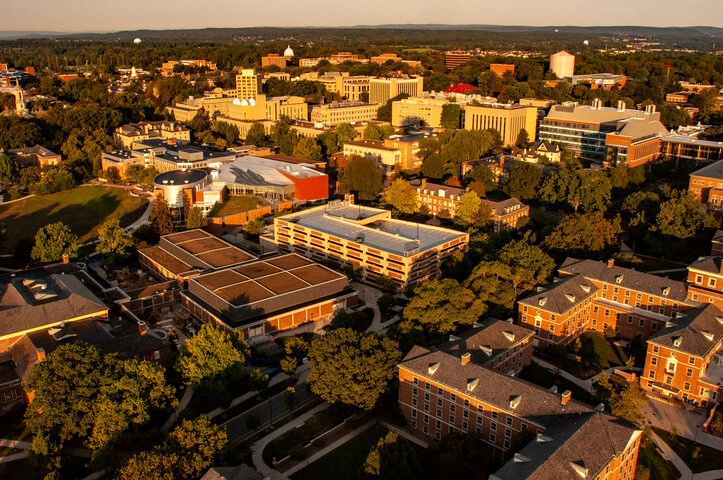
Why Study in Italy?
Study in Italy offers international students access to a diverse higher-education system, a wide range of academic disciplines, English-taught programmes, cultural heritage and opportunities to experience life in one of Europe’s major education destinations.
Diverse Higher Education System
Italy has public universities, recognised private universities and specialised higher-education institutions offering programmes across many academic disciplines.
English-Taught Programmes
International students can find English-taught programmes in a range of academic fields, alongside programmes delivered in Italian.
Wide Range of Academic Fields
Students can explore areas such as engineering, science, medicine, business, humanities, arts, design and other specialised disciplines.
Tuition Fee Options
Tuition fees vary by institution and programme. Public universities generally have different fee structures from private institutions, with some students also eligible for fee reductions or exemptions.
Scholarship Opportunities
International students may be able to explore government scholarships, university funding and regional financial support, depending on eligibility and the programme selected.
Research & Innovation
Italian universities and research institutions offer opportunities across scientific, technological, medical and other research areas, including postgraduate study.
Culture, Art & Heritage
Studying in Italy can also provide opportunities to experience the country’s architecture, museums, artistic traditions, historic cities and cultural life.
Italian Language & International Experience
International students can develop Italian language skills while studying in a multicultural academic environment and interacting with students from different backgrounds.
Important: Admission requirements, tuition fees, language requirements, scholarships and visa procedures can differ by university, programme and student nationality. Always check the chosen institution and the official Italian study portal for the latest requirements before applying.
Official Resources: Study in Italy | Universitaly
Costs & Budgeting for Studying in Italy
Planning a realistic budget can help international students manage tuition, accommodation, daily expenses and other study-related costs while studying in Italy.
Tuition Fees
Tuition fees vary according to the university, programme and student circumstances. Public universities may use different fee structures, so students should check the official institution for current charges.
Accommodation
Housing costs depend on the city, neighbourhood, accommodation type and whether students live alone or share with others. Shared accommodation can be one option for managing monthly expenses.
Food & Daily Expenses
Grocery shopping, student canteens, cooking at home and comparing supermarket prices can help students manage everyday food expenses more effectively.
Transport Costs
Public transport, walking and cycling can all form part of a student’s daily travel plan. Local student concessions may also be available depending on eligibility and transport provider.
Study & Other Costs
Students should also budget for books, course materials, insurance, mobile services, personal expenses and other programme-related costs.
Part-Time Work
Eligible students with a study residence permit may work subject to Italian immigration rules. For subordinate employment, the general limit is 20 hours per week and 1,040 hours per year.
📊 Practical Budgeting Tips for International Students
Keep a simple record of rent, food, transport and personal expenses.
Compare location, rent, utilities, deposits and contract conditions before choosing accommodation.
Planning meals and comparing supermarket prices can help control everyday spending.
Set aside funds for unexpected travel, medical, academic or personal expenses.
Explore university, regional and merit-based funding opportunities where eligible.
Used textbooks, furniture and other suitable items can sometimes reduce setup costs.
Budget planning note: Living expenses can vary substantially between cities and individual lifestyles. Before travelling, students should prepare a monthly budget based on their actual tuition, accommodation, transport and personal expenses rather than relying on a single national estimate.
Explore the Italy guide to understand tuition fees, scholarships, accommodation, visas and student life before planning your study journey.
Explore Italy Study Guide →Official Reference: Universitaly – Italian Higher Education Portal
Admissions & Top Italian Universities
Admission requirements in Italy vary by university, degree programme and applicant profile. International students should check the specific course requirements, application deadlines, documents and admission procedures before applying.
Choose the Right Programme
Compare programmes carefully, including entry requirements, teaching language, tuition fees, admission tests and application deadlines.
Admission Tests
Some programmes may require specific admission or entrance tests. Examples include IMAT for certain medicine pathways and TOLC tests used by participating institutions and programmes.
Applications & Deadlines
Application timelines differ between institutions and programmes. Visa-required international students should also allow sufficient time for university pre-enrolment and visa procedures.
Required Documents
Depending on the programme, applicants may need academic transcripts, qualification documents, passport or identity documents, language evidence and other supporting materials.
Language Requirements
Language requirements depend on the teaching language and programme. Applicants should check whether Italian or English proficiency evidence is required by their chosen institution.
Academic Eligibility
Universities assess foreign qualifications and determine whether applicants meet the academic requirements for the selected programme.
🏛️ Well-Known Italian Universities
Known for programmes in engineering, architecture and design.
A major public university offering programmes across multiple academic fields.
A historic university with a broad range of academic programmes.
Important: Visa-required international students generally complete a university pre-enrolment procedure through Universitaly after following the admission process specified by their chosen institution. The university's own requirements, deadlines and document list should always be checked before submission.
Check the official Italian study portal for courses, admission information and pre-enrolment procedures.
Visit Study in Italy →Official References: Study in Italy | Universitaly
Visa, Intakes & Documents for Study in Italy
International students planning to study in Italy should prepare their admission, visa, financial, accommodation and insurance documents well in advance. Requirements can vary by nationality, programme and Italian diplomatic mission.
Student Visa
Students who require a visa for studies in Italy generally need the appropriate study visa. For university enrolment involving a stay of more than 90 days, this is generally a national Type-D study visa.
Universitaly Pre-Enrolment
Non-EU applicants living outside Italy who need a study visa for higher-education enrolment may need to complete the required pre-enrolment procedure through the Universitaly portal.
Admission & Enrolment Documents
Keep your university admission or enrolment documentation, academic qualifications and any additional documents requested by the institution ready for the visa process.
Proof of Financial Means
Applicants must demonstrate adequate financial resources for their stay. The required amount and acceptable evidence should be checked against the current Italian visa guidance applicable to the applicant.
Accommodation Proof
Visa applicants may need evidence of suitable accommodation in Italy, such as an eligible accommodation booking, rental arrangement or declaration of hospitality, depending on the applicable checklist.
Health Insurance
Appropriate medical insurance or healthcare coverage may be required for the visa application. Students should follow the insurance conditions specified by the competent Italian diplomatic mission.
Intakes & Application Deadlines
Application and visa deadlines vary by university, programme and academic year. September is a common intake, while additional start dates may be available for selected programmes. Always check the institution and Universitaly for current dates.
Academic & Language Requirements
Depending on the programme, applicants may need academic transcripts, qualification documents, language evidence, entrance tests, portfolios or other programme-specific materials.
📍 After Arrival in Italy
Students entering Italy with a long-stay study visa must follow the applicable residence-permit procedure after arrival. According to Italy's Ministry of Foreign Affairs, the application for a stay permit should be made within 8 days of entering Italy. The permit is then subject to the applicable renewal requirements.
💼 Work & Immigration Compliance
Student work rights are subject to Italian immigration and employment rules. Students should check the conditions attached to their residence status before starting employment and should keep copies of important immigration, academic and financial documents.
✅ Italy Student Visa Document Checklist
Important: Visa requirements, financial thresholds, document checklists and application deadlines can change. Applicants should verify the latest requirements with the Italian Embassy or Consulate responsible for their place of residence and with the official Universitaly and Italian Ministry of Foreign Affairs resources before submitting an application.
Start preparing your Italy study application early and keep every required document organised.
Visit Universitaly →Official References: Italian Ministry of Foreign Affairs – Study in Italy
Work, Internships & Careers in Italy
International students in Italy can explore part-time work, internships, university career services and graduate opportunities while developing academic and professional experience.
Part-Time Work
Eligible international students may work part-time subject to Italian immigration and employment rules. Students should check the conditions attached to their residence status before accepting employment.
Internships & University Support
University career offices and internship services can help students identify placements, prepare applications and connect academic study with practical workplace experience.
Industry & Career Opportunities
Career opportunities can vary by region and sector, with areas such as fashion, tourism, engineering, manufacturing, robotics, technology and business offering different types of roles.
CV, Portfolio & Interview Skills
A clear CV, relevant portfolio and strong interview preparation can help students present their academic projects, internships and technical skills to potential employers.
Networking & Career Fairs
Career fairs, alumni networks, university events and professional platforms can help students build contacts and learn about internships and employment opportunities.
Italian Language Advantage
Italian language skills can be useful when applying for internships, communicating in workplaces and accessing opportunities where employers require or prefer Italian.
Digital Job Search
Students can use university career portals, LinkedIn and other employment platforms to search for internships and graduate roles that match their qualifications and experience.
Post-Study Career Pathways
Graduates who want to remain in Italy should review the immigration rules and residence-permit options that may apply after completing their studies.
🎯 Career Preparation Checklist
- Build a clear and up-to-date CV.
- Create a portfolio for relevant academic or creative fields.
- Develop Italian language skills where useful for your target role.
- Use university career services and internship offices.
- Attend career fairs and professional networking events.
- Keep LinkedIn and other professional profiles updated.
- Understand employment contracts, taxation and applicable work rules.
- Align projects, internships and thesis work with your career interests where appropriate.
Important: Work rights, internship conditions, employment contracts and post-study residence options can depend on your nationality, residence status, programme and current Italian regulations. Always verify the applicable requirements with official Italian authorities and your university before making employment or immigration decisions.
Explore the Italy Study Guide to learn more about courses, universities, costs, visas, student life and career planning.
Explore Italy Study Guide →📚 Academic Benefits of Study in Italy
Study in Italy can offer international students a combination of established university traditions, modern academic programmes, practical learning and opportunities for international study and research.
Established Universities
Italy has a long university tradition alongside contemporary degree programmes and teaching approaches across different academic fields.
Arts, Design & Humanities
Students can explore academic programmes connected with art, design, architecture, literature, history and other humanities disciplines.
Engineering & Science
Universities offer programmes in engineering, natural sciences, technology and related fields, with opportunities for laboratory and research-based learning.
International Opportunities
Eligible students may access international mobility opportunities, including exchange and study-abroad programmes available through their institution.
Research & Practical Learning
Depending on the programme, students may gain experience through research projects, practical coursework, laboratories, internships or other applied learning activities.
Digital & Modern Learning
Many programmes incorporate digital learning platforms, online academic resources and technology-supported teaching alongside classroom-based study.
Flexible Academic Choices
International students can choose from a range of undergraduate, postgraduate and research programmes, subject to the entry requirements of each institution.
Scholarships & Funding
Eligible international students may find scholarships, tuition reductions and other funding opportunities offered by universities, regions or other organisations.
Academic planning tip: Programme structure, teaching methods, language of instruction, entry requirements, tuition fees and available mobility opportunities can differ between institutions. Always check the official university or programme page before applying.
Explore available courses and compare academic options before choosing a programme in Italy.
Explore Study Options →Living Experience While Studying in Italy
Living in Italy as an international student can involve a combination of academic life, local culture, food, transport, community activities and opportunities to explore different parts of the country.
Student Accommodation
International students may choose from shared housing, student residences, private rentals or other accommodation options depending on the city and institution.
Italian Food & Cuisine
Italian cuisine is an important part of everyday life, with students able to experience regional dishes, cafés, markets and different food traditions across the country.
Public Transport
Buses, trains, trams and metro services are available in many Italian cities, while student or youth travel concessions may be available depending on the local transport provider.
Culture & Festivals
Students can experience local festivals, music, art events, historic sites and cultural activities that vary considerably between Italian regions and cities.
Cafés & Social Life
Cafés, public spaces, student associations and community activities can provide opportunities to socialise and meet people from different backgrounds.
Historic & Cultural Surroundings
Many Italian cities offer access to historic buildings, museums, galleries, archaeological sites and other cultural attractions as part of everyday life.
Markets & Daily Shopping
Local markets, supermarkets and neighbourhood shops give students different options for buying groceries and everyday essentials.
Art, Music & Events
Italy's cultural environment includes concerts, exhibitions, theatre, local events and creative activities that students may encounter throughout the year.
Sports & Recreation
Football and other sports are part of Italian culture, while universities and local communities may offer sports clubs and recreational activities.
Exploring Italy & Europe
Students can explore different Italian regions and, where immigration status and travel requirements permit, travel to other European destinations.
Regional Landscapes
Italy offers varied landscapes, including coastal areas, mountains, lakes and countryside, giving students different options for weekend and holiday activities.
International Student Community
Universities and student communities can bring together learners from Italy and other countries, creating opportunities for cultural exchange and shared activities.
Practical note: Living costs, accommodation availability, transport options and student discounts can vary significantly by city and region. International students should check current information with their university and relevant local service providers before making financial or accommodation decisions.
Explore the Italy guide for information about tuition fees, accommodation, visas, student life and other study-related requirements.
Continue Italy Guide →Italian Higher Education Structure
Italy's higher education system follows a structured cycle-based framework, with undergraduate, master's and doctoral pathways. The system uses CFU credits equivalent to ECTS, supporting academic progression and credit recognition across the European Higher Education Area.
First Cycle – Laurea
The standard first-cycle degree normally lasts 3 years and requires 180 CFU. Students complete the required academic activities and normally prepare and discuss a final thesis.
Second Cycle – Laurea Magistrale
A standard master's degree generally lasts 2 years and requires 120 CFU. It provides more specialised and advanced study after completion of a first-cycle degree.
Third Cycle – Doctoral Studies
Doctoral programmes focus on advanced research. Italian doctoral programmes normally last at least 3 years and lead to an original research thesis and the PhD qualification.
🎯 CFU & ECTS Credits
Italian CFU credits are equivalent to ECTS. One CFU corresponds to one ECTS credit.
📊 30-Point Grading Scale
University examinations in Italy commonly use a grading scale based on 30 points, with honours possible in applicable cases.
🧪 Practical Learning
Depending on the programme, academic credits may include lectures, laboratories, projects, internships and other recognised learning activities.
📚 Thesis & Final Assessment
Thesis or final research requirements apply to many degree pathways, with exact requirements determined by the programme.
🌍 European Academic Mobility
The ECTS framework supports the recognition and transfer of study credits and facilitates student mobility across the European Higher Education Area.
🔬 Research Pathways
Students progressing to doctoral study undertake advanced research and develop an original research thesis.
Important: Programme duration, admission requirements, examinations, internships, thesis requirements and other academic conditions can vary by institution and degree programme. Always check the specific course information published by the university.
Official Reference: Universitaly – Italian Higher Education System | EHEA – ECTS
Part-Time Work & Opportunities in Italy
International students in Italy may work part-time while studying, subject to the conditions of their study residence permit and applicable Italian employment regulations. Students can also explore internships, university career services and employment pathways after graduation.
Part-Time Work Rules
A study residence permit allows eligible international students to undertake subordinate part-time employment for up to 20 hours per week, with an annual limit of 1,040 hours.
Common Student Jobs
Depending on location, language skills and employer requirements, students may explore opportunities in areas such as hospitality, retail, customer service, administration and other suitable part-time roles.
Internships & Career Services
Universities and higher-education institutions may provide career guidance, internship opportunities, employer events and other services that support students in developing academic and professional skills.
Professional Career Fields
After developing the required qualifications and skills, international graduates may explore professional opportunities in fields such as information technology, engineering, business, design, research and other specialised areas.
Residence & Employment Compliance
Students should keep their residence documents and employment records up to date and make sure that their work remains within the conditions attached to their immigration status.
Post-Study Employment Pathways
Eligible graduates may be able to convert a valid study residence permit into a work-related residence permit or use the available job-search pathway after completing qualifying studies in Italy, subject to current legal requirements.
Key Work Rule: A study residence permit permits subordinate part-time employment for up to 20 hours per week and 1,040 hours per year. If a student wants to undertake work beyond the permitted limits, the relevant residence-permit conversion requirements must be followed.
After Graduation: Italian government guidance provides routes for eligible graduates to seek employment or convert their study residence status, depending on the qualification obtained, employment situation and applicable immigration requirements.
Explore the Italy study guide for information about admission, visas, tuition fees, universities, student life and post-study options.
Explore Study in Italy →Official References: Italian Ministry of Foreign Affairs – Study in Italy | Italian Government – Immigration Information
Scholarships & Funding for Study in Italy
International students planning to Study in Italy can explore government scholarships, regional financial support, university-based awards, tuition reductions and other funding opportunities. Eligibility, benefits and deadlines vary by programme and institution.
Italian Government Scholarships
The Italian Ministry of Foreign Affairs and International Cooperation (MAECI) offers scholarships for eligible foreign students and Italian citizens living abroad. The 2026–2027 call covers selected study, training and research opportunities in Italy.
Regional Scholarships & Grants
Italian regions and regional education bodies may provide financial support based on eligibility criteria that can include family income, academic requirements and student status. Requirements differ by region and should be checked in the relevant annual call.
University Scholarships
Italian universities may offer their own scholarships, tuition reductions or other forms of financial support. Awards can be linked to academic merit, programme requirements or other eligibility conditions set by the institution.
Income-Based Financial Support
Some regional and university-based benefits use financial documentation to assess eligibility. International students may need specific documentation relating to their family and financial circumstances, depending on the relevant authority.
Erasmus+ & European Funding
Eligible students may also explore Erasmus+ opportunities and other European funding programmes. Availability depends on the programme, institution, study level and specific eligibility requirements.
Research & Merit-Based Funding
Master's, doctoral and research students can investigate university research funding, merit-based awards and specialised scholarship programmes. Conditions differ significantly between institutions and fields of study.
📋 Funding Checklist for International Students
Important: Scholarship availability, eligibility, award amounts and application deadlines can change each academic year. Some Italian government and regional benefits may also have specific rules on combining different forms of funding. Always check the latest official call before applying.
🔗 Official Scholarship Resources
Compare tuition costs, admission requirements and funding opportunities before selecting your study destination and programme.
Explore the Italy Study Guide →Global Recognition with Study in Italy
Study in Italy offers access to a European higher-education system connected with the Bologna Process and the European Higher Education Area. Italian universities use the CFU credit system, which is equivalent to ECTS, supporting academic transparency and mobility across participating European institutions.
European Higher Education Framework
Italian higher education operates within the European Higher Education Area, with degree structures and academic frameworks connected to the Bologna Process.
Bologna Process & Degree Structure
The Bologna framework supports comparable higher-education structures, academic mobility and recognition of qualifications and study periods across participating European systems.
ECTS-Compatible Credits
Italian universities use CFU credits, which the official Study in Italy portal identifies as equivalent to ECTS. This system helps make academic workload and study periods easier to understand across Europe.
International Academic Mobility
The European credit and qualification framework can support academic mobility, although recognition of a specific qualification or credit remains subject to the receiving institution and applicable rules.
Opportunities for Further Study
Graduates may use an Italian qualification when applying for further study abroad, but admission and qualification recognition requirements are determined by the university or institution receiving the application.
International Study Pathways
Students can explore European mobility and international academic opportunities through institutional partnerships, exchange programmes and initiatives such as Erasmus+, subject to eligibility and programme availability.
Established University Tradition
Italy has a long-established university tradition, with institutions such as the University of Bologna and the University of Padua forming part of the country's historic higher-education landscape.
Academic & Professional Development
Italian higher education includes universities and specialised institutions across fields such as engineering, technology, business, arts, design, science and research, giving students multiple academic pathways.
Important: European academic frameworks can support mobility and recognition, but they do not mean that every Italian qualification is automatically accepted for every university, profession or country. Always check the recognition and admission requirements of the institution or professional authority concerned.
Explore your options and check the official course, admission and qualification information before applying.
Explore Study in Italy →Official References: Study in Italy – Italian Higher Education System | European Education Area – Bologna Process
Structure of Italian Education System
The Italian higher-education system includes first-cycle, second-cycle and research-level programmes, with degree structures based on academic progression, credits and different types of higher-education institutions.
First & Second Cycle Degrees
- First-cycle programmes generally lead to a Laurea degree.
- Many first-cycle programmes are structured over three years.
- Second-cycle programmes generally lead to a Laurea Magistrale.
- ECTS credits are used within the European higher-education framework.
Doctoral & Research Studies
- Doctoral programmes represent the research-focused third cycle.
- Admission normally requires an appropriate higher-education qualification.
- Research and thesis work form important parts of doctoral study.
- Italian universities participate in national and international research activities.
Teaching & Assessment
- Teaching methods vary according to the university and programme.
- Assessment can include examinations, coursework and practical activities.
- Laboratory or project-based learning may form part of relevant programmes.
- Some degree programmes include a final thesis or project.
Types of Institutions
- Italy has public and legally recognised non-state universities.
- The system also includes specialised higher-education institutions.
- Polytechnic universities focus strongly on technical and design-related fields.
- Italy also has recognised telematic universities offering online programmes.
Language & European Mobility
- Programmes may be taught in Italian, English or both, depending on the course.
- ECTS credits support academic recognition within the European framework.
- Eligible students may participate in Erasmus+ mobility opportunities.
- International students should check the language requirements of each programme.
Research & Career Preparation
- Universities may provide career guidance and student support services.
- Research institutions contribute to scientific and technological development.
- Some programmes include practical, laboratory or project-based learning.
- Innovation and entrepreneurship initiatives are available at some institutions.
Key takeaway: Italy's higher-education system is organised around first-cycle, second-cycle and doctoral-level study, supported by ECTS credits and a range of public, private and specialised institutions. Exact programme structure, admission requirements and assessment methods can vary by university and course.
Ministry of University and Research (MUR), Italy
The Italian Ministry of University and Research (MUR) provides official information on Italy's university and higher-education system, institutions, academic programmes and research.
Visit Official MUR Education Source →Explore the official Italian higher-education information before choosing a university or programme.
Explore Italian Higher Education →Student Life & Communities in Italy
Study in Italy can offer international students opportunities to participate in campus activities, student organisations, cultural events and academic communities. The experience can vary by university, city and individual interests.
Student Organisations
Universities may offer student associations, academic groups and interest-based clubs where students can connect with peers and participate in campus activities.
International Student Support
International offices and student services can help newcomers understand university procedures, accommodation arrangements, academic services and everyday student life.
Cultural Exchange
International students can experience Italian culture while meeting classmates from different countries through university events, language activities and social initiatives.
Arts, Music & Events
Depending on the university and city, students may find opportunities to attend cultural events, exhibitions, performances, music activities and local festivals.
Sports & Recreation
University sports facilities, recreational activities and student clubs can provide ways to stay active and build connections outside the classroom.
Academic & Career Networking
Students may have access to career services, workshops, seminars, academic networking activities and events that support professional development.
🌟 Ways to Get Involved
Important: Student clubs, facilities, events, support services and extracurricular activities vary between universities and cities. International students should check their chosen institution's official website for current information and eligibility requirements.
Explore more about courses, universities, costs, admissions and student life before planning your study journey.
View Application Process →Career & Research Opportunities in Italy
Italy offers opportunities for international students across academic research, internships, technology, engineering, design, business and other professional fields. Opportunities vary by course, institution, location and individual eligibility.
Technology & Data
Students in computing, artificial intelligence, data science and related fields can explore academic projects, internships and career opportunities depending on their programme and location.
Engineering & Industry
Italy has established industrial sectors including automotive, manufacturing, engineering and advanced technology, creating opportunities for students and graduates with relevant skills.
Fashion & Design
Italy has a strong international profile in fashion, product design, architecture and creative industries, with major academic and professional activity in cities such as Milan.
Research & Innovation
Universities and research institutions participate in scientific and innovation projects across areas such as biotechnology, engineering, technology, health and environmental research.
Internships & Career Services
Depending on the institution and programme, students may access internships, career guidance, employer events and other services designed to support professional development.
European Mobility
Students may have access to European academic and mobility programmes, including Erasmus+ opportunities, subject to the eligibility and participation rules of their institution.
📈 Building a Career After Graduation
Career outcomes depend on the graduate's qualification, skills, Italian or other language ability, professional experience, employer requirements and applicable immigration rules. Students planning to remain in Italy or move elsewhere in Europe should check the relevant post-study residence and employment conditions before making career decisions.
Explore your study options, career pathways and opportunities before choosing a programme in Italy.
Explore Application Process →Accommodation Options while Studying in Italy
International students in Italy can choose from university residences, private shared apartments, rooms and other housing arrangements. Availability, eligibility and costs vary by university, city and location, so students should check accommodation options early.
University Residences
Many Italian universities provide information about student residences, dormitories and other university-managed housing facilities. Availability and admission conditions vary by institution.
Private Shared Apartments
Shared apartments and private rooms are common alternatives for students. Sharing accommodation with other students can help divide rent and household expenses.
Accommodation Costs
Housing costs vary significantly according to the city, neighbourhood, property type and distance from the university. Students should compare current local rental options before choosing accommodation.
Shared Living & Co-Living
Shared living arrangements can provide opportunities to interact with other students and may offer practical access to common household facilities and study spaces.
Location & Transport
When comparing housing, consider the distance to your university, access to public transport, nearby shops and everyday services. A suitable location can make daily travel more convenient.
Rental Documents
Rental arrangements may require identification and other documents. International students should carefully review the lease, payment terms and required documentation before signing.
Important: For non-EU students, proof of housing can be relevant to the residence-permit process. Accommodation procedures and documentation can vary, so students should follow the instructions provided by their university and the relevant Italian authorities.
🎯 Practical Accommodation Checklist
- Check university-managed accommodation before arrival.
- Compare private rooms and shared apartments carefully.
- Check the distance and transport connections to campus.
- Review rent, deposits, utilities and other charges.
- Read the rental agreement before signing.
- Keep copies of important housing documents.
- Start your accommodation search as early as practical.
Explore official accommodation information and university housing options before planning your move to Italy.
Check Accommodation Options →Official References: Universitaly – Accommodations | Study in Italy – Accommodation & Residence Information
Healthcare & Insurance during Study in Italy
International students should arrange appropriate healthcare coverage before and during their studies in Italy. The exact requirements can depend on nationality, immigration status, study duration and the type of healthcare coverage available to the student.
Health Insurance
Non-EU students may need valid health insurance or recognised healthcare coverage to meet Italian visa and residence requirements.
SSN Registration
Eligible international students may be able to register with the Italian National Health Service (SSN), subject to the applicable rules and registration requirements.
Doctors & Medical Services
Depending on their healthcare coverage, students can access medical services such as general practitioners, specialist care and hospital services.
EU & EEA Students
Eligible EU/EEA students may use the European Health Insurance Card (EHIC) for medically necessary healthcare during a temporary stay, subject to applicable conditions.
Medicines & Prescriptions
Students should carry prescriptions and relevant medical documents when appropriate. The cost and reimbursement of medicines can depend on the medicine, prescription and healthcare coverage.
Documents & Registration
Keep your insurance documents, passport, residence-permit documents and healthcare registration records safely available for administrative or medical purposes.
✅ Healthcare Checklist for International Students
- Check the healthcare requirements that apply to your nationality and visa.
- Arrange appropriate health insurance before travelling to Italy when required.
- Check whether SSN registration is available and suitable for your situation.
- Keep your insurance and immigration documents accessible.
- Check your university's student-health guidance after arrival.
- For emergencies, use the appropriate Italian emergency services.
Important: Healthcare, insurance, SSN registration and residence requirements can change and may differ according to nationality and immigration status. Students should confirm the latest requirements with the relevant Italian authorities, their university and their insurance provider before travelling.
Planning to study in Italy? Review your visa, accommodation, finances and healthcare arrangements before departure.
View Visa Requirements →Official References: Italian Ministry of Health | Italian Ministry of Foreign Affairs
Extracurricular Activities & Student Life in Italy
Student life in Italy can extend beyond the classroom through university clubs, sports, cultural activities, volunteering and opportunities to connect with students from different backgrounds.
Music, Drama & Cultural Clubs
Students can explore music, drama, performing arts and cultural clubs as part of their university experience.
Sports & Recreation
University sports activities can provide opportunities to stay active, meet other students and participate in organised events.
Technology & Coding Communities
Students interested in technology may find coding groups, innovation activities, technology events and other academic communities.
Language Exchange
Language exchange groups can help international students practise Italian, communicate with peers and learn about different cultures.
Volunteering & Community Activities
Depending on the university and local organisations, students may find volunteering opportunities that support community engagement and personal development.
Photography & Arts
Photography, visual arts and creative groups can give students opportunities to develop their interests and share creative work with others.
Food & Cooking Activities
Food-related clubs and social activities can introduce students to Italian cuisine while creating opportunities for informal interaction.
Festivals & University Events
Universities may organise cultural days, student events and other activities that bring together local and international students.
International Student Activities
International-focused activities can help students meet people from different countries and exchange perspectives, languages and traditions.
Networking Through Student Activities
Clubs, societies and university events can help students build social connections and develop communication and teamwork skills.
Student tip: The availability of clubs, societies, sports, volunteering and other extracurricular activities varies by university and location. International students should check their institution's current student-services and activities pages before making plans.
Explore more about academic life, student support and everyday experiences while studying in Italy.
Explore Student Life →Travel & Lifestyle Opportunities in Italy
Studying in Italy can give international students opportunities to experience different cities, cultural activities, transport networks and destinations across the country and wider Europe.
Rail & Public Transport
Italy has rail and public transport networks that allow students to travel between major cities and explore different regions during their studies.
Student Travel Benefits
Depending on the city and transport provider, students may be able to access reduced fares, student passes or other transport benefits.
European Travel
Italy's location in Europe can make travel to other European destinations possible, subject to visa, residence-permit and entry requirements.
History, Museums & Heritage
Students can explore Italy's museums, historic sites, galleries and cultural heritage, with some venues offering student or reduced-price admission.
Diverse Italian Landscapes
Depending on their location, students can experience coastal areas, historic towns, countryside and mountain regions across different parts of Italy.
Festivals & Cultural Activities
Local festivals, exhibitions, performances and cultural events can provide additional ways for international students to engage with Italian communities.
Food & Everyday Lifestyle
Italian food culture is an important part of everyday life, with students able to experience regional dishes, local markets, cafés and different dining options.
Weekend & Regional Exploration
Students can use weekends and academic breaks to explore destinations within Italy, depending on their budget, schedule and location.
Student lifestyle note: Travel and leisure costs vary by destination, season and personal spending habits. International students should plan transport, accommodation, food and travel expenses alongside their academic budget.
Explore more about courses, student life, living costs and opportunities in Italy.
Explore Study in Italy →Research, Innovation & Conclusion – Study in Italy
Italy combines established universities and research institutions with growing activity in emerging technologies, international research partnerships and technology transfer. For international students, this can provide opportunities to explore academic research alongside Italy's wider education and innovation ecosystem.
Research & Emerging Technologies
Italian research programmes cover a broad range of disciplines, including digital technologies, artificial intelligence, health and biotechnology, engineering, physical sciences and other research areas.
Research & Industry Collaboration
Italy's 2026–2028 strategic direction places greater emphasis on connecting universities, research organisations and businesses through knowledge valorisation and technology transfer.
European Research Opportunities
Italian researchers and institutions participate in European research initiatives. Horizon Europe provides a major EU framework for collaborative research and innovation across Europe.
Innovation & Technology Transfer
Current national initiatives aim to strengthen the movement of research results from universities and research centres towards practical applications, innovation and entrepreneurship.
Research Funding & Partnerships
Italy's 2026 research planning includes national funding for universities and research institutions, alongside support for international partnerships and participation in European research programmes.
Academic & International Environment
Italy offers international students access to universities, research institutions and European academic networks across a wide range of disciplines and study levels.
🎯 Conclusion: Is Italy Worth Considering for International Students?
Study in Italy can provide access to established universities, diverse academic programmes, European research networks and an evolving innovation ecosystem. Students should compare tuition fees, admission requirements, available programmes, scholarships, living costs and immigration conditions before making a study decision.
Italy's official Study in Italy portal notes that tuition fees vary by institution, programme and other factors, while scholarships and fee exemptions may be available depending on eligibility. Always verify current requirements directly with the chosen university and official authorities.
Planning to study abroad? Use our free checklist to organise your research, applications, documents and next steps.
📥 Download Free Study Abroad Checklist →Official References: Study in Italy | Italian Ministry of University and Research | Horizon Europe
Study in Italy – Official & Related Resources
Use these trusted resources to find official information about applications, visas, scholarships, residence procedures and related study-abroad guides.
Official Italy Resources
More Study in Italy Guides
Related Study Abroad Guides
Important: Immigration rules, application procedures, scholarship availability and residence requirements can change. Always verify current requirements with the relevant Italian government authority, university or official institution before applying.
Understand Study in Italy Information Before Making Decisions 📢
Before using Study Silently, students should carefully understand that our Study in Italy content is provided for general educational and informational purposes. University admission requirements, tuition fees, scholarships, visa rules, financial requirements, health insurance, employment regulations, residence requirements, and other study abroad conditions can change and may vary by university, programme, region, and individual circumstances. Always verify important information with the relevant university and official Italian authorities before making study, financial, visa, residence, or travel decisions.
📥 Download Study Abroad Starter ChecklistYou can also explore important Study Silently informational pages below:
Stay Updated With Study in Italy Guidance
Get Italy study updates, scholarship information, student visa guidance, university resources and practical tips to help you plan your studies in Italy.
📩 Join the Study in Italy Community
Helpful Study in Italy guidance for international students.