STUDY IN JAPAN

Study in Japan – 2026

Study in Japan and gain a world-class education, affordable tuition, scholarships, and exciting career opportunities. Discover top universities, student visas, living costs, and everything you need to start your journey in Japan.

🎓 Explore Japan Guide
YOUR INTERNATIONAL EDUCATION GUIDE

Introduction to Study in Japan

Japan has become a notable destination for international students interested in advanced technology, academic research, cultural discovery and globally relevant education. From modern university campuses to traditional communities, the country offers a distinctive environment for learning and personal development. For students exploring Study in Japan, understanding the education system, admission requirements and everyday student experience is an important first step.

Japanese universities and other higher education institutions offer programmes across a wide range of disciplines, including engineering, business, science, information technology, humanities and social sciences. Depending on the institution and course, students may find programmes taught in Japanese, English or a combination of languages.

Beyond academics, international students can experience Japan's regional diversity, public transport systems, cultural traditions, modern cities and campus communities. The overall experience depends on the university, location, language ability, personal interests and financial circumstances.

🎓

Academic Opportunities

Explore undergraduate, postgraduate, research and specialised programmes across a broad range of academic fields.

🔬

Research and Innovation

Learn about research-focused institutions, technology-related programmes and opportunities for academic collaboration.

🌸

Culture and Student Life

Discover local traditions, seasonal festivals, student clubs, campus events and opportunities to connect with different communities.

🌏

International Experience

Develop cross-cultural communication skills and gain experience in a new academic and social environment.

Planning insight: Choosing a study destination involves more than selecting a university. Compare course content, language requirements, tuition fees, living expenses, scholarships, visa procedures and future career goals before making a decision.

What This Study in Japan Guide Covers

This guide is designed to help international students understand the major stages of planning and preparing for higher education in Japan.

✓ Why students consider Japan for higher education
✓ Top universities, academic programmes and research opportunities
✓ Tuition fees, living costs and scholarship options
✓ Admission procedures, eligibility and application preparation
✓ Student visa, immigration and relevant official procedures
✓ Accommodation, transportation and everyday student life
✓ Health insurance, safety and student support resources
✓ Career planning, work opportunities and long-term pathways

Begin Exploring Your Japan Study Journey

Whether you are comparing destinations, researching universities or preparing an application, use this guide to explore the key information step by step and identify the official resources relevant to your plans.

Visit the Official Study in Japan Portal
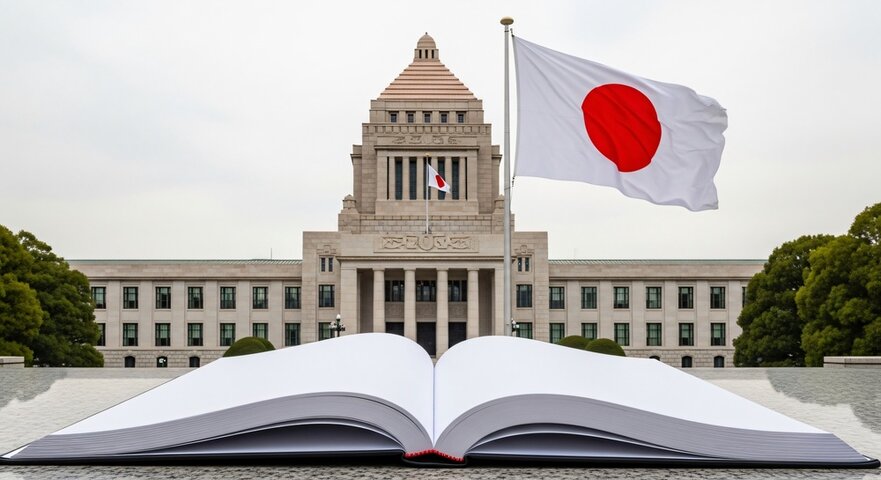
Study in Japan guide featuring Japan's national flag, a government building, and an open book representing higher education opportunities.
🇯🇵 International Study Destination

🎓 Why Choose Japan for International Study?

Study in Japan can offer international students access to a wide range of academic programmes, research opportunities, cultural experiences and career-related pathways. The right choice depends on your course, institution, language requirements, budget and long-term goals.

🎓

Wide Range of Academic Programmes

Students can explore universities, graduate schools, junior colleges, specialised training colleges and Japanese language institutions across different fields of study.

🔬

Research & Innovation Opportunities

Japan provides study and research opportunities across areas such as science, engineering, technology, medicine, business, humanities and other academic disciplines.

🌏

International Student Environment

International students can study alongside learners from different countries and use official resources to search for programmes and institutions suited to their academic interests.

🗣️

Japanese & English Study Options

Programme language varies by institution and course. Some programmes are available in English, while Japanese-language study can also be an important part of the academic experience.

💻

Technology & Industry Exposure

Depending on the institution and programme, students may have access to laboratories, practical projects, internships, career services and connections with industry or research organisations.

💼

Career & Internship Opportunities

Universities may provide career guidance, job-search support and internship opportunities. Students should check the requirements attached to their residence status and programme.

💰

Scholarships & Tuition Support

International students can explore MEXT scholarships, JASSO support, university scholarships, tuition reductions and other financial-aid opportunities, subject to eligibility.

🧑‍💻

Part-Time Work Options

Eligible students may work part-time after obtaining the required permission. The standard limit is up to 28 hours per week, with different limits during long school holidays.

🚆

Transport & Everyday Connectivity

Japan offers extensive public transportation networks, making it possible for students to travel between campuses, residential areas and different parts of the country.

🎌

Culture, Language & Daily Life

Studying in Japan can provide opportunities to experience Japanese language, food, traditions, arts, seasonal events and contemporary culture alongside academic life.

🏫

Campus Resources & Student Support

Depending on the institution, students may have access to libraries, laboratories, language support, career services, international student offices and other campus facilities.

🌱

Personal & Academic Development

Living and studying abroad can involve adapting to a different academic system, developing language skills, building international connections and becoming more independent.

Important: Programme availability, language of instruction, scholarships, employment permissions and other student benefits can vary by institution, programme and immigration status. Always confirm the latest requirements with the relevant university and official Japanese authorities before making a decision.

🇯🇵 Study in Japan 2026

Study in Japan 2026 – Student Video Guide

Get a visual introduction to studying in Japan, including university life, international student experiences, campus environments and the wider study-abroad experience.

Official Video: Study in Japan – Official PR Movie by MEXT

Published by the Ministry of Education, Culture, Sports, Science and Technology (MEXT), Japan.

🔎 More Study in Japan Videos to Search on YouTube

Students can use the following plain-text search phrases on YouTube to explore different aspects of studying and living in Japan.

Study in Japan 2026
Study in Japan for International Students
Japan University Life for International Students
Student Life in Japan
Japanese Universities for International Students
English Taught Programs in Japan
Japan Student Accommodation
Cost of Living in Japan for Students
Scholarships to Study in Japan
MEXT Scholarship for International Students
Part-Time Jobs for Students in Japan
International Students in Japan
🎓 Admissions Roadmap

Study in Japan — Admission & Application Process

Planning your admission carefully can make the process much easier. International students should check university-specific eligibility, required examinations, application documents, deadlines and admission procedures well in advance.

🏫

Study in Japan — Choose Your School

Start by identifying universities, junior colleges, professional training colleges or other institutions that match your academic goals. Review the programme, language of instruction, tuition, admission requirements and application schedule before making your choice.

Key step: Always check the university's own admissions guidelines because requirements can differ between institutions and programmes.
📋

Study in Japan — Check Eligibility & Requirements

For undergraduate admission, applicants generally need to satisfy the required level of formal education or an accepted equivalent qualification. Universities may also request academic transcripts, graduation certificates, language-proficiency evidence, recommendations and other documents.

Important: Required documents and language requirements vary by institution, so confirm the exact checklist directly with your chosen school.
📝

Study in Japan — EJU & Entrance Examinations

Some universities use the Examination for Japanese University Admission for International Students (EJU) when selecting international applicants. Depending on the programme, students may also need Japanese or English proficiency tests, interviews, document screening or an institution-specific entrance examination.

Plan ahead: Check which subjects, examination language and examination session your selected institution requires before registering for an examination.
📄

Study in Japan — Submit Your Application

Prepare the university's designated application form together with the required certificates, academic records, language evidence and other supporting documents. Pay the applicable application fee and submit everything according to the institution's stated deadline and procedure.

Tip: Some universities may require translations of documents or additional materials. Follow the exact instructions issued by the institution.
🎉

Admission Decision & Enrollment

After document screening, examinations and interviews where applicable, the institution informs applicants of the result. Successful students then complete the required enrollment procedures, including tuition-related payments and other steps specified by their institution.

Next step: Keep your admission documents safe and follow the institution's instructions for enrollment and immigration procedures.
✈️

Study in Japan — Pre-Arrival Admission

Some Japanese higher-education institutions offer pre-arrival admission, allowing eligible international students to apply and receive an admission decision while remaining in their home country. Availability and requirements depend on the institution and programme.

Remember: EJU registration itself is not the same as applying for university admission. Complete the university's separate application procedure when required.
🗓️ Typical Admission Planning Timeline
01
11–12 months before Research schools & programmes
02
9 months before Prepare required examinations
03
6–8 months before Submit university application
04
2–5 months before Entrance examination & screening
05
After acceptance Enrollment & immigration procedures
🔎

Check the Official Admission Requirements

Admission rules, examination requirements, deadlines and required documents can differ between institutions. Always confirm the latest information with the university or institution you intend to apply to.

View Official Resources →

Official Sources: Study in Japan Official Website  •  JASSO  •  Japanese Higher-Education Institutions

Admission requirements, examination schedules, application deadlines and document requirements can change. Students should confirm the latest information directly with their selected institution and the relevant Japanese authorities.
🛂 Visa & Immigration Guide

Study in Japan — Student Visa & Immigration

International students should understand Japan's student visa and immigration procedures before travelling. The process generally involves obtaining a Certificate of Eligibility, applying for a visa, entering Japan, receiving or arranging a residence card, and completing local residence procedures.

🎓

Study in Japan — Student Status of Residence

Students attending Japanese universities, junior colleges, colleges of technology, professional training colleges and eligible Japanese-language institutions generally need the appropriate status of residence for study. The status is known as “Student”.

Important: The permitted period of stay is individually determined and can be up to 4 years and 3 months, depending on the circumstances.
📄

Certificate of Eligibility (COE)

Before applying for a student visa, an international student normally needs a Certificate of Eligibility (COE) for the intended status of residence. In many cases, the educational institution in Japan acts as the student's proxy when applying to the Regional Immigration Services Bureau.

Tip: Ask your school about the exact documents required for the COE application because requirements can vary.
🏦

Financial Evidence for Your Stay

Applicants may be asked to demonstrate that they have sufficient financial resources to cover expenses during their studies in Japan. Depending on the application, evidence may include savings certificates, income documents, tax-related documents or information about the source of funds.

Prepare early: Keep financial documents organised and follow the requirements provided by your school and the relevant Japanese authorities.
🏛️

Student Visa Application

After the COE is issued, the student can prepare the visa application for submission to the Japanese embassy or consulate responsible for their place of residence. Typical documents include a passport, visa application form, photograph and COE, together with any additional documents requested.

Remember: Embassy or consulate procedures and additional document requirements should be checked before submission.
✈️

Entering Japan & Immigration Procedures

When travelling to Japan, students should carry their passport, visa and COE when applicable. At immigration, the necessary landing procedures are completed. Depending on the airport and circumstances, a residence card may be issued at the time of entry or handled subsequently.

Before departure: Keep all admission and immigration documents accessible during your journey.
🪪

Residence Card & Address Registration

International students who become mid-to-long-term residents receive a residence card. After deciding where they will live, they must complete the required residence registration procedure with the relevant municipal office within the prescribed period.

Key requirement: Address registration should generally be completed within 14 days of establishing the residence address.
💼

Part-Time Work Permission

Having a student residence status does not automatically mean that a student can work. Students who wish to undertake part-time work generally need permission for activities outside their permitted status of residence.

Important: Under the standard comprehensive permission, international students are generally limited to 28 hours per week, with different limits during designated long school vacations.
🔄

Renewal & Changes to Residence Status

Students who need to remain in Japan beyond their authorised period must follow the applicable procedures for extending their period of stay. If their activities change, such as moving from study to employment after graduation, they may need to apply for a change of status of residence.

Plan ahead: Immigration procedures should be started before the existing period of stay expires.
🗂️ Student Visa & Immigration Journey
01 Admission Receive admission from your institution
→
02 COE Apply for Certificate of Eligibility
→
03 Visa Apply through the Japanese embassy or consulate
→
04 Entry Complete immigration procedures
→
05 Residence Register your address and begin your studies
⚠️

Keep Your Immigration Status Compliant

Always follow the conditions attached to your status of residence. Keep your passport and residence card information up to date, complete required address notifications, and obtain the necessary permission before undertaking activities that are outside your authorised status.

🔎

Study in Japan — Check the Latest Immigration Rules

Visa requirements, immigration procedures and supporting documents can change. Students should always confirm the latest requirements with the Japanese embassy or consulate, their educational institution and the Immigration Services Agency of Japan.

Official Immigration Guide →

Official Sources: Study in Japan Official Website  •  Immigration Services Agency of Japan  •  Japanese Embassies & Consulates

Immigration rules, visa procedures, required documents, residence procedures and work permissions can change. Students should verify the latest information directly with the relevant Japanese authority before making travel or immigration decisions.
🎓 Eligibility Guide

Study in Japan — Entry Requirements & Eligibility

International students should check the academic, language and programme-specific eligibility requirements before applying. Requirements can vary by institution, programme and level of study, so applicants should always confirm the latest details directly with their chosen university or school.

🎓

Study in Japan — Academic Qualifications

For undergraduate admission, applicants generally need to have completed 12 years of formal education or meet an accepted equivalent qualification. The exact eligibility route depends on the type and level of institution you plan to enter.

Important: Some institutions may establish their own additional academic requirements for particular programmes.
🌐

Study in Japan — Language Proficiency

Language requirements depend on the programme's teaching language. Japanese-taught programmes may require Japanese-language ability, while English-medium degree programmes may require evidence of English proficiency.

Check early: The required language level and accepted tests are determined by the individual institution and programme.
📋

Programme-Specific Requirements

Certain programmes may have additional requirements such as specific prerequisite subjects, entrance examinations, interviews, portfolios, practical assessments or previous academic study in a related field.

Review carefully: Read the official admission guidelines for your exact programme before applying.
📄

Required Application Documents

Depending on the institution, applicants may need academic transcripts, graduation certificates, identification documents, application forms, statements or study plans, recommendation letters, language-test results and other supporting materials.

Note: The exact document checklist can differ between universities, schools and programmes.
👥

Age & Educational Background

Eligibility is primarily linked to the educational qualification required for the intended level of study. Applicants should also review any age or other conditions specifically stated by their chosen institution or scholarship programme.

Tip: Do not assume that one university's admission conditions apply to every institution in Japan.
✅

Other Eligibility Factors

Universities may consider academic performance, entrance examinations, interviews, language ability and other programme-specific factors. For some undergraduate applicants, the EJU may be part of the admission process depending on the institution.

Remember: EJU requirements and accepted subjects are determined by the individual university and course.
🗓️

General Eligibility Path

A simple overview of the typical requirements international applicants should check before submitting an application.

01 Complete Required Education Usually 12 years for undergraduate admission
→
02 Meet Language Requirements Japanese or English, depending on programme
→
03 Prepare Documents Certificates, transcripts and supporting documents
→
04 Fulfil Programme Requirements Tests, interview or portfolio if required
→
05 Submit Application Follow the institution's official process
!

Keep in Mind

Entry requirements, language-test requirements, document lists and eligibility criteria can differ between institutions and programmes. Always check the latest admission guidelines directly with the university or school you plan to apply to.

🔎

Study in Japan — Check Official Requirements

Before applying, compare the academic qualifications, language requirements, examinations and documents listed by your selected institution.

View Official Resources →

Official Sources: Study in Japan Official Website  •  JASSO  •  Japanese Universities

Admission eligibility, examination requirements and application procedures can change. Students should confirm the latest information directly with their chosen institution and the relevant Japanese education authorities.
⚖️ Balanced Overview

Study in Japan — Pros & Cons

Like any international study destination, Japan offers both opportunities and challenges. Understanding the advantages and practical considerations can help students plan their education, finances, daily life and long-term goals more realistically.

👍

Pros of Studying in Japan

Japan offers a combination of established higher education, research opportunities, technology, cultural experiences and student support options.

🎓

Strong Higher Education Options

Students can choose from universities, graduate schools, junior colleges, colleges of technology and specialized training institutions across different fields of study.

🔬

Research & Innovation

Japan provides opportunities to study and conduct research in areas such as science, engineering, technology, medicine and other academic disciplines.

💻

Technology & Modern Infrastructure

Students experience a country with extensive transport networks, advanced digital services and a highly developed technological environment.

💼

Career & Employment Opportunities

International graduates who meet the relevant requirements can explore employment opportunities in Japan and may need to change their status of residence when moving from study to employment.

⛩️

Culture & Student Experiences

International students can experience Japanese traditions, contemporary culture, regional communities, food, festivals and different lifestyles while studying.

💴

Scholarships & Financial Support

Scholarship and tuition-support options include MEXT, JASSO-related programmes, local initiatives, private foundations and some university-based support.

👎

Cons of Studying in Japan

International students may also face practical challenges involving language, costs, cultural adjustment, admissions and the demands of adapting to a new academic environment.

🗣️

Japanese Language Challenge

Daily communication can be easier with Japanese-language ability, particularly outside English-medium programmes and in situations involving local services or part-time work.

💰

Living Costs Vary by Location

Housing and daily expenses differ significantly by location. Major metropolitan areas such as Tokyo can have higher housing costs than many other parts of Japan.

🏠

Accommodation Can Require Planning

Private accommodation can involve initial rental costs, deposits, fees and guarantor arrangements. Student dormitories may have limited availability.

📑

Institution-Specific Admissions

Admission requirements, examinations, language requirements and application procedures can differ between universities and individual programmes.

📚

Academic & Cultural Adjustment

Students may need time to adapt to different teaching methods, communication styles, classroom expectations and everyday cultural practices.

🌏

Natural Disaster Preparedness

Japan experiences natural hazards including earthquakes and typhoons. International students should learn local safety procedures and follow guidance from their institution and local authorities.

⚖️

A Balanced Perspective

The experience of studying abroad depends on the student's chosen institution, programme, city, budget, language ability and personal circumstances. The advantages and challenges should therefore be considered together rather than treated as the same for every international student.

✅

Before You Choose Japan

A practical checklist for making a well-prepared study decision.

✓

Compare universities and programmes

✓

Calculate tuition and living expenses

✓

Check language requirements

✓

Research accommodation options

✓

Review scholarships and financial aid

✓

Understand visa and residence procedures

🔎

Study in Japan — Make an Informed Decision

Explore official information about education, scholarships, accommodation, living costs, immigration and student life before finalising your study plans.

View Official Resources →

Official Sources: Study in Japan Official Website  •  JASSO  •  Japanese Universities

The advantages and challenges described above are general considerations. Individual experiences can vary according to the institution, programme, location, finances and personal circumstances. Students should verify current details using official sources.
💬 International Student Perspectives

Study in Japan — Student Perspectives

What is student life really like in Japan? Experiences can differ depending on the university, programme, city, language ability and personal circumstances. The perspectives below highlight common themes shared by international students through official Study in Japan student stories.

🎓

Study in Japan — Academic Experience

International student stories describe learning environments that can encourage independent thinking, classroom interaction, practical learning and collaboration with students and professors from different backgrounds.

Student insight: Be prepared to participate actively and adapt to the learning style of your institution.
🗣️

Study in Japan — Learning Japanese

Students studying in Japan may continue developing Japanese through classes as well as everyday interactions. Using Japanese in shops, social situations and part-time work can provide additional opportunities to practise communication.

Student insight: Even when your degree is taught in English, Japanese can make everyday communication easier.
🏠

Study in Japan — Accommodation & Independence

Some international students choose dormitories because they can make it easier to meet other students and manage daily life. Others prefer private accommodation for greater independence and flexibility.

Student insight: Living independently can help develop budgeting, cooking, time management and other practical skills.
🤝

Finding Friends & Building Community

Building connections can be an important part of the international student experience. Students may meet classmates, international students, local Japanese students, teachers and members of their wider community.

Student insight: Joining campus activities and communicating with people around you can help create a stronger sense of belonging.
🌸

Cultural Adjustment & New Experiences

Moving to a new country can involve unfamiliar social customs, communication styles and everyday routines. Official student stories also describe discovering Japanese culture, travelling and gaining new perspectives through daily experiences.

Student insight: Give yourself time to understand your new surroundings and remain open to different ways of doing things.
⚖️

Balancing Study, Work & Personal Life

Some international students combine their studies with part-time work or other activities. Official guidance emphasises that part-time work should not interfere with academic responsibilities and that the required immigration permission must be obtained.

Practical insight: Your primary purpose is education, so maintain a realistic balance between study, work, rest and personal activities.
💡

Personal Growth & Adaptability

Student stories describe how adapting to a different environment can encourage independence, resilience, communication skills and broader perspectives. These outcomes naturally vary from one student to another.

Student insight: New experiences can become opportunities to develop skills beyond the classroom.
💼

Career Preparation & Future Goals

International students can use their time in Japan to develop academic knowledge, language ability, professional connections and practical experience. Students considering employment should also understand the relevant residence-status procedures.

Planning tip: Think about your future career direction while building your academic and professional skills.
🌏 A Typical International Student Journey
01 Prepare Research your school, city and daily life
→
02 Arrive Settle into accommodation and local routines
→
03 Adapt Learn the language and understand local customs
→
04 Connect Build relationships on and beyond campus
→
05 Grow Develop academic, personal and professional skills
💭

What Official Student Stories Highlight

International students featured by Study in Japan describe a range of experiences, including adapting to daily life, learning Japanese, finding a community, balancing academics and cultural experiences, living in dormitories and developing new perspectives.

✅

Tips from the Student Experience

Practical habits that can make your transition easier.

✓

Learn useful Japanese before arrival

✓

Understand local rules and daily customs

✓

Plan your accommodation early

✓

Keep track of your monthly budget

✓

Build connections with classmates

✓

Keep academics as your main priority

🔎

Study in Japan — Explore Real Student Experiences

Read official international student stories to understand different perspectives on academics, language learning, accommodation, culture, community and everyday life.

Read Student Stories →

Official Sources: Study in Japan Official Website  •  JASSO  •  Japanese Universities

Student experiences are individual perspectives and should not be treated as representative of every international student's experience. Admission, accommodation, work and immigration rules should always be checked using current official information.
🇯🇵 LONG-TERM RESIDENCE GUIDE

Study in Japan — Long-Term Residence & PR Pathways

For international students who want to build a career and continue living in Japan, the transition from education to employment and then to longer-term residence can involve several different residence statuses. The right pathway depends on your qualifications, employment, professional experience, activities in Japan and eligibility under Japanese immigration rules.

🎓

Study in Japan — From Student to Graduate

The Student status of residence is intended for education. After completing your studies, if you want to work full-time in Japan, you generally need to change to a residence status that permits the employment you will undertake.

💼

Study in Japan — Work & Residence Status

Graduates who receive suitable employment may apply to change from Student status to an employment-related status. Examples include Engineer/Specialist in Humanities/International Services, Researcher, Instructor and other categories depending on the actual job and eligibility.

🏢

Study in Japan — Permanent Residence (PR)

Permanent Residence provides a different immigration position from temporary employment-based residence. In principle, Japan's permanent-residence framework generally requires a long period of continuous residence, together with other requirements such as compliance and suitability for permanent residence.

⭐

Highly Skilled Professional Route

Japan operates a points-based system for highly skilled foreign professionals. Points can take account of factors such as academic background, professional experience and annual income. Qualifying highly skilled professionals can receive preferential immigration treatment.

📊

Accelerated PR Possibilities

Under the highly skilled professional framework, the period of residence relevant to permanent-residence eligibility can be reduced for qualifying applicants. Current official guidance describes reduced periods for people meeting the applicable 70-point or 80-point criteria.

🧑‍💻

Career, Skills & Long-Term Planning

Building a long-term career can involve developing relevant qualifications, professional experience, Japanese-language ability where useful, stable employment and a clear understanding of residence-status requirements. Immigration rules should always be checked before making major decisions.

ℹ️
Important: Permanent Residence is not automatically granted simply because a student graduates or works in Japan. Applicants must satisfy the requirements that apply to their particular situation, and immigration authorities make the final decision.

A Typical Long-Term Residence Journey

01

Study

Complete your degree, diploma or other approved programme while maintaining the conditions of your Student status.

↓
02

Graduate & Find Employment

Obtain employment that meets the requirements of an appropriate work-related residence status.

↓
03

Change Residence Status

Apply for the appropriate change of status before beginning activities that require a different residence status.

↓
04

Build Your Professional Career

Maintain lawful residence, employment and other obligations while developing your professional and personal circumstances in Japan.

↓
05

Explore PR Eligibility

When you meet the applicable requirements, you may consider whether permanent residence is appropriate for your circumstances.

⭐

Highly Skilled Professional — What Matters?

Japan's points-based highly skilled professional system evaluates factors such as academic background, professional career and annual income. The system covers advanced academic research, advanced specialised/technical activities and advanced business management activities.

  • Academic qualifications can contribute to the points assessment.
  • Professional experience can be relevant to the assessment.
  • Annual income is one of the factors considered.
  • Additional points may be available under applicable rules.
  • Qualifying applicants can receive preferential immigration treatment.

Before Planning a Long-Term Stay

✓

Check the conditions attached to your current residence status.

✓

Understand which residence status matches your intended employment.

✓

Keep important immigration and residence documents up to date.

✓

Maintain compliance with Japanese immigration and residency rules.

✓

Research highly skilled professional criteria if relevant to your career.

✓

Verify current PR requirements directly with Japan's immigration authorities.

Study in Japan — Plan Your Long-Term Path

Your journey does not necessarily end with graduation. Understanding employment-based residence, highly skilled professional options and permanent residence requirements can help you plan your future more effectively and make informed decisions at each stage.

Explore Official Japan Study Resources →
Official Sources

Study in Japan — Immigration Procedures & Status of Residence
Immigration Services Agency, Ministry of Justice — Permanent Residence & Highly Skilled Professional Information

🇯🇵 OFFICIAL RESOURCES & USEFUL LINKS

Study in Japan — Official Resources & Useful Links

Planning to study abroad requires reliable information about universities, admission requirements, tuition fees, scholarships, immigration, student life and career opportunities. Use this resource hub to explore trusted information and discover other international study destinations available on StudySilently.

🔗

Explore More Destinations

If Japan is not the right destination for your academic goals, compare other country guides to understand differences in education systems, costs, scholarships, visa requirements and student experiences.

🧭

Quick Study Abroad Navigation

Compare destinations and continue exploring international education opportunities.

ℹ️
Verify Current Information

Admission requirements, tuition fees, scholarship conditions, examination schedules and immigration procedures can change. Always confirm important information with the relevant institution and official Japanese government organisations before applying.

Study in Japan — Start Your Research With Trusted Resources

Explore the official resources above and compare Japan with other destinations available through our international study guides.

Official Sources

Study in Japan / JASSO • MEXT • Immigration Services Agency of Japan • Ministry of Foreign Affairs of Japan

🇯🇵 Student Budget & Financial Planning

💴 Study in Japan — Costs & Scholarships

Planning your finances carefully can help you manage tuition, accommodation, daily expenses and other study-related costs while you Study in Japan.

💰

Costs & Budget Planning

🎓

Tuition Fees

Tuition varies by public or private institution, programme and programme type. Check applicable laboratory or programme-specific fees before applying.

📊

One-Time Costs

Plan for application, admission, insurance, residence-card and other initial study-related expenses where applicable.

🏠

Housing

Compare dormitories, share-houses and private accommodation. Housing costs can vary significantly by city and location.

🚉

Transport

Student passes and rechargeable IC cards can help manage commuting and local transport expenses.

🍱

Food & Groceries

Campus cafeterias, supermarkets and meal preparation can help students manage regular food expenses.

📚

Books & Study Materials

Use university libraries, digital resources and second-hand markets where available to manage academic material costs.

💡

Utilities & Wi-Fi

If you share accommodation, check whether utilities and internet are included or divided among residents.

🧰

Initial Setup

Keep a starter budget for bedding, cookware, SIM services and other essential items after arrival.

🧾

Emergency Fund

Keep some funds available for deposits, unexpected expenses, medical needs or immigration-related costs where applicable.

🧮

Track Your Spending

Create a three-month starter budget, record actual spending and review your expenses regularly.

🎯

Scholarships & Financial Support

🎯

MEXT Scholarship

The Japanese Government (MEXT) Scholarship is a major scholarship route for international students. Eligibility, benefits and selection requirements vary by programme.

🎁

JASSO Support

JASSO provides scholarship and financial-support programmes for eligible international students. Availability and conditions depend on the specific scheme.

🏅

University & Faculty Aid

Universities and faculties may offer tuition reductions, scholarships or research-related support for eligible students.

🧑‍🔬

RA / TA / Research Support

Research students may find assistantships, project-based funding or other departmental support depending on the institution and programme.

🌐

External Foundations

External foundations and organisations may provide funding based on nationality, academic field or other eligibility criteria. Check each programme carefully.

🛍️

Student Discounts

Depending on eligibility and provider, students may find discounts on transport, museums, events, software and other services.

💡 Smart Budget Strategy

Build your first three-month budget before arrival, then compare planned and actual spending each month. Combining available scholarships or financial support with careful budgeting and permitted part-time work can help manage overall student expenses. Always follow the applicable visa and work conditions.

📌 Important: Costs differ by city, institution, accommodation type and personal lifestyle. Scholarship availability and eligibility can also change, so always check the latest requirements with the relevant university, scholarship provider or official Japanese government organisation before making financial decisions.

Plan your tuition, living expenses and funding options before you begin your Study in Japan journey.

Explore Application Process →

Official References: Study in Japan • JASSO • MEXT

🇯🇵 Student Experience

Study in Japan — Campus Life & Part-Time Work

Campus life in Japan combines academic routines, student communities, cultural activities and practical responsibilities. International students can also explore part-time work where their immigration status and applicable rules allow it.

👋

Getting Started

  • Attend orientation and complete essential registrations.
  • Arrange health insurance, banking and mobile connectivity.
  • Keep important residence and identity documents organised.
  • Store secure digital backups of important documents.
🪪

Campus Facilities & Support

  • Use your student ID for eligible campus services.
  • Access libraries, laboratories and academic facilities.
  • Make use of student support and counselling services.
  • Check your institution for available student discounts.
🧑‍🤝‍🧑

Clubs, Circles & Student Community

  • Join university clubs and student circles.
  • Explore language exchange, sports, coding and music groups.
  • Connect with mentors, senior students and international peers.
  • Participate in campus events and cultural activities.
🏠

Everyday Student Life

  • Follow dormitory and shared accommodation rules.
  • Respect quiet hours, recycling and common spaces.
  • Cooking at home can help students manage daily routines.
  • Plan study time, meals, travel and personal activities.
🚦

Safety & Daily Responsibilities

  • Learn local emergency procedures and important contact numbers.
  • Follow campus and accommodation safety guidance.
  • Understand earthquake preparedness and local safety procedures.
  • Follow bicycle registration, lighting and parking requirements where applicable.
🌸

Culture & Local Experiences

  • Experience seasonal traditions and local festivals.
  • Explore cultural activities and community events.
  • Discover local food, neighbourhoods and outdoor activities.
  • Build connections beyond the university campus.
🕰️

Part-Time Work

  • Check whether your residence status permits part-time work.
  • Follow the applicable weekly working-hour limits.
  • Keep employment contracts and payslips organised.
  • Maintain accurate records of tax and employment documents.
💼

Career Development

  • Use your university career centre where available.
  • Explore CV reviews, interview preparation and job boards.
  • Attend employer events and alumni networking opportunities.
  • Document suitable projects and activities for your professional portfolio.

💼 Part-Time Work: Check Your Eligibility First

Part-time employment in Japan depends on your residence status and the relevant permission and conditions. Before accepting a job, students should verify the applicable rules, permitted working hours and any requirements that apply to their individual status.

🧭 Build a Balanced Student Routine

A successful international student experience involves more than academics. Balance classes, part-time responsibilities, rest, cultural activities, networking and career preparation while keeping your academic commitments at the centre of your routine.

Explore more practical guidance for international students planning to Study in Japan.

Explore Study in Japan Guide →
🏫 Universities & Study Options

Top Universities & Programs to Study in Japan

Japan offers national, public and private universities across fields such as engineering, science, technology, business, medicine, humanities and international studies. International students can also find selected degree programmes taught entirely in English.

🏯

The University of Tokyo

A national university with study and research opportunities across engineering, science, humanities, social sciences and other academic fields.

🎓

Kyoto University

A major national university offering programmes and research across natural sciences, engineering, humanities and social sciences.

🧬

Osaka University

Offers academic and research opportunities in areas including science, engineering, medicine, biotechnology and other disciplines.

🔬

Tohoku University

Known for a broad research environment covering engineering, materials, science, medicine and other academic areas.

🚗

Nagoya University

Provides programmes and research opportunities in science, engineering, technology, physics and other fields.

🌱

Hokkaido University

Offers study and research across agriculture, environmental science, earth sciences, engineering and related disciplines.

📚

Waseda University

A private university with programmes spanning business, social sciences, international studies, humanities and other disciplines, including selected English-medium programmes.

💼

Keio University

Offers programmes across economics, business, management, technology, policy and other academic areas, with selected international programmes.

🤖

Institute of Science Tokyo

A national institution focused on science, engineering, medicine and related interdisciplinary research. It was established in 2024 through the merger of Tokyo Institute of Technology and Tokyo Medical and Dental University.

🌏

Hiroshima University

Provides programmes across education, science, engineering, humanities, international studies and other fields.

🌊

Kyushu University

Offers academic and research programmes in areas including engineering, science, energy, environmental studies and related fields.

🌐

Ritsumeikan University

A private university offering programmes in international relations, business, social sciences, technology and other disciplines.

📖

Sophia University

Offers programmes in liberal arts, humanities, social sciences, international studies, languages and other fields, including English-medium options.

🏙️

Meiji University

Provides programmes across commerce, political science, business, humanities, social sciences and other academic areas.

🏗️

Chiba University

Offers study and research opportunities in engineering, architecture, science, medicine and other applied academic areas.

🔬

Kanazawa University

Provides programmes and research across natural sciences, engineering, environmental studies, medicine and humanities.

🏥

Okayama University

Offers programmes across medicine, health sciences, natural sciences, engineering, humanities and other fields.

🌐

Tokyo University of Foreign Studies

Focuses on languages, international studies, area studies and programmes related to global communication and international affairs.

🌍 English-Taught Degree Programs

Japanese universities and graduate schools offer selected degree programmes that can be completed entirely in English. Availability varies by university, academic level and field of study, so students should check the current programme details and admission requirements directly with the institution.

Important: The universities listed here are examples of Japanese higher-education institutions and are not presented as an official ranking. Programme availability, language of instruction, admission requirements and application deadlines can change. Always verify the latest information with the university and the official Study in Japan resources.

Compare universities and programmes before choosing your study destination.

Search Japanese Universities →
🗾 Language & Culture

🈳 Language & Cultural Tips for Study in Japan

Understanding basic Japanese language, everyday etiquette and local customs can help international students adjust to daily life and communicate more comfortably while they Study in Japan.

🙋‍♂️

Learn Basic Greetings

Learn common expressions such as Konnichiwa, Arigatou and Sumimasen for everyday communication.

📚

Understand JLPT Levels

The JLPT uses levels from N5 to N1 to indicate different stages of Japanese-language proficiency.

🔤

Use English & Japanese

Combining English with basic Japanese phrases can make everyday interactions easier during the initial adjustment period.

👥

Join Language Exchange Groups

University language-exchange circles can provide opportunities to practise Japanese while meeting other students.

📱

Use Language Apps

Language-learning and exchange apps can provide additional practice outside the classroom.

📒

Keep a Phrasebook

A small phrasebook or offline translation resource can be useful during the first few months.

🙇‍♂️

Understand Bowing Etiquette

Bowing is commonly used in Japanese social interactions, including greetings and expressions of thanks.

🤝

Show Respect in Formal Situations

In formal settings, paying attention to how items such as business or student cards are exchanged can demonstrate consideration.

🤫

Respect Public-Space Etiquette

Keeping conversations quiet on trains and buses is a commonly observed aspect of public transport etiquette.

👟

Check Shoe-Removal Customs

Shoes are commonly removed before entering many homes and certain indoor spaces, so look for the genkan or other designated area.

⏱️

Be Punctual

Arriving on time for classes, appointments and meetings is an important part of professional and academic etiquette.

🫂

Understand Group Communication

In group settings, students may encounter communication styles that place emphasis on harmony and indirect expression.

♻️

Follow Recycling Rules

Waste separation and recycling procedures can vary by municipality, accommodation and campus, so follow local instructions.

🎎

Experience Seasonal Traditions

Seasonal traditions and events such as Hanami, Obon and Tanabata can provide opportunities to learn about Japanese culture.

⛩️

Respect Shrines & Temples

When visiting religious and cultural sites, observe posted rules and behave respectfully.

💴

Be Prepared for Cash Payments

Although digital payments are widely used, carrying some Japanese yen can still be useful in certain situations.

📝

Learn Common Honorifics

Understanding commonly heard terms such as san, sama, sensei and senpai can help international students navigate social and academic settings.

🎁

Understand Gift-Giving Customs

Omiyage, or souvenirs brought back from trips, is a cultural practice students may encounter in Japanese social and workplace settings.

🥋

Join Cultural Clubs

Depending on the university, students may find clubs or activities related to tea ceremony, calligraphy, martial arts and other cultural interests.

✅

Adapt Gradually

Learning local language and etiquette gradually can make everyday communication and participation in student life more comfortable while you Study in Japan.

Practical Tip: Japanese language ability and cultural expectations can vary by institution, region and daily situation. International students should follow the guidance provided by their university, accommodation provider and local authorities.

🏠 Accommodation & Student Living

Study in Japan — Accommodation & Living Tips

Choosing the right accommodation is an important part of preparing to Study in Japan. International students can consider university dormitories, private apartments and other housing options depending on availability, location, budget and personal preferences.

🏫

Student Dormitories

University or other student dormitories may provide a practical starting point for international students. Some residences include furniture or shared facilities, but room availability can be limited and residence rules may apply.

🏠

Private Apartments

Private housing offers greater flexibility, but students may need to arrange furniture, utilities and other services themselves. Rental contracts can also involve additional requirements and initial costs.

👥

Shared & Other Housing

Depending on the city and institution, students may also find shared accommodation or other housing arrangements. Always confirm the contract terms, costs and responsibilities before moving in.

Practical Accommodation Tips for International Students

📅 Start Early

Begin researching accommodation after receiving your admission notification. Dormitory places may be limited.

💰 Calculate Initial Costs

For private rentals, check rent together with deposits, key money, agency fees, guarantee-related charges and other upfront expenses.

📄 Read the Contract

Review the rental period, renewal conditions, payment schedule, cancellation terms and responsibilities before signing.

🤝 Check Guarantor Requirements

Some private rentals require a guarantor or a rent-guarantee arrangement. Ask your institution about available support for international students.

🚆 Consider Location

Compare the distance to your campus, commuting time, access to public transport and nearby shopping facilities.

🗑️ Follow Local Rules

Japan has local rules for separating and disposing of household waste. Check the rules for your building and municipality.

🔇 Respect Neighbours

Residential buildings can have close living spaces, so avoid excessive noise and follow the rules of your accommodation.

🛡️ Check Insurance

Ask your school or housing provider whether renters' or fire-related insurance is required or recommended for your accommodation.

💡 Budget reminder: Accommodation costs vary considerably by region, location, property and housing type. Official Study in Japan guidance reports a national average monthly rent of ¥41,000 for privately financed international students based on the 2023 JASSO Lifestyle Survey, while regional averages differ. Treat these figures as reference data rather than a guaranteed current rent.

Check accommodation availability, costs and housing conditions carefully before making your final decision.

Official Accommodation Guide →

Official Sources: Study in Japan – Accommodation  •  JASSO  •  MLIT

Accommodation rules, fees and availability can change. Students should confirm current terms directly with their university, housing provider or relevant Japanese authority.

STUDENT SAFETY • HEALTH • WELLBEING

Study in Japan — Safety, Health & Insurance

Health, personal safety and access to reliable support are essential parts of international student life. Students planning to Study in Japan should understand the health insurance system, medical services, emergency procedures, disaster preparedness and wellbeing resources before arriving. Being informed and prepared can make it easier to manage everyday health needs and respond to unexpected situations.

Health Insurance and Medical Coverage

📑

National Health Insurance

Many international residents who meet the applicable conditions are required to enrol in Japan's National Health Insurance (NHI). Eligibility and procedures depend on residence status and individual circumstances.

  • Ask your local municipal office about registration requirements.
  • Understand how insurance premiums are calculated and paid.
  • Keep your insurance-related documents accessible.
  • Ask what medical services and expenses are covered.
💳

Understanding Medical Expenses

Health insurance generally reduces the amount eligible members pay for covered medical treatment. However, some services and expenses may not be covered, and the amount payable can vary.

  • Confirm your expected share of covered medical costs.
  • Ask about expenses that insurance does not cover.
  • Check whether additional insurance is appropriate for your needs.
  • Keep receipts and relevant medical payment records.
🪪

Insurance Documents and Registration

Follow the instructions given by your municipality and university. Japan's health insurance documentation and procedures may differ from those used in your home country.

  • Ask which documents are required for enrolment.
  • Understand how to present your insurance information at a clinic.
  • Report changes in address or other relevant details when required.
  • Contact the municipal office if you receive an unfamiliar notice.
🏫

University Health Services

Universities may provide health consultations, annual health checks, counselling and referrals. The range of services varies by institution.

  • Locate your campus health centre.
  • Check appointment procedures and opening hours.
  • Ask about health checks and student support services.
  • Find out how to access care outside campus hours.

Important: Do not assume that every treatment, medicine, dental service or health-related expense is covered by your insurance. Confirm the details with your insurer, municipal office or medical provider.

Hospitals, Clinics and Medical Support

Knowing where to seek medical assistance before you become ill can save time and reduce confusion. Students should identify suitable local medical facilities and understand how to communicate their needs.

🏥

Choosing a Medical Facility

Clinics often provide care for common health concerns, while hospitals may offer specialised services and more extensive treatment. The appropriate facility depends on your symptoms and the care you need.

  • Identify nearby clinics and hospitals.
  • Check consultation hours and appointment requirements.
  • Confirm whether the facility accepts your insurance.
  • Ask your university for local healthcare recommendations.
💊

Medicines and Prescriptions

Keep track of medicines you use and understand how to obtain prescribed treatment in Japan. Rules for bringing medicines from abroad can differ according to the medicine and quantity.

  • Carry a record of regular medicines and allergies.
  • Check official requirements before bringing medicines from overseas.
  • Follow instructions from qualified medical professionals.
  • Ask a pharmacist if you are unsure about a medicine's use.
🗣️

Language and Interpretation Support

Some medical facilities may have limited English-language support. International students can ask their university or local services about interpretation assistance.

  • Prepare a short description of your symptoms.
  • Keep important medical information translated when possible.
  • Ask whether interpretation support is available.
  • Use translation tools carefully for basic communication.
🩺

Preventive Care and Health Checks

Preventive care can help students stay informed about their health. Universities and local healthcare providers may offer health checks or guidance on available services.

  • Check whether your university offers annual health examinations.
  • Ask about relevant preventive health services.
  • Keep records of important medical visits.
  • Seek professional advice when you have health concerns.

Emergency Numbers and Urgent Assistance

Save Japan's main emergency numbers in your phone and learn when to use them. If you are unsure what to do in an urgent situation, seek assistance from local emergency services.

110

Police Emergency

Use this number to contact the police in an emergency requiring police assistance.

119

Fire and Ambulance

Use this number to request fire services or an ambulance in an emergency.

Emergency communication tip: If you need urgent assistance, provide your location as clearly as possible. Learn the address of your accommodation and university, and keep it accessible in Japanese if you can.

Earthquake and Natural Disaster Preparedness

Japan experiences natural hazards, including earthquakes, heavy rain, typhoons and other region-specific risks. Understanding local instructions and preparing in advance can help students respond more calmly.

🌏

Earthquake Safety

Learn the earthquake procedures followed by your university and accommodation. During an earthquake, follow official safety guidance and protect yourself from falling objects.

  • Identify safe areas inside your building.
  • Learn evacuation routes and assembly points.
  • Secure heavy objects where appropriate.
  • Follow instructions from authorities after shaking stops.
🌧️

Typhoons, Flooding and Severe Weather

Severe weather can affect transport, classes and daily activities. Follow local weather information and instructions from municipal authorities.

  • Check reliable weather forecasts and warnings.
  • Follow evacuation advice when issued.
  • Avoid dangerous flooded roads and restricted areas.
  • Check university announcements about closures or schedule changes.
🎒

Prepare an Emergency Kit

Keep basic emergency supplies suitable for your location and personal needs. Your university or local government may provide a recommended checklist.

  • Drinking water and shelf-stable food.
  • Essential medicines and basic first-aid supplies.
  • Flashlight, batteries and a portable phone charger.
  • Copies of important contact details and documents.
📲

Emergency Alerts and Information

Keep access to reliable weather and disaster information. Official alerts and local government instructions should take priority over unverified social media posts.

  • Learn how emergency alerts reach your phone.
  • Bookmark official disaster information sources.
  • Know where your municipality publishes local updates.
  • Follow your university's emergency communication channels.

Mental Health, Wellbeing and Student Support

Adjusting to a new country, academic expectations and unfamiliar routines can sometimes feel challenging. Maintaining social connections and knowing where to seek support can contribute to a healthier student experience.

🧠

Mental Health and Counselling

Some universities provide counselling services, wellbeing consultations or referrals. Check your institution's available services and how to make an appointment.

  • Find the university counselling or student-support office.
  • Ask about language options and confidentiality policies.
  • Seek support if stress begins affecting daily life.
  • Learn about local professional support options.
🌿

Healthy Daily Habits

A balanced routine can support your general wellbeing while you manage academic responsibilities and everyday tasks.

  • Maintain a regular sleep schedule where possible.
  • Include enjoyable physical activity in your routine.
  • Make time for meals, rest and social connection.
  • Ask for help when daily responsibilities become difficult to manage.
🌐

International Student Community

Connecting with classmates, student associations and international communities can help students adjust to a new environment and learn about available support.

  • Explore international student associations.
  • Join campus activities and orientation programmes.
  • Build friendships with local and international students.
  • Ask experienced students about university services.
🤝

University and Local Support

Universities and local organisations may provide guidance on health services, accommodation concerns, daily-life procedures and student welfare.

  • Save the international student office's contact details.
  • Learn how to report a concern at your institution.
  • Ask your local government about available resident services.
  • Keep a record of important support contacts.

Personal Safety and Everyday Precautions

🔐

Protect Personal Documents

Keep your passport, residence-related documents, insurance information and important university records secure. Store copies separately where appropriate.

📱

Online and Digital Safety

Use strong passwords, protect your personal information and be cautious about unexpected messages, suspicious links and requests for money or sensitive details.

🚲

Road and Bicycle Safety

Learn local traffic rules before cycling or driving. Follow road signs, use appropriate safety equipment and check applicable bicycle registration and insurance requirements.

🏘️

Accommodation Safety

Understand building security procedures, emergency exits and rules for shared facilities. Report maintenance or safety concerns to the appropriate accommodation contact.

Health and Safety Checklist Before Arrival

Prepare These Important Details

  • Understand the health insurance procedures that apply to your situation.
  • Save emergency numbers 110 and 119 in your phone.
  • Identify nearby clinics, hospitals and pharmacies.
  • Locate your university's health centre and counselling services.
  • Keep a record of regular medicines and relevant medical information.
  • Check official rules for bringing medicines into Japan.
  • Learn your accommodation's earthquake and evacuation procedures.
  • Identify local evacuation locations and emergency information sources.
  • Save your university and accommodation emergency contacts.
  • Prepare basic emergency supplies according to local guidance.

Official Health, Safety and Student Resources

Use official resources for current guidance on healthcare, insurance, emergencies and student support. Your university and local municipal office can explain procedures specific to your circumstances.

Prepare for Your Study in Japan Journey

Understanding health services, insurance, emergency procedures and student support can help you feel more prepared for life abroad. Keep essential information accessible and seek guidance whenever you are unsure.

Explore the Official Study in Japan Portal
💼 Career & Graduate Pathways

Career Opportunities & Post-Study Paths in Japan

Students planning to Study in Japan can prepare for employment by developing academic knowledge, practical skills, Japanese-language ability and professional networks. After graduation, eligible students may need to change their status of residence before starting full-time employment.

🏢

Career Centres & Job Fairs

University career services can help students with job-search preparation, career guidance, company information, seminars and recruitment events.

👥

Networking & Alumni

Career events, alumni connections, professional associations and industry activities can help students learn about employment opportunities and workplace expectations.

🎓

Internships & Practical Skills

Internships, research projects and practical coursework can help students build experience relevant to their academic and professional goals.

🗣️

Japanese Language Skills

Japanese-language ability can be useful when communicating with employers, participating in interviews and working in Japanese-language environments.

💻

Technology & Professional Fields

Depending on qualifications and employer demand, graduates may explore careers in areas such as engineering, information technology, research, business, education and other professional fields.

🌏

International Companies

Graduates may explore Japanese companies, international companies and organisations with cross-border operations, depending on their skills, qualifications and recruitment requirements.

🛂

Change of Residence Status

International graduates who receive a suitable job generally need to change from Student status to an appropriate work-authorising status before beginning full-time employment in Japan.

🔎

Post-Graduation Job Hunting

Eligible graduates who have not secured employment at graduation may, subject to the applicable requirements, change to Designated Activities to continue job hunting in Japan for a limited period.

⭐

Highly Skilled Professional Route

Japan operates a points-based system for highly skilled foreign professionals. Points can include factors such as academic background, professional experience and annual income, with eligibility depending on the applicable requirements.

🚀

Entrepreneurship & Startup Options

International graduates interested in entrepreneurship can explore Japan's Startup Visa framework and the requirements for the Business Manager status of residence.

🔬

Research & Academic Careers

Students interested in research can consider doctoral study, research positions and academic pathways, depending on their qualifications, research area and available opportunities.

📄

Professional Preparation

Students can prepare Japanese-style and international application materials, practise interviews, attend career seminars and understand employer expectations before graduation.

Important immigration note: A student residence status does not itself authorise full-time employment. Graduates must obtain the appropriate permission or change their status of residence before starting work. Immigration requirements can vary according to the job, qualification and residence status.

🧭 A Practical Career Preparation Plan

01. Build relevant academic and technical skills.
02. Improve Japanese communication where relevant.
03. Use university career and employment services.
04. Start researching employers before graduation.
05. Prepare your CV and interview skills early.

Plan your Japanese education journey with attention to career goals, employment requirements and post-study immigration rules.

Explore Application Process →
🔬 Research • Innovation • Technology

Study in Japan — Research & Innovation Opportunities

Japan offers international students opportunities to engage with advanced research, technology, academic collaboration and innovation across a wide range of disciplines.

🏭

Advanced Research Fields

Explore research areas including nanotechnology, robotics, green energy and other technology-focused disciplines.

🏢

R&D Centres

Government-funded research and development centres can provide opportunities for international students working on research projects.

🎓

MEXT Research Opportunities

MEXT scholarships can support eligible international students pursuing research-related study at Japanese universities.

🤝

University–Industry Collaboration

University-industry partnerships can connect academic research with practical innovation and technology development.

🧪

Research Facilities

Research students may work with advanced laboratory equipment, prototypes and specialised academic resources.

✍️

Academic Publications

Research students can collaborate with Japanese and international academics and contribute to research publications where appropriate.

🎤

Conferences & Symposia

Students and researchers can participate in academic symposiums, technology events and research-focused exhibitions.

📑

Intellectual Property

Research projects may create opportunities to explore intellectual property and patent-related work with academic supervisors.

💼

Corporate Research Experience

Eligible students may explore internship or research opportunities with corporate research and technology divisions.

🤖

Hackathons & Robotics

Technology students can participate in hackathons, robotics competitions and collaborative innovation activities.

💡

Innovation & Kaizen

Students can explore approaches to continuous improvement, design thinking and innovation within Japanese academic and professional settings.

📂

Data & Open Projects

Research activities may involve government datasets, open-source projects and collaborative technology resources.

✈️

Conference Exposure

Depending on the programme, institution and funding arrangements, researchers may have opportunities to attend conferences and academic events.

🌐

Academic Networking

Research environments can provide opportunities to connect with experienced academics, researchers and technology professionals.

🔄

Interdisciplinary Research

Interdisciplinary projects can bring together different academic fields to develop new approaches to research and innovation.

🚀

University Startups

University technology parks and startup incubators can provide environments for students and researchers interested in innovation.

💰

Innovation Funding & Investment

Students developing technology ideas can explore innovation networks, entrepreneurship programmes and potential investment connections.

🛠️

Collaborative Workshops

Cross-lab workshops and collaborative activities can help students develop practical research and problem-solving skills.

Research & Innovation Focus: International students can explore academic research, technology, interdisciplinary collaboration, entrepreneurship and innovation opportunities according to their programme, institution and eligibility.

Explore academic pathways and research opportunities before choosing your study destination in Japan.

Explore Study in Japan →
🎌 Festivals & Cultural Life

🎉 Festivals & Cultural Experiences in Japan

Students who choose to Study in Japan can experience traditional festivals, performing arts, seasonal events, food culture and a wide range of campus and community activities.

🌸

Seasonal Festivals

Seasonal events provide opportunities to experience Japanese traditions and local community activities throughout the year.

  • Hanami — cherry blossom viewing
  • Tanabata — traditional summer festival
  • Obon — cultural and family traditions
🎆

Major Cultural Events

Depending on location and season, students may attend large public festivals and cultural events across different parts of Japan.

  • Sapporo Snow Festival
  • Gion Matsuri in Kyoto
  • Summer fireworks festivals
  • Local lantern and community events
🍵

Traditional Arts & Activities

Cultural clubs, workshops and demonstrations can introduce students to traditional Japanese arts and practices.

  • Tea ceremony
  • Japanese calligraphy
  • Taiko and traditional music
  • Traditional dance and arts
👘

Japanese Traditions

Students can learn about traditional clothing, customs and everyday cultural practices through organised activities and local experiences.

  • Yukata and kimono experiences
  • Traditional cultural workshops
  • Local customs and etiquette
  • Omiyage gift traditions
🍲

Food & Community Experiences

Food festivals, campus events and local markets can help international students explore different regional aspects of Japanese food culture.

  • Takoyaki
  • Okonomiyaki
  • Taiyaki
  • Local food stalls and markets
🥋

Sports & Pop Culture

Depending on the city and campus, students may also encounter Japanese martial arts, anime, manga and other contemporary cultural activities.

  • Kendo, judo and aikido activities
  • Anime and manga events
  • Cosplay conventions
  • Campus cultural clubs

Cultural experience tip: International students can explore Japanese culture through university clubs, local events, museums, festivals, workshops and community activities. Availability and participation requirements can vary by location and event.

Explore more about student life, courses, costs and the Study in Japan experience.

Explore Student Life →

Planning Note: Festival dates, event schedules and participation arrangements can vary by city, university and season. Students should check official local or university sources before making plans.

📱 Smart Student Living

Technology & Daily Life Hacks for Students in Japan

A few practical digital tools and everyday habits can make Study in Japan more organised, convenient and manageable for international students.

🚉

IC Transit Cards

IC cards such as Suica and PASMO can make everyday travel more convenient on participating transport networks and can also be used at many participating stores and facilities.

🏧

Convenience Store ATMs

International students may be able to withdraw Japanese yen using eligible overseas-issued cards at convenience-store ATMs such as Seven Bank, subject to card compatibility and fees.

💳

Cashless Payments

Cashless payment options are widely available in Japan. Check the current availability, registration requirements and student promotions before relying on a specific payment app.

📷

Translation Tools

Camera-based translation tools can help students understand Japanese signs, menus, notices and other everyday information while they continue learning the language.

🗺️

Train Planning Apps

Use a reliable Japan train or route-planning service to check routes, transfers, estimated travel times and station information before travelling.

📶

SIM & Internet Planning

Arrange a suitable SIM, eSIM or other internet option according to your phone compatibility, expected usage and length of stay.

📊

Track Your Expenses

A budgeting or expense-tracking app can help you monitor rent, transport, food, study materials and other regular student expenses.

♻️

Buy Used When Practical

Used-book stores and second-hand marketplaces can be useful for finding textbooks, household items, furniture and other everyday goods.

🍱

Plan Simple Meals

Preparing simple meals or packed lunches can help students organise their daily routine and manage food spending according to their personal budget.

🎓

Use Campus Digital Tools

Check your institution's student portal or campus app for timetables, announcements, course information, library services and other academic resources.

🌦️

Weather & Disaster Alerts

Keep reliable weather and emergency-information services accessible on your phone so you can check important alerts and local conditions.

🔒

Station Lockers

Coin lockers and other luggage-storage options at stations can be useful when you need short-term storage. Availability, size and fees vary by location.

🥤

Vending Machines

Vending machines are common in Japan and can be convenient for drinks and other everyday purchases. Availability and operating hours vary by location.

💴

100-Yen Stores

100-yen stores can be useful for everyday household, stationery and study-related items. Prices and product availability should be checked in-store.

🚲

Bicycle Navigation

Navigation apps can help cyclists find routes and locate bicycle parking. Always check local cycling and parking rules before using a bicycle.

🔖

Digital Coupons & Offers

Check official store or service apps for current coupons, campaigns and student offers rather than relying on outdated discount information.

📦

Package Tracking

Delivery services and their official tracking tools can help you follow parcels, check delivery status and manage eligible delivery instructions.

📂

Create a Japan Student Folder

Keep important digital documents, university information, transport details, accommodation contacts and useful apps organised in one dedicated folder.

👥

Student Communities

University clubs, student groups and local communities can help international students discover events, practical information and social activities.

✅

Build Your Digital Student Toolkit

Keeping transport, translation, budgeting, university and emergency information easily accessible can make everyday student life more organised.

Practical tip: Before relying on any app, discount, transport service or payment method, check its current availability, eligibility requirements and official terms. Services and pricing can change over time.

Prepare your digital toolkit before arrival and make everyday student life in Japan easier to organise.

View Japan Application Process →
🤝 Student Networking

Study in Japan — Networking & Building Connections

Building connections can help international students develop academic, professional and community relationships during their Study in Japan journey. Universities, student organisations, career events and local activities can provide different opportunities to meet people and exchange ideas.

🏫

Join University Clubs

Join university clubs and student organisations related to your academic interests or major.

🎤

Attend Guest Lectures

Attend guest lectures, seminars and alumni talks to learn from academics and professionals.

🔗

Build Professional Connections

Use professional networking platforms and relevant Japan-based groups to connect with people in your field.

💳

Learn Meishi Etiquette

When appropriate in professional settings, learn how to exchange business cards (meishi) politely and respectfully.

🏢

Attend Career Events

Take part in university job fairs, career expos and employer networking events.

🙋

Volunteer on Campus

Volunteer at campus activities and events to interact with students, staff and faculty members.

🏘️

Join Local Activities

Participate in community cleanups, local workshops and other activities where students can meet people outside campus.

🔬

Explore Research Networks

Where available, participate in research labs and projects to gain academic and multidisciplinary exposure.

🗣️

Share Language Skills

Offer language exchange opportunities with Japanese peers while developing your own communication skills.

🚀

Join Hackathons

Take part in hackathons, innovation challenges and project-based activities related to your interests.

🎌

Attend Embassy Events

Where available, attend events organised by embassies or cultural organisations connected with your home country.

🌟

Become a Student Ambassador

If your institution offers the opportunity, consider becoming a student ambassador for your programme or university.

🐦

Use Japanese Academic Networks

Follow relevant Japanese-language social media and online communities used within academic or professional circles.

📝

Build a Personal Profile

Maintain a professional website or blog where you can present your academic interests, projects and experiences.

📊

Present at Conferences

Present suitable academic projects or research at student conferences to share your work and meet other students.

👩‍🎓

Learn from Senior Students

Ask experienced students or seniors about internships, academic opportunities and university resources.

🤗

Support New Students

After gaining experience, help newcomers understand campus life and share practical information where appropriate.

📄

Prepare a Japanese Resume

If you plan to apply for opportunities in Japan, learn about relevant Japanese resume formats and application practices.

🌐

Join International Councils

Participate in international student councils and organisations to connect with students from different countries.

✅

Make Networking Part of Your Journey

Consistent networking can help you discover academic, cultural and professional opportunities during your Study in Japan journey.

Practical tip: Focus on genuine relationships rather than collecting contacts. Participate regularly in activities, communicate respectfully, follow up when appropriate and keep your professional profile updated.

Building meaningful connections can complement your academic experience and help you understand opportunities available during your studies in Japan.

Explore Student Life in Japan →
🚄 Student Travel & Experiences

Fun & Travel Ideas for Students in Japan

Study in Japan can also provide opportunities to explore Japan's cities, cultural heritage, seasonal landscapes and regional attractions during holidays, weekends and university breaks.

🏯

History & Traditional Culture

Explore Kyoto's temples and historic districts, visit Nara's cultural sites, and discover the heritage of destinations such as Nikko.

🕹️

Modern Cities & Entertainment

Tokyo offers museums, shopping districts, technology-focused attractions and entertainment areas, while Osaka is known for attractions and theme-park experiences.

🗻

Nature & Outdoor Experiences

Students can explore Mt. Fuji and the Fuji Five Lakes area, enjoy seasonal landscapes in Hokkaido, or discover Japan's mountains, parks and coastal destinations.

🌊

Beaches & Island Travel

Okinawa offers a distinct island environment with beaches, marine landscapes and Ryukyu cultural heritage, making it a different experience from Japan's major mainland cities.

🚅

Rail & Weekend Trips

Japan's extensive rail network makes many regional destinations accessible. Students can plan weekend or holiday trips according to their timetable, budget and available transport options.

🌸

Seasonal Experiences

Japan offers different travel experiences throughout the year, including cherry blossoms in spring, outdoor activities in summer, autumn foliage and winter snow experiences.

🎫

Student-Friendly Planning

Compare transport fares, accommodation, attraction tickets and seasonal travel costs before planning a trip. Student discounts may be available for selected services, depending on eligibility and the provider.

📷

Travel & Student Memories

Keep a simple travel journal, photograph destinations and learn about regional cultures while respecting local communities, customs and travel guidelines.

Student travel tip: Plan trips around your academic schedule and check current transport fares, attraction opening times, seasonal conditions and accommodation availability before travelling. Costs and discounts can vary by route, provider and eligibility.

Explore more practical information about studying, living and travelling in Japan as an international student.

Explore Student Life →
🌸 CULTURE, SOCIETY & STUDENT LIFE

Social & Cultural Environment in Japan

Understanding Japanese society and culture is an important part of preparing for life as an international student. Japan combines long-standing traditions with modern lifestyles, advanced cities, community values and diverse educational environments. Study in Japan is not only an academic experience; it can also be an opportunity to understand a different culture, develop communication skills and build meaningful international connections.

🤝 Respect & Social Etiquette
🗣️ Communication & Language
🏯 Traditions & Modern Culture
🌏 International Communities
🌸

Japanese Traditions & Cultural Heritage

Japan has a rich cultural heritage shaped by traditional arts, seasonal celebrations, historical sites, local customs and community practices. Students may encounter traditional tea ceremonies, calligraphy, kimono, shrine visits and regional cultural events.

Exploring these traditions can help international students appreciate Japan's history and the cultural values that continue to influence everyday life.

🙇

Respect, Manners & Social Etiquette

Courtesy and consideration for others are important aspects of many Japanese social settings. Bowing is a common form of greeting and respect. Students may also notice an emphasis on punctuality, orderly queues, cleanliness and being mindful of shared spaces.

Customs differ by situation and region, so observing local practices and asking politely when unsure can make social interactions more comfortable.

🗣️

Communication Style & Language

Japanese communication often places importance on context, politeness and the relationship between speakers. Some conversations may be indirect, especially in formal or unfamiliar settings. The appropriate language can also vary according to age, role and social situation.

Learning basic Japanese greetings, expressions of gratitude and polite phrases can support everyday communication, even for students enrolled in English-taught programmes.

🏙️

Modern Lifestyle & Urban Society

Japan offers a range of living environments, from large metropolitan areas such as Tokyo and Osaka to smaller cities and regional communities. Students may experience modern transport systems, convenience stores, technology-driven services and a variety of leisure activities.

Daily routines and social opportunities can differ significantly between urban, suburban and rural locations.

🌏

International Students & Cultural Diversity

Japanese universities and educational institutions welcome students from many countries. International student associations, language exchange activities, campus events and multicultural programmes can create opportunities to meet people with different experiences and perspectives.

The availability of these activities varies by institution. Students can check their university's international office and student support services for local opportunities.

🎎

Festivals, Food & Seasonal Experiences

Seasonal events and local festivals are part of community life in many parts of Japan. Depending on the region and time of year, students may encounter cherry blossom viewing, summer festivals, autumn foliage, winter illuminations and traditional celebrations.

Japanese food culture also varies by region, offering opportunities to explore local dishes, markets, cafés and everyday dining customs.

🏘️

Community Life & Neighbourhood Relationships

Living in a Japanese neighbourhood can introduce students to local routines, community facilities and shared responsibilities. Keeping common areas clean, following waste-sorting rules and respecting noise expectations can help students adjust to their surroundings.

Participating in local events or joining community activities may also provide opportunities to interact with residents.

💬

Making Friends & Building Social Connections

Making friends can take time, especially when students are adapting to a new language and social environment. University clubs, group projects, student events, language exchanges and shared accommodation can create natural opportunities to connect with others.

Being open-minded, showing interest in other people's experiences and maintaining respectful communication can support long-term friendships.

🌱

Cultural Adjustment & Personal Growth

Adapting to a different culture may involve learning unfamiliar routines, understanding new expectations and communicating across language barriers. Some students may initially experience homesickness or uncertainty as they settle into a new environment.

Staying connected with family, maintaining healthy routines, seeking support when needed and giving yourself time to adjust can make the transition more manageable.

✨

Everyday Cultural Etiquette to Know

A few practical habits can help international students navigate everyday situations respectfully.

✓
Be punctual

Arrive on time for classes, appointments and scheduled activities.

✓
Respect shared spaces

Keep noise at a considerate level in libraries, accommodation and public transport.

✓
Follow local waste rules

Learn your neighbourhood's waste separation and collection schedule.

✓
Use polite expressions

Simple Japanese phrases can help in shops, offices, classrooms and daily interactions.

✓
Observe local customs

Follow the rules and practices of temples, shrines, traditional venues and other public places.

✓
Ask when uncertain

Respectfully asking for clarification is often better than making assumptions.

🎓

What International Students May Experience

The social experience of studying in Japan is different for every student. It can depend on the university, city, language ability, personal interests and existing support networks.

01
New Cultural Perspectives

Understanding different approaches to communication, education and everyday life.

02
Language Learning Opportunities

Practising Japanese through classes, daily interactions and language exchange activities.

03
Cross-Cultural Friendships

Meeting local and international students and sharing different cultural experiences.

04
Greater Independence

Developing confidence in managing daily responsibilities and adapting to a new environment.

Explore More Aspects of Student Life

Continue exploring related topics to understand the academic, cultural and practical sides of student life.

🇯🇵

Discover the Cultural Side of Study in Japan

Explore Japanese traditions, understand local customs and prepare for life in a new social environment. Learning about culture before departure can help you approach your experience with curiosity, respect and confidence.

Explore the Official Study in Japan Portal →
🏆 CAMPUS ENGAGEMENT & STUDENT ACTIVITIES

Sports, Clubs & Extracurricular Activities in Japan

University life is about more than attending lectures and completing assignments. For students planning to Study in Japan, sports, student clubs, cultural societies and extracurricular activities can offer opportunities to develop new skills, meet people, explore personal interests and become part of the campus community.

Japanese universities and educational institutions may offer a wide variety of student-led groups and organised activities. The available options, participation requirements, schedules and costs vary by institution, so students should check their university's official student activity information.

⚽ Sports & Fitness
🎨 Creative Clubs
🌏 International Communities
🎉 Campus Events
⚽

University Sports Clubs

Many Japanese universities have sports clubs and athletic organisations. Depending on the institution, students may find football, basketball, volleyball, baseball, badminton, tennis, swimming, athletics and other sports.

Some clubs focus on recreational participation, while others follow structured training schedules and participate in competitions.

🥋

Traditional Japanese Sports & Martial Arts

Students interested in Japanese sporting traditions may find opportunities to explore activities such as judo, karate, kendo, aikido or traditional archery, depending on their campus.

These activities can introduce students to discipline, technique, physical training and the cultural traditions associated with different martial arts.

🎭

Cultural & Performing Arts Clubs

Cultural clubs may include music, dance, theatre, photography, traditional Japanese arts, calligraphy, tea ceremony and other creative pursuits.

Joining a cultural society can be a way to explore personal interests, practise creative skills and learn about different artistic traditions.

💻

Academic, Technology & Hobby Groups

Depending on the university, students may find programming communities, robotics groups, entrepreneurship societies, science clubs, language groups, gaming communities and subject-focused organisations.

These groups can complement classroom learning through collaborative projects, peer discussions and shared interests.

🌏

International Student Associations

International student associations and multicultural groups can help students connect with peers from different countries. Some institutions organise cultural exchange events, international gatherings and language exchange sessions.

These activities may help international students become familiar with campus life and build social connections.

🤝

Volunteering & Community Activities

Volunteer groups and community engagement programmes may provide opportunities to support local events, participate in environmental activities, assist community organisations or take part in university outreach projects.

Students should check activity schedules, language expectations and any participation conditions before joining.

🎪

University Festivals & Campus Events

Many Japanese universities organise campus festivals, cultural celebrations, exhibitions, performances and student showcases. Some events are planned and managed with significant student participation.

These occasions can offer a chance to experience campus traditions, meet other students and share creative work.

🏃

Fitness, Recreation & Outdoor Activities

Students may be able to use campus gyms, sports facilities, recreational spaces or organised fitness programmes. Outdoor activities can include hiking, cycling, running and nature-based group outings.

Availability, membership fees, equipment requirements and access rules differ across campuses and locations.

🌟

How Extracurricular Activities Can Benefit Students

Taking part in activities outside the classroom can support personal development and help students build a more engaging university experience.

01
Communication Skills

Practise communication through teamwork, discussions and shared projects.

02
Friendships & Networking

Meet classmates, local students and people with similar interests.

03
Leadership & Teamwork

Develop collaboration and organisational skills through group activities.

04
Personal Interests

Continue existing hobbies or discover new interests beyond academic study.

05
Cultural Understanding

Experience campus traditions and interact with people from different backgrounds.

06
Well-Being & Balance

Make time for recreation, movement and social interaction alongside academic work.

🧭

How to Choose the Right Club or Activity

Choose activities that match your interests, availability, budget and academic commitments.

1
Explore the Club Directory

Check the university website, student handbook, international office and student association listings.

2
Attend Club Introduction Events

Join orientation activities, club fairs or trial sessions when available.

3
Check Time Commitments

Ask about practice sessions, event schedules, attendance expectations and competition dates.

4
Understand the Costs

Check membership fees, uniforms, equipment, transport expenses and any additional charges.

5
Balance Activities with Studies

Start with a manageable schedule and adjust your participation according to academic requirements.

Practical Tips for International Students

💬
Ask About Language Requirements

Some clubs may mainly communicate in Japanese. Ask whether beginner-level language ability or English support is available.

📅
Plan Around Your Academic Calendar

Consider examination periods, assignment deadlines and any seasonal breaks before committing to activities.

💴
Set an Activity Budget

Include membership costs, equipment, travel, event participation and other possible expenses.

🛡️
Check Safety & Participation Rules

Understand club rules, facility instructions, insurance arrangements and any safety requirements.

📌 Important: Clubs, sports teams, facilities and extracurricular opportunities are not identical across Japanese universities. Some activities may require auditions, tryouts, experience, membership fees or regular attendance. Confirm current details directly with your chosen institution.

Explore More Study Abroad Guides

Compare other study destinations and explore the different academic and campus-life experiences available to international students.

🎓

Make Your Study in Japan Experience More Engaging

Explore university clubs, discover new interests and find opportunities to connect with the campus community. A balanced student experience can include academic learning, personal interests, recreation and meaningful social connections.

Explore the Official Study in Japan Portal →
STUDENT LIFE • SMART BUDGETING

Student Discounts, Recreation & Free/Low-Cost Activities

Living abroad is not only about lectures, assignments and examinations. Students also need opportunities to relax, explore new places and build friendships. Those planning to Study in Japan can discover a wide range of affordable experiences, from public parks and cultural events to university activities and student discounts. The key is to understand which offers are available, check eligibility and plan leisure activities around a realistic student budget.

Where Students Can Find Discounts and Savings

🎓

University Student Benefits

Universities may offer student rates or special access to selected facilities, events and services. Check your university's student portal, international student office and campus noticeboards.

  • Student events and campus festivals
  • University libraries and study spaces
  • Sports facilities, clubs and workshops
  • Selected student-rate activities, where available
🚆

Transport Passes and Travel Savings

Local transport costs can add up. Depending on the route and eligibility, students may be able to use commuter passes or student fares for regular travel.

  • Ask your school about student commuter-pass eligibility.
  • Compare a regular ticket with a commuter pass.
  • Check local bus and railway fare rules.
  • Plan trips to avoid unnecessary journeys.
🏛️

Museums, Galleries and Cultural Sites

Museums, galleries and cultural attractions sometimes offer student admission prices, free-entry days or reduced rates for particular exhibitions. Policies vary by venue.

  • Look for student admission rates.
  • Check free-entry days and special exhibitions.
  • Carry your valid student ID when required.
  • Explore local history and traditional culture.
🎬

Cinema, Music and Entertainment

Entertainment venues may have student pricing, promotional days or membership offers. Compare the total price before booking and check whether an offer applies to international students.

  • Look for student cinema tickets.
  • Explore free public performances and local festivals.
  • Check university music and theatre events.
  • Compare ticket prices and booking conditions.
🌸

Free Parks, Gardens and Outdoor Spaces

Public parks, walking paths and many outdoor spaces provide simple ways to spend time outside without paying an admission fee. Some gardens and special attractions may charge separately.

  • Enjoy seasonal scenery and public parks.
  • Explore neighbourhood walking routes.
  • Join university-organised outdoor activities.
  • Check opening hours and access restrictions.
🛍️

Shopping, Food and Everyday Offers

Some shops, restaurants and service providers run student promotions, loyalty programmes or seasonal offers. These are not universal, so ask before assuming a discount is available.

  • Check student promotions at local businesses.
  • Compare supermarket prices and weekly offers.
  • Use loyalty programmes only when useful.
  • Set a spending limit for shopping and eating out.

Affordable Activities to Enjoy in Japan

Students who Study in Japan can make room for recreation without relying on expensive outings. The following activities can help create a balanced student experience while keeping spending under control.

🌿 Explore Local Neighbourhoods

Walk through nearby shopping streets, public spaces and historic neighbourhoods. You can learn about local customs, discover small cafés and enjoy everyday life at your own pace.

🎏 Attend Community Festivals

Many communities organise seasonal celebrations, cultural programmes and public events. Some are free to attend, although food, games and special activities may involve extra costs.

📚 Use Public Libraries

Public libraries can provide quiet reading areas, local information and access to books. Available services, registration requirements and language resources differ by location.

🏸 Join Sports and Hobby Groups

University clubs and community groups can offer opportunities to play sports, practise a hobby or meet people. Ask about membership fees, equipment costs and trial sessions.

🍱 Cook and Share Meals

Preparing meals at home can be a social and practical activity. Try simple Japanese recipes, share a meal with classmates or organise a low-cost potluck with friends.

🗾 Discover Nearby Day-Trip Destinations

Plan occasional outings to nearby towns, nature areas or cultural sites. Compare transport options, admission charges and travel time before deciding on a destination.

Important: Student discounts are not automatically available at every venue or to every international student. Some offers require a particular student ID, age range, membership, advance booking or proof of enrolment. Always check the current terms, final price and eligibility directly with the provider.

How to Make the Most of Student Discounts

A little preparation can help you avoid unnecessary expenses and make better use of available benefits.

1

Check Your Student ID

Ask your university how to obtain and use your student identification card. Confirm whether a venue accepts it as proof of eligibility.

2

Compare the Final Price

Check the regular price, student price, booking charges and any conditions. A discount is useful only if it genuinely reduces your total cost.

3

Plan a Monthly Leisure Budget

Set aside an affordable amount for recreation after accounting for rent, food, transport, study materials and other essential expenses.

Budget Planning for Study in Japan

Recreation should fit into your overall student budget rather than compete with essential expenses. Before choosing activities, estimate your monthly living costs and keep a small allowance for occasional outings. Students can also explore university events and free community programmes as alternatives to costly entertainment.

Practical tip: Create a simple list of free activities near your accommodation and campus. Keep another list of paid attractions you would like to visit, then prioritise them according to your available budget and schedule.

Useful Official Resources

For information about student life, education support and local opportunities, begin with official education resources and your own university. These sources can help you find guidance, but individual discounts should always be confirmed with the organisation offering them.

Enjoy More While You Study in Japan

A fulfilling student experience can include cultural discovery, friendships, recreation and careful budgeting. Explore the official resources and plan activities that suit your interests, location and finances.

Explore the Official Study in Japan Portal
DAILY LIFE • PRACTICAL GUIDE

Practical Everyday Life for International Students

Moving to another country brings exciting opportunities as well as new responsibilities. International students need to understand everyday systems such as housing, transportation, communication, shopping, local rules and personal budgeting. For students who plan to Study in Japan, learning these practical skills before arrival can make the transition smoother and help them feel more confident and independent.

Essential Things to Arrange After Arrival

🏠

Accommodation and Daily Household Needs

Your accommodation becomes the centre of your daily routine. Whether you live in a university dormitory, private apartment or shared housing, understand the rules and services available in your building.

  • Learn how to use household appliances safely.
  • Understand rent, utility bills and payment dates.
  • Check building rules about visitors and noise.
  • Locate nearby supermarkets, pharmacies and convenience stores.
📱

Mobile Phone and Internet

A reliable phone connection is useful for navigation, university communication, online services and emergencies. Compare available mobile plans according to your usage and budget.

  • Check SIM and eSIM options compatible with your phone.
  • Compare monthly charges, data limits and contract terms.
  • Save your university and accommodation contact details.
  • Use trusted Wi-Fi networks and protect your accounts.
🏦

Banking and Cashless Payments

Understanding payment methods can make daily purchases and bill payments easier. Available banking services and account-opening requirements may differ by provider and your individual circumstances.

  • Ask your university for guidance on banking procedures.
  • Compare account services and applicable fees.
  • Learn how to use ATMs and payment cards.
  • Keep track of spending and payment deadlines.
🚉

Public Transport and Navigation

Trains, buses and local transport networks are part of everyday life in many Japanese cities. Learning your regular routes can help you save time and travel more confidently.

  • Identify the nearest station and bus stops.
  • Check routes, timetables and service updates.
  • Explore commuter passes if you travel regularly.
  • Plan extra time for unfamiliar journeys.
🗑️

Waste Sorting and Recycling Rules

Waste separation is an important part of residential life. Collection schedules and sorting categories vary between municipalities and residential buildings.

  • Ask your landlord or local office for waste guidelines.
  • Learn the local rules for burnable and non-burnable waste.
  • Check how to dispose of bottles, cans and packaging.
  • Follow collection days and designated disposal locations.
🛒

Shopping and Grocery Planning

Grocery shopping is easier when you know where to find everyday essentials and how to compare prices. Local supermarkets, small shops and convenience stores serve different needs.

  • Compare prices at nearby supermarkets.
  • Make a weekly grocery list.
  • Learn basic Japanese food labels and product terms.
  • Check store hours and available payment methods.

Understand Japanese Everyday Etiquette

Small cultural habits can make communication and shared living more comfortable. You do not need to know everything immediately. Observe local practices, ask polite questions and learn gradually.

🤝

Respectful Communication

Politeness and consideration are important in many everyday interactions. A simple greeting, a calm tone and respectful communication can help you build positive relationships.

🔇

Noise and Shared Spaces

Be mindful of neighbours and people using shared facilities. Follow accommodation rules, keep noise reasonable and leave common areas clean after use.

🚶

Public Behaviour

Follow signs and instructions in public places. Be considerate on public transport, respect queues and avoid blocking entrances or pedestrian pathways.

🍱

Food and Dining Customs

Dining practices may differ from what you are used to. Observe restaurant rules, check ingredients when necessary and learn a few useful phrases for ordering food.

Practical reminder: Local rules are not identical throughout Japan. Waste collection, housing procedures, transport services and municipal support can vary by city, ward, university and accommodation provider. Always confirm the rules that apply to your own location.

Build a Comfortable Daily Routine

A predictable routine can make student life more manageable. Balance academic responsibilities with meals, rest, exercise, household tasks and time for friends.

📅 Organise Your Weekly Schedule

Use a calendar to manage lectures, assignments, shopping, laundry and important appointments. Keep some flexible time for unexpected tasks.

🥗 Plan Meals and Nutrition

Prepare simple meals, keep essential groceries available and explore affordable food options around your campus. Consider your dietary needs when choosing ingredients.

💰 Track Everyday Expenses

Record regular spending on food, transport, mobile service and household items. Reviewing expenses weekly can help you notice unnecessary costs early.

🌤️ Prepare for Seasonal Changes

Japan has regional differences in climate and seasonal conditions. Check local weather forecasts and prepare suitable clothing and daily essentials for your area.

Everyday Japanese Language for Beginners

Even basic Japanese phrases can make daily tasks easier. Practise common expressions for shopping, transport, asking directions and speaking with university staff.

Useful Japanese Phrases

  • こんにちは (Konnichiwa) — Hello / Good afternoon
  • ありがとうございます (Arigatou gozaimasu) — Thank you very much
  • すみません (Sumimasen) — Excuse me / Sorry
  • これはいくらですか (Kore wa ikura desu ka?) — How much is this?
  • 駅はどこですか (Eki wa doko desu ka?) — Where is the station?
  • 英語を話せますか (Eigo o hanasemasu ka?) — Can you speak English?

Personal Safety and Important Contacts

Being prepared is an essential part of independent living. Keep important contact details accessible and learn where to seek help if you face an urgent problem.

Keep These Details Easily Accessible

  • Your university's international student support contact.
  • Your accommodation manager or emergency contact.
  • Local emergency service information.
  • Nearby clinics, hospitals and pharmacies.
  • Your passport and residence-related document information, stored securely.
  • Local government and university guidance for emergencies.

Safety note: In an emergency, follow instructions from local authorities and your university. Confirm current emergency procedures and contact numbers through official sources before you need them.

Everyday Life Checklist for New International Students

Simple Checklist for Your First Weeks

  • Understand your accommodation rules and payment schedule.
  • Arrange suitable mobile and internet services.
  • Learn your regular transport routes.
  • Find nearby grocery shops and essential services.
  • Understand local waste sorting and collection schedules.
  • Save important university and emergency contacts.
  • Explore available banking and payment options.
  • Practise useful Japanese expressions.
  • Prepare a realistic weekly and monthly budget.
  • Ask your university for support whenever a procedure is unclear.

Helpful Official Resources

Use official education and government resources for reliable guidance. Your university's international student office and the local municipal office can also help with procedures specific to your location.

Make Your Study in Japan Experience Smoother

Everyday confidence comes from preparation, curiosity and a willingness to learn. Build practical habits, use available student support and explore your new surroundings at a comfortable pace.

Explore the Official Study in Japan Portal
🇯🇵 FREQUENTLY ASKED QUESTIONS

Study in Japan — FAQs

Planning to study abroad can raise many questions about admission, tuition fees, living costs, language requirements, part-time work, accommodation, scholarships and student life. These frequently asked questions provide a practical starting point for international students researching education opportunities in Japan.

01

What are the basic academic requirements to study in Japan?

+

Admission requirements depend on the institution and programme. For undergraduate university admission, applicants generally need to have completed 12 years of formal education or meet another recognised eligibility route. Some programmes may also require entrance examinations, language qualifications or additional academic documents.

02

Do I need to know Japanese before studying in Japan?

+

Not necessarily. Japan has programmes taught in Japanese as well as programmes offered in English, depending on the institution and field of study. Students applying to Japanese-taught programmes may need Japanese-language qualifications, while English-medium programmes can have different language requirements.

03

How much does it cost to live in Japan as an international student?

+

According to the official Study in Japan information, the national average monthly living cost for international students is around ¥105,000, excluding study and research costs. Housing costs vary considerably by location, with higher rents generally found in Tokyo and other major metropolitan areas.

04

Can international students work part-time while studying?

+

Yes, but students with Student status must obtain the appropriate permission to engage in activities outside their permitted status. The normal limit is up to 28 hours per week, with a higher daily limit allowed during long school holidays under the applicable rules. Part-time work should not interfere with studies.

05

Are scholarships available for international students?

+

Yes. International students may find scholarships and tuition reduction or exemption programmes offered by the Japanese government, universities, local organisations and other institutions. Eligibility, application procedures and benefits vary, so students should check each scholarship's official requirements.

06

Do I need to take an entrance examination in Japan?

+

Not always. Some Japanese institutions conduct entrance examinations in Japan, while others may make admission decisions through document screening, online interviews or examinations conducted in the applicant's home country. Requirements differ by institution and programme.

07

What type of residence status do international students use?

+

International students enrolled in eligible educational programmes generally use the Student status of residence. The conditions attached to this status are important, particularly if a student wants to undertake activities outside studying, such as permitted part-time employment.

08

Can I stay in Japan after graduation?

+

Graduation itself does not automatically provide a permanent right to remain in Japan. Graduates who wish to work generally need to obtain or change to an appropriate work-related status of residence. The applicable requirements depend on the person's employment, qualifications and circumstances.

09

Is accommodation provided by Japanese universities?

+

Some universities and organisations provide student dormitories, while others do not guarantee accommodation. International students may also rent private apartments or other housing. Availability, cost, contract conditions and application procedures vary by location and institution.

10

Where should I check official information before applying?

+

Students should verify admission requirements directly with the institution they intend to apply to and use official Japanese government and Study in Japan resources for immigration, education, scholarships, living costs and other current information.

Quick Facts for International Students

🎓
12 Years

Undergraduate applicants generally need an eligible 12-year education background or an accepted equivalent route.

💴
¥105,000

Official national-average monthly living cost estimate, excluding study and research expenses.

⏰
28 Hours

Normal weekly limit for permitted part-time work while maintaining Student status.

🏫
Many Options

International students can consider universities, graduate schools, junior colleges, colleges of technology and specialised training colleges.

Before You Apply

✓

Check the exact admission requirements of your chosen institution.

✓

Confirm whether your programme is taught in Japanese or English.

✓

Prepare a realistic tuition and living-cost budget.

✓

Research scholarships and tuition-reduction opportunities.

✓

Understand the residence-status and immigration requirements.

✓

Use official sources to verify information before submitting an application.

Study in Japan — Find Answers from Official Sources

Requirements can differ by university, programme and individual circumstances. Use official resources to confirm the latest information before making application, financial or immigration decisions.

Visit Official FAQ Resources →
Official Sources

Study in Japan — Official Website
Japan Student Services Organization (JASSO)
Immigration Services Agency of Japan

🎯 Final Tips & Takeaways

Study in Japan — Conclusion & What You Should Know

Preparing to Study in Japan involves more than choosing a university. A clear academic plan, realistic budgeting, preparation for daily life and early career planning can help international students manage their study journey more effectively.

📚

Plan Your Academics

Build a solid academic plan before applying to universities and identify programmes that match your goals.

📝

Prepare Documents Early

Keep transcripts, recommendations and other required documents organised and ready well before deadlines.

🌐

Research Study Options

Compare both English-taught and Japanese-taught programmes according to your academic and language goals.

💡

Learn Basic Japanese

Learning some Japanese basics can make everyday communication and life outside campus easier.

💰

Plan Your Budget

Plan tuition and living expenses carefully while researching scholarships and permitted part-time work options.

🚉

Understand Transportation

Become familiar with local transport systems, routes and student travel options after arrival.

🍱

Manage Daily Expenses

Explore practical food and shopping options that fit your student budget, including suitable campus choices.

⏱️

Prepare Before Arrival

Arrive with enough time to arrange accommodation, transportation, essential documents and orientation requirements.

📱

Use Helpful Apps

Keep useful apps available for transportation, weather, communication and language support.

🤝

Build Your Network

Connect with seniors, classmates and alumni to learn from their experiences and practical advice.

🏘️

Choose Accommodation Carefully

Consider location, transport access, cost and proximity to your university when choosing accommodation.

♻️

Respect Local Rules

Follow local recycling practices, community rules and university guidelines during your stay.

🎎

Experience Japanese Culture

Join festivals, clubs, student activities and local trips to make your Study in Japan experience more meaningful.

🧑‍🏫

Start Career Preparation Early

Attend career fairs, workshops and university career-support activities to understand opportunities and requirements.

🔗

Build Professional Connections

Use professional networks such as LinkedIn alongside university and alumni networks to explore internships and career opportunities.

🧠

Look After Your Wellbeing

Maintain healthy routines and make use of appropriate university support services when needed.

🛂

Keep Immigration Documents Updated

Keep your visa, residence status and other immigration documents valid and follow the applicable requirements.

📈

Track Your Progress

Review your academic performance, language development, networking and career preparation regularly.

🚀

Think Beyond Graduation

Set realistic long-term academic, career and personal goals for life after graduation.

✅

Plan With Consistency

With careful planning, consistent preparation and realistic expectations, can become a structured and valuable international education experience.

Final takeaway: Before applying, compare your chosen programme, university requirements, tuition fees, living costs, accommodation options, visa conditions and career plans. Always verify current requirements with the relevant university and official Japanese government sources before making important decisions.

Ready to continue your research? Explore the complete Japan guide for courses, universities, costs, visas, student life and career planning.

Explore Japan Application Guide →
📘 DISCLAIMER & USER AWARENESS

Understand Study in Japan Information Before Making Decisions 📢

Before using Study Silently, students should understand that our content is provided for general educational and informational purposes. University and college admission requirements, tuition fees, scholarships, accommodation, living costs, Japanese language requirements, student visa procedures, Certificate of Eligibility (COE), financial requirements, student work conditions, residence status and other study-abroad requirements can change over time and may vary by institution, programme, course level, nationality and individual circumstances.Always verify important information with the relevant educational institution, the official Study in Japan website, the Immigration Services Agency of Japan and the Japanese embassy or consulate responsible for your place of residence before making study, financial, visa, immigration or travel decisions.

📥 Download Study Abroad Starter Checklist

You can also explore important Study Silently informational pages below:

🇯🇵 Official Japan Resources:

Official Website   |   Immigration & Student Visa Information

Important: Study Silently does not provide immigration, legal, financial or university admission advice. Information about studying in Japan should be independently verified with the relevant educational institution and official Japanese authorities before you make a decision.

🇯🇵 STUDY IN JAPAN COMMUNITY

Stay Updated With Study in Japan Guidance

Get practical Study in Japan updates, scholarship information, student visa guidance, university resources and useful tips to help international students plan and prepare for studying in Japan.

✔ Japan Scholarships✔ Student Visa Guidance✔ University Resources✔ Student Life Tips

📩 Join the Study in Japan Community

Get useful Study in Japan guidance and updates for international students.

⬆Back to Top

Table of Contents