Study in Germany - 2026
Study in Germany at world-renowned universities with affordable education, cutting-edge research, and outstanding career opportunities. Explore scholarships, student visas, top universities, and build a successful global future.
🎓 Explore Germany GuideStudy in Germany — Complete Admissions Guide
Learn everything you need to know about studying in Germany, including top universities, tuition fees, scholarships, student visas, accommodation, part-time work opportunities, and post-study career pathways.
▶ Watch on YouTube🎯 Why Choose Germany for Higher Education?
Germany offers world-renowned universities, affordable education, cutting-edge research opportunities, and excellent career prospects, making it one of the most popular destinations for international students.
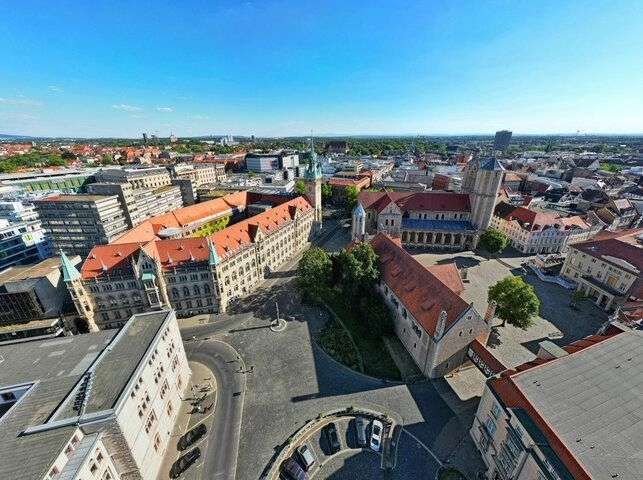
Why Study in Germany? 🇩🇪
- 🎓Germany offers affordable or tuition-free education at top public universities.
- 🌍Globally recognized degrees give you a competitive edge in the job market.
- 🔬Strong focus on research and innovation, especially in STEM fields.
- 💼Part-time work opportunities for students to earn while they learn.
- 🎭Rich cultural heritage and vibrant student communities.
- 📈High employment rate for graduates from German institutions.
- 🚀Post-study work visa options to build your career in Germany.
- 🤝Opportunities to network with students and professionals from around the world.
- 🏆Access to world-class research facilities and labs.
- 🌟Safe and student-friendly environment with high quality of life.
Top Universities in Germany 🎓
- 🏛️Humboldt University of Berlin – known for humanities and social sciences.
- 📚Ludwig Maximilian University of Munich – offers diverse programs and research facilities.
- 🔬Technical University of Munich – top choice for engineering and technology studies.
- 🌍Heidelberg University – one of Europe’s oldest and most respected universities.
- 💡RWTH Aachen University – leading institution for innovation and industry collaboration.
- 📈University of Freiburg – excellence in environmental sciences and sustainability.
- 🏆University of Mannheim – renowned for economics and business studies.
- 🤝University of Hamburg – strong connections with global research networks.
- 🎯Free University of Berlin – focus on political science and international relations.
- 🚀Karlsruhe Institute of Technology – pioneers in engineering and computer science.
Cost of Studying in Germany 💰
- 🏛️Public universities: €0–€500 per semester for most courses.
- 📚Private universities: €5,000–€20,000 per year depending on the program.
- 🏠Accommodation: €300–€700 per month, depending on location.
- 🍽️Food and groceries: €150–€250 per month on average.
- 🚆Transportation: €30–€80 per month with student discounts.
- 💻Study materials: €20–€50 per month for books and supplies.
- 🏥Health insurance: around €110 per month for students under 30.
- 🎯Entertainment and leisure: €50–€100 per month.
- 💡Overall annual cost: approximately €8,000–€12,000.
- 🌟Germany remains one of the most affordable destinations for quality education.
Cost of Living in Germany 🏠
- 🏠Accommodation: €300–€700 per month depending on city and housing type.
- 🍽️Food & groceries: €150–€250 per month, cheaper if cooking at home.
- 🚆Transportation: €30–€80 per month for public transit with student passes.
- 💡Utilities & internet: €100–€200 per month for electricity, heating, and Wi-Fi.
- 🎯Leisure & entertainment: €50–€100 per month for movies, events, and outings.
- 🏥Health insurance: mandatory for all students, averaging €110 per month.
- 📚Books & supplies: €20–€50 per month depending on course.
- 🛒Shopping and personal expenses: €30–€60 per month.
- 📅Annual living cost ranges from €8,000 to €11,000.
- 🌟Living expenses are manageable with part-time work opportunities.
Visa Requirements for Germany 🛂
- 📄Valid passport with sufficient validity period.
- 🎓Official letter of admission from a recognized German university.
- 💵Proof of financial resources – around €11,208 per year in a blocked account.
- 🏥Health insurance valid for the entire duration of your stay.
- 🗓️Application should be made at least 3 months before the course starts.
- ⏳Visa processing time can take 4–12 weeks depending on embassy workload.
- 📋Completed visa application form and biometric photos.
- 🛡️Proof of accommodation in Germany.
- 🗣️Language proficiency certificate if required for the program.
- 🌟All documents must meet embassy requirements for study in Germany.
Scholarship Opportunities in Germany 🎓
- 💡DAAD Scholarships – Germany’s largest funding organization for international students.
- 🏛️Erasmus+ Program – grants for exchange students in Europe.
- 🎯Deutschlandstipendium – merit-based scholarships from the German government.
- 📚Heinrich Böll Foundation Scholarships – for students committed to social issues.
- 🌍Konrad-Adenauer-Stiftung Scholarships – leadership and academic excellence funding.
- 📅Application deadlines vary depending on the scholarship program.
- 💼Some scholarships cover tuition fees, living expenses, and travel costs.
- 🎓Available for both undergraduate and postgraduate programs.
- 🌟Scholarships make study in Germany even more affordable.
- ✅Many universities offer their own funding opportunities for deserving students.
Application Process for Germany 📄
- 🔍Research universities and programs that fit your career goals.
- 🗓️Check the application deadlines for each institution.
- 📑Prepare transcripts, language certificates, passport, and CV.
- ✉️Apply directly through the university portal or via Uni-Assist.
- ✅Ensure you meet all entry requirements before applying.
- 💡Write a strong statement of purpose highlighting your motivation.
- 📋Upload scanned copies of all required documents.
- 📅Wait for the offer letter from your chosen university.
- 🖋️Accept the offer and pay any required administrative fees.
- 🌟Begin preparing for your visa application after acceptance.
Post-Study Work Opportunities in Germany 💼
- ⏳Graduates can apply for an 18-month residence permit to find a job.
- 🏢High demand for skilled professionals in engineering, IT, and healthcare.
- 🌍Employers value international graduates from study in Germany programs.
- 📈Many graduates secure full-time positions within the first year.
- 💼Work experience in Germany boosts global career prospects.
- 📋Networking with professionals increases job opportunities.
- 📅Start job applications before graduation for faster placement.
- 📌Jobs may require proficiency in German for certain positions.
- 🏆Germany offers a clear path to permanent residency after employment.
- 🌟Graduates often enjoy higher salaries and job stability.
Permanent Residency Pathways in Germany 🏠
- 📅Typically available after 2–4 years of skilled employment in Germany.
- 🎓Graduates from German universities may qualify sooner.
- 💼Secure a full-time job in your field with a competitive salary.
- 🗣️German language proficiency (B1 or higher) is often required.
- 🌍Permanent residency allows you to live and work in Germany without restrictions.
- ✅PR holders have access to social security and health benefits.
- 📋Maintain a clean legal record to qualify for PR.
- 🏛️Applicants must prove financial stability and secure housing.
- 📌Family members can often join you once PR is granted.
- 🌟PR is a major step towards obtaining German citizenship.
Pros and Cons of Studying in Germany ⚖️
- ✅Pro: Affordable tuition or tuition-free education.
- ✅Pro: High-quality education with global recognition.
- ✅Pro: Opportunities to work while studying.
- ✅Pro: Rich cultural experiences and networking opportunities.
- ⚠️Con: Some courses have limited English-taught options.
- ⚠️Con: Bureaucratic processes can be time-consuming.
- ⚠️Con: Adapting to cultural differences can take time.
- ⚠️Con: Housing shortages in popular student cities.
- ⚠️Con: Winters can be long and cold for some students.
- 🌟Overall, the pros outweigh the cons for most students.
Extracurricular Activities and Student Life in Germany 🎯
- 🎭Join cultural clubs, music groups, and art societies alongside your academic opportunities in Germany.
- ⚽Participate in university sports teams and fitness programs.
- 🤝Engage in student organizations and volunteer activities.
- 🌍Attend international student meetups to build a global network.
- 🎉Enjoy local festivals, cultural events, and city tours.
- 🎶Participate in campus talent shows, debates, and competitions.
- 📚Attend guest lectures and workshops outside your regular classes.
- 🧳Join student trips to explore different regions of Germany.
- 💡Enhance soft skills through leadership roles in clubs.
- 🌟Student life in Germany is a mix of academics and vibrant social engagement.
Intakes and Deadlines in Germany 📅
- 🎓Winter Intake: Starts in September/October – most popular for those who want to Higher Education in Germany.
- 📖Summer Intake: Starts in March/April – available for selected programs.
- 🗓️Application deadlines are usually 6–9 months before the start date.
- 📝Prepare documents early to avoid last-minute issues.
- 📌Always check specific university websites for exact dates.
- 💡Some programs have rolling admissions for international students.
- ✅Plan early to secure your desired intake slot.
- 📋Apply for scholarships during the same timeline.
- 🌍Deadlines may differ for EU and non-EU applicants.
- 🏆Meeting deadlines increases your chances of admission and funding.
Student Accommodation Options in Germany 🏠
- 🏢Student dormitories – most affordable option for those who plan to study abroad in Germany.
- 🏡Shared apartments (WG) – popular choice among local and international students.
- 🏠Private rentals – more privacy but higher costs.
- 💡Apply early, as affordable housing fills up quickly.
- 📍Choose accommodation close to campus for convenience.
- 🛋️Fully furnished options are available but may cost more.
- 📅Leases usually require a security deposit.
- 📜Read rental agreements carefully before signing.
- 🚆Proximity to public transport can save you money and time.
- 🌟Living with other students enhances your social life and network.
Part-Time Work Opportunities for Students 💼
- 🛒Work in cafes, restaurants, or retail stores during your Universities in Germany.
- 💻On-campus jobs such as library assistant or research support.
- 🗣️Language tutoring for English or other languages.
- 📅Students can work up to 120 full days or 240 half days per year.
- 📈Part-time jobs help cover living expenses and build experience while you study in Germany.
- 📍Jobs are available in both urban and suburban areas.
- 💡Knowledge of German increases job opportunities.
- 🎯Work experience can improve your resume and career prospects.
- 🌍Some jobs allow flexible hours to fit around studies.
- ✅International students must follow work hour regulations set by the government.
Cultural Experience and Lifestyle in Germany 🎭
- 🎉Experience traditional festivals like Oktoberfest while pursuing German university programs.
- 🍽️Enjoy diverse cuisines from all over the world.
- 🎶Attend music concerts, theatre performances, and art exhibitions.
- 🌍Travel easily to other European countries during holidays.
- 🤝Meet people from different cultures and backgrounds.
- 📚Learn German customs, etiquette, and traditions.
- 🏛️Visit historical monuments and museums.
- 🚴Enjoy cycling and outdoor activities in scenic areas.
- 📅Participate in seasonal events and markets year-round.
- 🌟Cultural immersion enriches both academic and personal growth.
Admission Timeline for German Universities 📅
- 🧭Start shortlisting universities 9–12 months before you plan higher studies in Germany.
- 📚Collect transcripts and syllabi early to avoid delays for admission in German Universities.
- 🗣️Book language tests (IELTS/TOEFL or TestDaF/DSH) well in advance for Education in Germany.
- 🗓️Submit applications 6–9 months before intake to join German Colleges without rush.
- 📨Track university portals and emails regularly during your Germany admission process.
- ✅Accept the offer and confirm your seat promptly for smooth admission in Germany.
- 💶Arrange funds/blocked account 3–4 months before you begin higher education in Germany.
- 🛂Book your visa appointment as soon as admissible for German Universities timelines.
- ✈️Plan travel + temporary stay 2–3 weeks before your Education in Germany begins.
- 🗺️Attend orientation week to settle faster as an international student in Germany.
Document Checklist for Education in Germany 📂
- 🪪Valid passport with enough validity for German Universities admission.
- 🎓Academic transcripts/degree certificates required for Education in Germany.
- 📄Offer/Admission letter from a German college or university.
- 💬Language certificates as needed for German Universities.
- 💶Proof of funds/blocked account mandated for higher studies in Germany.
- 🏥Health insurance proof essential for international students in Germany.
- 📑Updated CV and SOP tailored for German Universities admission.
- 🖼️Biometric photos per embassy specs for student visa in Germany.
- 🏠Accommodation proof (temporary/long-term) for Education in Germany.
- 🛂Visa application form + appointment confirmation for German Colleges.
Accommodation Tips for International Students in Germany 🏠
- 🏢Apply early for dorms—most budget-friendly for German Universities students.
- 🏘️Consider WGs (shared flats) to save costs during Education in Germany.
- 🚆Pick places near transit lines for easy commute while studying in Germany.
- 🗂️Prepare a rental file (ID, funds, admission) for smooth housing in Germany.
- 🔎Use verified platforms and avoid cash upfront when renting in Germany.
- 💡Check warm/cold rent inclusions to budget better in German cities.
- 📸Do a move-in photo inventory to protect deposits during your stay in Germany.
- 📜Read notice period/utility clauses carefully before finalizing German accommodation.
- 📍Register address (Anmeldung) on time as per German rules.
- 🤝Leverage student groups/alumni to find rooms in Germany.
Part-Time Work Rules for Students in Germany 💼
- ⏱️Work up to 120 full or 240 half days yearly during Education in Germany.
- 🏫On-campus roles (library, research) are flexible for German Universities students.
- 🛒Retail/café shifts suit beginners studying in Germany.
- 🗣️Basic German boosts job options while pursuing higher studies in Germany.
- 📄Keep payslips/tax ID organized while working part-time in Germany.
- 💶Know mini-job limits to manage taxes as a student in Germany.
- 📅Prioritize classes—balance hours while studying at German Colleges.
- 🧑💻Freelance rules vary—verify eligibility before working in Germany.
- 🔗Internships can convert to full-time after Education in Germany.
- 📈Use career services/job fairs provided by German Universities.
Post-Study Work & PR in Germany 🛂
- ⏳Apply for an 18-month job-seeker permit once you graduate.
- 🏢Target roles aligned to your degree to maximize outcomes.
- 💼EU Blue Card may be an option with a qualifying salary.
- 🗣️German proficiency strengthens applications after graduation.
- 📊Keep contracts/payslips for PR proofs after studies.
- 🏠Stable housing and insurance matter for permanent residency.
- 📅Track residence timelines to file PR on time.
- 🔎Verify latest rules on official immigration sites.
- 🤝Use alumni networks and referrals to build careers.
- 🌟Clear documentation speeds permanent residency process.
Official Resources for Education in Germany
Useful external references to plan your application, visa, and scholarships.
Subscribe for Study Germany Updates
Get important study tips, visa alerts & checklist updates directly in your inbox.
Thank you!
You have successfully joined our subscriber list.
Table of Contents
Toggle