How to Start Studying Abroad: Complete Step-by-Step Guide
Plan your international education journey with clarity and confidence.
From choosing a country to getting your student visa — everything explained simply.
Start Your Study Abroad Journey
So, You Want to Study Abroad? Let’s Start the Right Way
How to Start Studying Abroad is one of the most common questions students ask when planning their international education journey. If you're thinking about studying in another country but don’t know where to begin, trust me — that feeling is completely normal. Almost every student feels overwhelmed in the beginning. There are so many countries, courses, exams, and visa steps that it’s easy to feel stuck. That’s exactly why understanding How to Start Studying Abroad the right way can save you months of confusion and stress.
Many students believe they need an agent to guide them from day one, but the truth is, you can plan your study abroad journey yourself if you follow a clear roadmap. Once you know the basic steps — choosing a country, selecting a course, preparing for exams, and planning your finances — everything starts to make sense. When you clearly understand How to Start Studying Abroad, you move from feeling confused to feeling confident, and that’s when real progress begins.
In this guide, I’ll walk you through each stage in a simple, practical way. Imagine this as a conversation between you and someone who has already researched the entire process. No complicated jargon, no unnecessary steps — just a clear path showing you what to do first, what to do next, and how to avoid common mistakes along the way.
Whether your dream is to study in Canada, the UK, Australia, the USA, or any other popular destination, the starting steps are mostly the same. The key is to start early, stay organized, and follow a structured plan instead of random advice from different sources online. Following a proper plan for How to Start Studying Abroad will help you make smarter decisions at every stage.
By the end of this page, you’ll clearly understand How to Start Studying Abroad and what your next action should be. So take a moment, get excited about your future, and let’s move step by step toward turning your study abroad dream into a real plan.

Step 1: Choose the Right Country and Course for You
The first real step in understanding How to Start Studying Abroad is choosing the right country and course. This decision shapes everything that comes next — your budget, visa process, job opportunities, and long-term career plans. Many students make the mistake of simply following friends or trends, but the smarter approach is to match the country with your goals and finances. When you clearly know How to Start Studying Abroad, you begin with research instead of random decisions.
Start by asking yourself a few honest questions. What subject do you want to study? What is your budget range? Do you want part-time work opportunities? Are you planning to stay abroad after graduation or return home? Your answers will quickly narrow down the best destinations for you. For example, Canada and Australia are popular for work opportunities, while Germany and some European countries are known for affordable education. This clarity is essential when figuring out How to Start Studying Abroad in a practical way.
Once you shortlist 2–3 countries, the next step is to research universities and courses. Look at tuition fees, course duration, intake months, and job prospects after graduation. Always check the official university websites instead of relying only on random internet advice. Following reliable information sources makes your journey smoother when learning How to Start Studying Abroad.
Another important factor is eligibility. Some courses require specific academic backgrounds or entrance exams. Make sure your previous education matches the course requirements before finalizing your choice. This avoids last-minute surprises during the application stage and keeps your planning realistic from the beginning.
If you're serious about understanding How to Start Studying Abroad, don’t rush this step. Take a few days to compare options carefully. Once your country and course are finalized, the rest of the process becomes much easier and more structured.

Step 2: Plan Your Budget Before Anything Else
One of the biggest mistakes students make when learning How to Start Studying Abroad is ignoring financial planning in the beginning. They choose a country first and worry about money later. The smart approach is the opposite — understand your budget first, then choose the destination that fits it. This single decision can save you from stress, loan pressure, and last-minute changes. When you truly understand How to Start Studying Abroad, you start by checking your finances before making big decisions.
Start by calculating the full cost, not just tuition fees. Your total budget should include tuition, accommodation, food, health insurance, visa fees, flights, and daily living expenses. Many students only look at university fees and forget about living costs, which can be a major expense in countries like the UK, USA, or Australia. Always check official university websites and student forums to get realistic numbers instead of guessing. This clarity makes the process of How to Start Studying Abroad much more practical and stress-free.
Next, decide how you will fund your education. Will it be family savings, an education loan, a scholarship, or a combination of all three? If you're planning to take a loan, research interest rates and repayment options early. If scholarships are your goal, note the deadlines because most scholarships close months before the course begins. Planning this in advance makes your journey much smoother and keeps your progress steady.
Another smart step is comparing countries based on return on investment. Some countries may look expensive but offer strong job opportunities after graduation. Others may be cheaper but have limited work options. Think long-term — not just about studying, but about your career after graduation. A clear financial plan gives you confidence and keeps your decisions practical instead of emotional when figuring out How to Start Studying Abroad.
If you're serious about understanding How to Start Studying Abroad, treat budgeting as your foundation. Once you know what you can afford and how you’ll manage expenses, every next step — choosing universities, applying, and preparing for your visa — becomes far more organized and stress-free.
Step 3: Prepare for IELTS or Required Entrance Exams
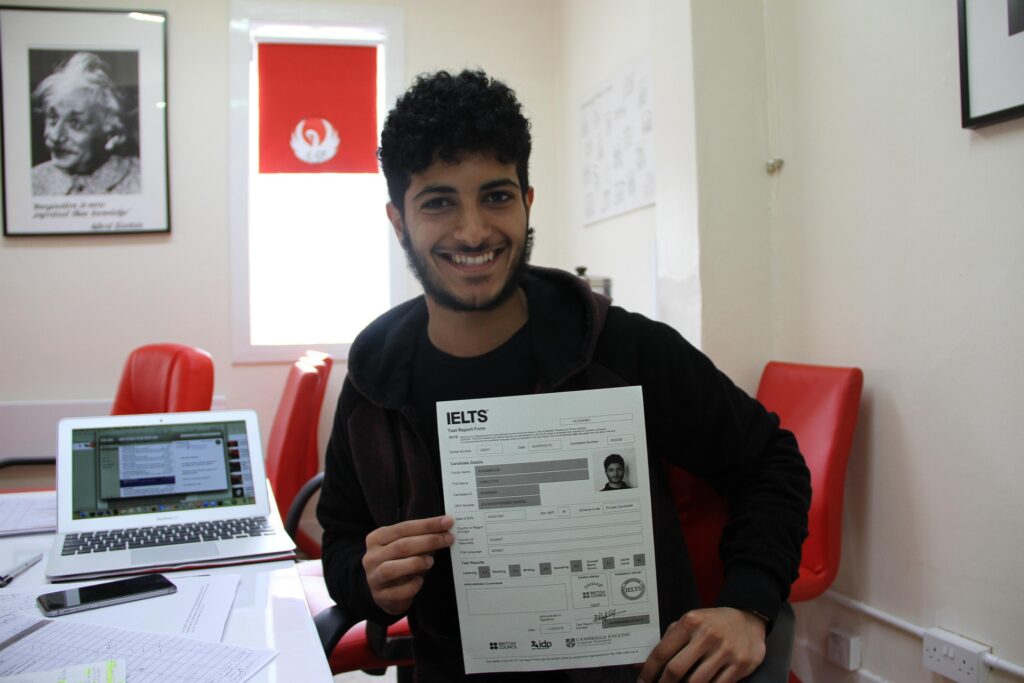
After choosing your country and planning your budget, the next major step in learning How to Start Studying Abroad is preparing for the required exams. For most English-speaking countries like Canada, the UK, Australia, and the USA, you’ll need to prove your English proficiency through tests such as IELTS, TOEFL, or PTE. These scores are not just a formality — they directly affect your university admission and sometimes even your visa approval.
Start by checking the exact score requirements of the universities you’re targeting. Each course and university can have slightly different minimum scores. For example, some universities may accept an overall IELTS score of 6.0, while competitive programs may require 6.5 or 7.0. Knowing your target score early helps you prepare with a clear goal instead of studying blindly.
Give yourself enough preparation time. Most students need 6–10 weeks of focused study to improve their English test scores. Create a simple weekly plan covering reading, writing, listening, and speaking practice. Use official practice materials and mock tests to track your progress. Consistency matters more than studying for long hours on random days.
Some courses may also require additional exams like GRE, GMAT, or SAT, especially for postgraduate or specialized programs. Always confirm exam requirements on the official university website before booking any test. Taking the right exam at the right time prevents delays in your application process.
If you're serious about understanding How to Start Studying Abroad, treat exam preparation as a priority step rather than a last-minute task. Once your test scores are ready, you can confidently move forward with university applications, knowing you meet the academic and language requirements.

Step 4: Shortlist Universities and Start Your Applications
Once your budget is clear and your exam preparation is underway, the next practical step in How to Start Studying Abroad is shortlisting universities and courses. This is where your planning starts turning into real action. Instead of applying randomly to many universities, focus on choosing 5–8 strong options that match your academic profile, budget, and career goals.
Start by creating a simple shortlist: dream universities, realistic choices, and safe options. Check course curriculum, tuition fees, location, internship opportunities, and graduate job outcomes. Always rely on official university websites for accurate details instead of depending only on social media or agents.
After shortlisting, prepare your documents carefully. Most universities will ask for academic transcripts, English test scores, a Statement of Purpose (SOP), letters of recommendation, and a resume. Take your time writing a strong SOP because it plays a big role in your admission chances. A clear, honest, and well-structured SOP can make your application stand out.
Keep track of deadlines. Many universities have different intake months and application closing dates. Missing a deadline can delay your plan by an entire semester, so it’s smart to create a simple checklist or spreadsheet to track each application.
If you truly want to master How to Start Studying Abroad, stay organized during this stage. Once your applications are submitted and offers start arriving, you’ll move to the next exciting step — confirming your admission and preparing for the student visa.

Step 5: Receive Your Offer Letter and Confirm Admission
After submitting your applications, the next step in How to Start Studying Abroad is waiting for university responses. This is usually the most exciting stage because this is where your planning starts turning into reality. Universities will review your documents and send either a conditional or unconditional offer letter based on your profile.
A conditional offer means you still need to meet certain requirements, such as final exam results or an updated English test score. An unconditional offer means you’ve met all requirements and can proceed directly to the next step. Once you receive multiple offers, compare them carefully instead of accepting the first one. Look at tuition fees, scholarships, location, internship opportunities, and post-study work options before making your final decision.
After selecting your university, you’ll usually need to confirm your seat by paying a deposit. This confirms your admission and allows the university to issue documents required for your visa process, such as the CAS letter (UK), Letter of Acceptance (Canada), or Confirmation of Enrollment (Australia). Keep all payment receipts and documents safely stored because you’ll need them later.
This is also a good time to arrange accommodation and start preparing your financial documents. Some universities offer student housing, while others require you to book accommodation separately. Planning this early helps you avoid last-minute stress before departure.
If you’re seriously following How to Start Studying Abroad, this stage confirms that you’re officially on your way. Once your admission is secured, the final major step is preparing and applying for your student visa — the last gateway before your international journey begins.

Step 6: Apply for Your Student Visa Carefully
This is the step where your entire study abroad plan becomes official. After confirming your admission, the next critical part of How to Start Studying Abroad is applying for your student visa. Every country has its own visa rules, but the basic process remains similar: show proof of admission, financial support, and genuine intent to study.
Start by collecting all required documents. These usually include your offer letter, passport, financial proof, bank statements, education documents, English test scores, and visa application forms. Some countries may also require a medical test or biometric appointment. Double-check the official immigration website of your destination country to avoid mistakes.
Financial proof is one of the most important parts of the visa process. You must show that you can pay tuition fees and living expenses for at least the first year. Prepare bank statements, loan approval letters, or sponsor documents carefully. Even small errors in documents can delay visa approval, so review everything calmly before submission.
Book your visa appointment early because slots can fill quickly during peak intake seasons. During the interview or document review, stay confident and honest. Most visa refusals happen due to incomplete documents or unclear financial proof — not because of low grades.
If you truly understand How to Start Studying Abroad, this stage is simply about careful preparation. Once your visa is approved, you’re almost ready to fly. The final step is preparing for departure, booking flights, and getting ready for your new life abroad.

Step 7: Prepare for Departure and Your New Life Abroad
Once your visa is approved, your study abroad journey finally feels real. The last stage in How to Start Studying Abroad is preparing for departure and making sure everything is ready before you fly. This step is often overlooked, but proper preparation here makes your transition to a new country smooth and stress-free.
Start by booking your flight early and confirming your accommodation. Whether you're staying in university housing or private accommodation, make sure you have the address, contact details, and move-in date confirmed. Keep all important documents printed and stored in a folder — passport, visa, admission letter, fee receipts, and accommodation details.
Prepare a basic budget for your first month abroad. Carry some local currency, set up an international debit or forex card, and plan how you’ll manage daily expenses until you open a bank account there. It’s also helpful to join student groups or forums for your university so you can connect with other students before arriving.
Pack smart instead of packing heavy. Carry essential clothes, academic documents, and important electronics. Avoid overpacking because most things can be purchased after arrival. Also, learn basic information about the city you’re moving to — transport, weather, and emergency contacts.
If you’ve followed each step of How to Start Studying Abroad, you’re now fully prepared. From planning and applications to visa and travel, you’ve completed the entire journey step by step. All that’s left now is to step on the plane and begin one of the most exciting chapters of your life.

Important Note: Create a Realistic Study Abroad Timeline
One of the smartest things you can do while learning How to Start Studying Abroad is creating a clear timeline. Many students delay their preparation and then rush everything in the last few months. A simple 8–12 month timeline keeps your process calm, organized, and much more successful.
Ideally, start planning at least one year before your intended intake. The first 2–3 months should be used for research — choosing countries, courses, and universities. The next months should focus on exam preparation, applications, and visa preparation.
Students who follow a structured timeline usually get better university options, less stress, and smoother visa approvals. If you truly understand How to Start Studying Abroad, starting early and staying organized makes the biggest difference.
🎯 Study Abroad Timeline & Planning Kit
Want a ready-to-use timeline, checklist, and planning system? Download the exact step-by-step planner students use to stay organized and avoid mistakes.
Download Planning Kit
Conclusion: Start Your Study Abroad Journey with Confidence
By now, you have a complete understanding of How to Start Studying Abroad. What once seemed confusing should now feel structured and practical. When you break the process into clear steps — choosing a country, planning finances, preparing for exams, applying to universities, and securing your visa — the journey becomes far less overwhelming and much more achievable.
The most important thing to remember is that starting early gives you an advantage. Students who plan ahead usually get better university options, smoother visa approvals, and less stress overall. Even if you’re just at the research stage today, taking small steps consistently will move you forward faster than waiting for the “perfect” moment.
Studying abroad is not just about earning a degree in another country. It’s about building independence, gaining global exposure, and creating long-term career opportunities. With the right mindset and a clear roadmap, this goal is completely achievable.
If this guide helped you understand How to Start Studying Abroad, take the next step by turning your plan into action. Stay organized, keep researching, and move forward one step at a time. Your study abroad journey begins the moment you decide to start planning seriously.
Official Study Abroad Resources
- Check IELTS exam details on the official website: IELTS Official Website
- Explore Canada student visa requirements: Canada Immigration Website
- Find UK student visa guidance: UK Government Student Visa
- Explore USA study visa process: USA Student Visa Guide
- Compare global universities rankings: QS World University Rankings

Frequently Asked Questions About Studying Abroad
1. How early should I start planning to study abroad?
Ideally, you should start planning at least 8–12 months before your intended intake. This gives you enough time for research, exam preparation, university applications, and visa processing. Starting early is one of the most important parts of How to Start Studying Abroad.
2. Which country is best for studying abroad?
The best country depends on your budget, course, and career goals. Popular options include Canada, the UK, Australia, the USA, and Germany. Compare tuition fees, job opportunities, and visa policies before deciding.
3. Is IELTS required for studying abroad?
Most English-speaking countries require IELTS, TOEFL, or PTE scores. However, some universities offer alternatives or waive the test based on previous education. Always check the official university requirements before applying.
4. How much money is needed to study abroad?
The total cost depends on the country and university. On average, students should plan for tuition fees plus living expenses for at least one year. Proper budgeting is a key step in understanding How to Start Studying Abroad.
5. Can I study abroad without an agent?
Yes, many students apply directly through university websites. With proper research and organization, you can complete the entire process yourself. This guide is designed to help you understand each step clearly.

Explore Detailed Country Guides
Now that you understand How to Start Studying Abroad, the next step is choosing your destination. Explore these detailed country guides to compare tuition fees, visa rules, job opportunities, and student life.

Related Study Abroad Guides
Continue exploring more helpful guides to plan your international education journey.

How To Start Studying Abroad: Complete Step-By-Step Guide 🎓
Planning to start studying abroad but confused where to begin? Follow our complete step-by-step guide to choose the right country, shortlist universities, understand visa requirements, and plan your budget before applying.
📥 Download Study Abroad Starter ChecklistOr explore detailed step-by-step country guides:
```
Subscribe for Study Abroad Updates
Get important study tips, visa alerts & checklist updates directly in your inbox.
Thank you!
You have successfully joined our subscriber list.
Table of Contents
Toggle